 Into The Music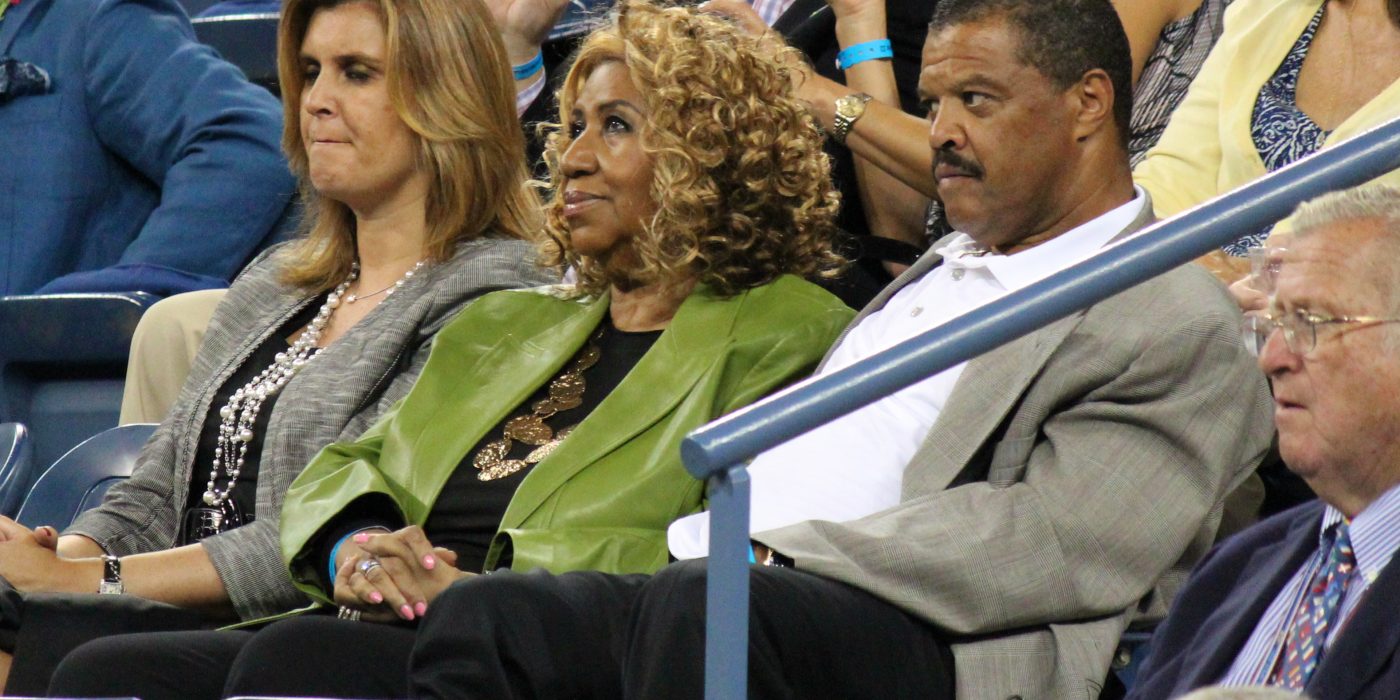
Soul music has a problem with its own name. The word “soul” gets used to describe everything from sixties Atlantic Records gospel-influenced R&B to nineties neo-soul to whatever a label marketing team decides needs to feel more authentic this quarter. The category has expanded to the point where it barely functions as a description anymore. And yet the music that earns the name, when it is earned, remains among the most direct and physically affecting music that exists. That tension is where soul has lived for sixty years.
The original definition is specific enough. Soul emerged from Black American church music meeting urban rhythm and blues in the late nineteen-fifties. The genre’s early geography matters: Memphis, Detroit, Chicago, Muscle Shoals. These were not random points on a map. They were places with specific recording infrastructure, specific pools of musicians, specific social conditions that shaped the emotional content of what was being recorded. Stax Records in Memphis operated with an integrated house band at a time when that arrangement was genuinely dangerous. The music coming out of those sessions carried that weight.
Aretha Franklin is the figure most people reach for first, and the reach is justified. Her 1967 recording of “Respect” at Atlantic is a complete argument for what soul can do. The original song was Otis Redding’s, a man asking for deference from a woman. Franklin’s version took the same melody and the same words and made them mean something entirely different. The transformation is not subtle. It is one of the clearest demonstrations in recorded music of how performance context changes meaning, and the track has earned every superlative thrown at it over fifty years.
What the soul tradition did for popular music more broadly is harder to summarize but harder to overstate. The vocal approach, singing as confession rather than performance, as communication of something true rather than demonstration of technical skill, became a standard against which almost everything in American popular music has been measured since. When people say a singer “has soul” they mean that quality, however much the phrase has been diluted. The benchmark comes from a specific place and a specific time.
The neo-soul movement of the nineties did something interesting with this inheritance. D’Angelo’s Brown Sugar in 1995, Erykah Badu’s Baduizm in 1997, and Lauryn Hill’s The Miseducation of Lauryn Hill in 1998 all engaged with the tradition deliberately, consciously placing themselves in conversation with it rather than simply inheriting it passively. The result was music that felt both historically grounded and genuinely contemporary, which is the hardest thing to pull off. These records do not sound like revivals. They sound like the tradition continuing through people who understood it.
Current soul sits in a more complicated position. The influence is so thoroughly absorbed into mainstream pop and R&B that the genre’s edges have blurred. Artists like Samara Cyn, whose recent work moves between soul and something more electronic in its production sensibility, or Leon Bridges, who operates closer to the vintage end while remaining unmistakably his own thing, represent different ways of handling the same inheritance. Neither approach is wrong. Both require the same thing that the genre has always required: something true to say and the commitment to say it without protection.
The problem with soul in 2026 is the same problem it has always had, which is that the name attracts people who want the aesthetic without the honesty. The genre’s most formal elements, the big arrangement, the church-rooted vocal runs, the melodic call and response, are reproducible by people who have none of the feeling behind them. The difference is audible. It is always audible. Soul music is genuinely hard to fake at the level that matters, which is both its limitation as a commercial category and its lasting value as a form.
The naming problem is real and the article is right to call it out. When “soul” stretches from Ray Charles to D’Angelo to whatever’s getting tagged neo-soul this week, you’re not describing a sound anymore , you’re describing a feeling people want to claim. Which is fine, I get it, but it makes actual analysis harder. Aretha and Frank Ocean are both genius. That doesn’t mean the same word does the same work for both.
Coming from a city pop background, I’ve thought about this kind of genre-label slippage a lot. Haruomi Hosono’s work from the late 70s gets called city pop now partly because it fits the aesthetic category retroactively , not because the musicians used the term. Soul seems to have the same quality: it coheres around feeling rather than form. That’s actually unusual in music labeling, which usually starts with sound. The fact that “soul” survives the definitional blur suggests it’s pointing at something real, even if no one can agree exactly what.
The naming problem has real downstream consequences for discoverability. On streaming platforms, “soul” as a genre tag is essentially meaningless at this point , the algorithm treats D’Angelo and a Sam Smith ballad as interchangeable because they both got tagged the same way by someone in metadata. Curators spend a lot of time rebuilding the distinctions that the label collapsed. It’s a taxonomy problem that the industry has never had any incentive to fix.