 Into The Music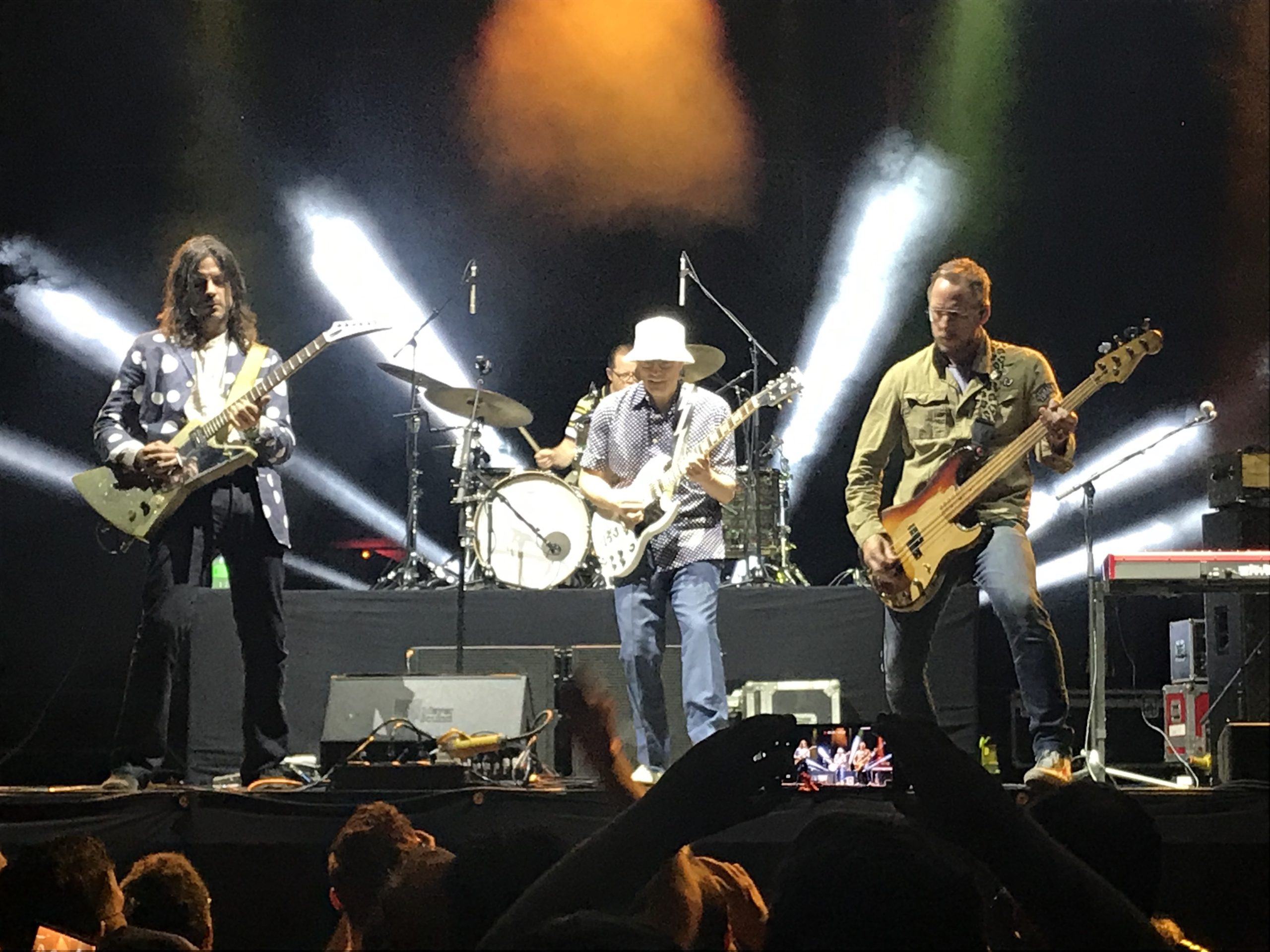
There is something genuinely strange about Weezer’s persistence. Most bands with their level of critical goodwill from the mid-1990s have either cashed out on nostalgia tours, broken up, or faded into the background noise of legacy rock radio. Weezer has done none of those things, exactly. They have written confusing album after confusing album, cultivated a fandom that behaves unlike any other in rock, and somehow kept reappearing at the center of conversations about what it means to be a great band that also makes questionable decisions.
The Venice Beach rooftop concert this past week, staged to kick off promotion for the upcoming Gathering tour, was very much a Weezer move. A handful of acoustic classics played on top of a bar, Beatles-style, with actual band members participating in a pickleball tournament the next day. The stunt was equal parts self-aware and earnest, which is the exact frequency Weezer has always occupied.
Rivers Cuomo formed Weezer in Los Angeles in 1992. The blue album arrived in 1994, produced by Ric Ocasek, and instantly became one of the definitive alternative rock records of its era. “Buddy Holly,” “Undone,” and “Say It Ain’t So” were not just hits. They were a new emotional register for guitar rock: nerdy, sincere, a little heartbroken, and completely unashamed of it.
The follow-up, Pinkerton, released in 1996, was a commercial disappointment and one of the most personal rock albums of that decade. Cuomo has described it as a mistake, a moment of overexposure. Fans treat it as a masterpiece. That tension between what the artist wanted and what listeners received has defined Weezer ever since.
The years between Pinkerton and their third album were followed by a long and erratic run of records ranging from solid to bewildering. The White Album from 2016 was a legitimate return to form. Pacific Daydream in 2017 less so. Van Weezer in 2021 embraced hard rock with a commitment that felt both absurd and appropriate. The SZNZ project, four EPs released across 2022 timed to the seasons, was the kind of thing only a band with nothing left to prove would attempt.
What makes Weezer interesting, beyond the catalogue, is the relationship between the band and its fans. The #WeezerCover movement, where fans online petitioned the band to cover Toto’s “Africa” until Weezer actually did it, is the most visible example. But it speaks to something deeper: Weezer’s audience has treated the band as a collaborative project for decades, a group you could argue with, push around, and still show up for every time a tour was announced.
The Gathering tour this fall, 32 dates with the Shins and Silversun Pickups as support, suggests the band is not slowing down. A new single, “Shine Again,” arrives April 1, previewing a new album. Whether it lands in the Pinkerton tier or the Pacific Daydream tier is almost beside the point. Weezer keeps going, keeps trying things, keeps generating the peculiar emotional investment that has followed them since a kid in thick glasses sang about a sweater unraveling and somehow made it feel like the most important thing in the world.