 Into The Music
Genres
Footwork: The Genre That Invented Itself for a Room and Then Escaped
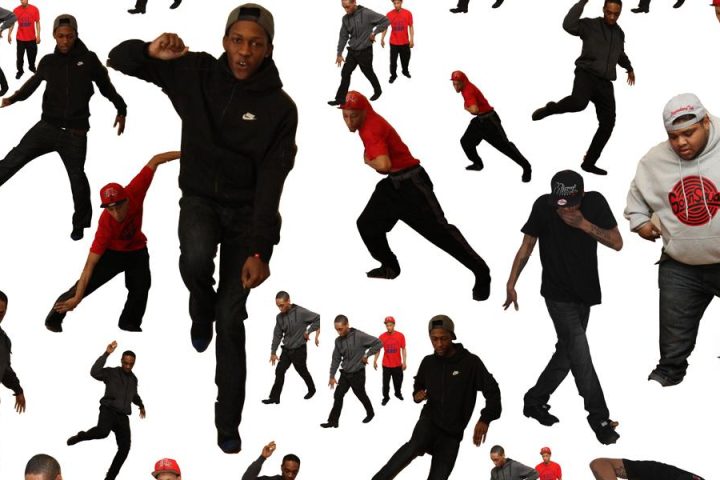
Footwork did not ask to be discovered. It emerged from Chicago’s South Side in the late 1990s as an evolution of ghetto house, built for battle: two dancers...
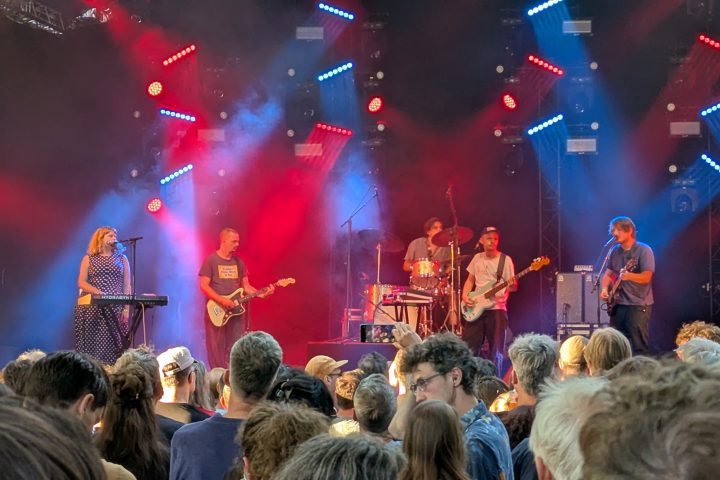
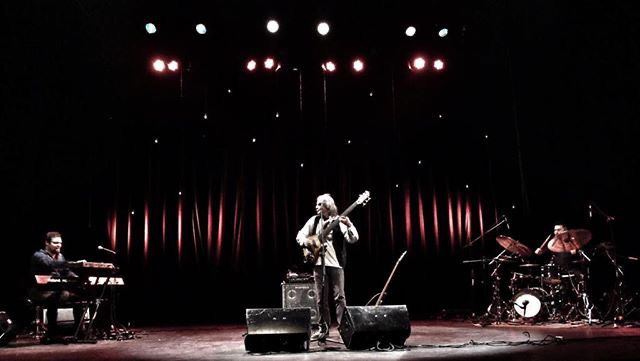
Won without asking , sure, but let’s be honest about what it displaced. The prog records I grew up on had actual compositional architecture, musicians who spent years developing technique. What “won” was a genre that, for a long stretch of its history, prided itself on not needing any of that. I’ll grant that the best electronic music has found its own kind of depth. But there’s a version of this story that’s really about convenience beating craft, and I’m not going to pretend otherwise.
What people often miss when they trace electronic music’s dominance is that the German motorik tradition , Neu!, Kraftwerk, Can , established the conceptual foundation decades before anyone was calling it a “win.” The repetition wasn’t laziness, it was philosophy. It asked the listener to dissolve into the pattern rather than follow a narrative. Once that idea entered the bloodstream of music production globally, the outcome was inevitable.
The framing of “winning without asking” resonates historically , the same could be said of gospel’s quiet infiltration of secular pop in the postwar years, which happened organically through communities that had no access to mainstream industry gatekeepers. Electronic music’s path is different structurally but shares that same quality of cultural diffusion happening below the radar of critics until it was simply too pervasive to ignore.