 Into The Music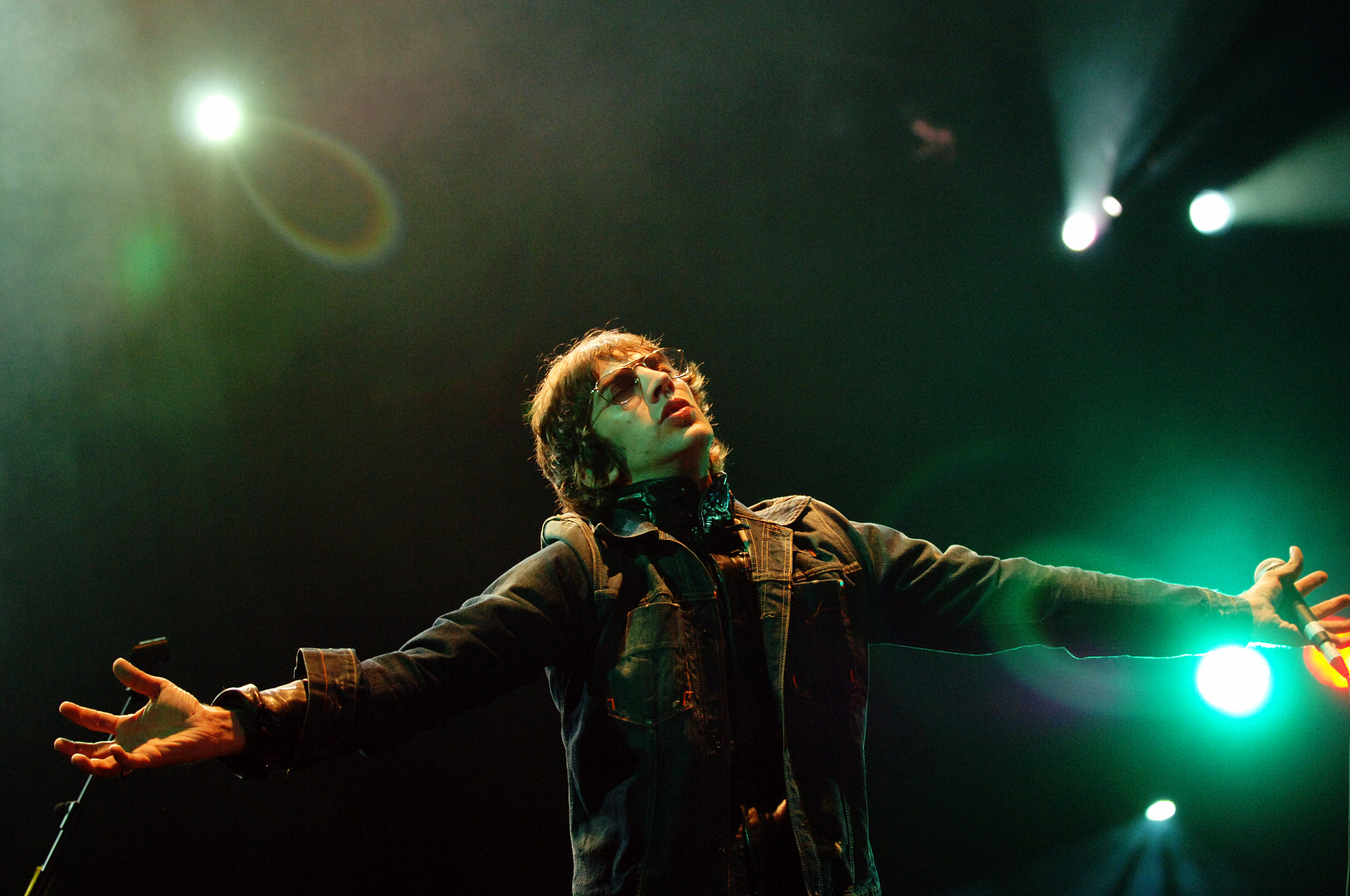
Richard Ashcroft has spent much of his post-Verve career being underestimated in a very specific way. People hear the Bitter Sweet Symphony story and reduce him to a footnote in a famous legal dispute, or they hear the solo albums and wonder why they are not as transcendent as the best moments of Urban Hymns. What they tend to miss is that Ashcroft is one of the few artists from that 1990s British rock peak who has maintained a genuine voice and a genuine commitment to what he does, even when the commercial results do not match the ambition.
He formed The Verve in Wigan in 1990, and by the time they released A Northern Soul in 1995, it was clear they were operating on a different frequency than most of their contemporaries. The Britpop moment surrounded them without quite capturing them. The Verve were stranger, more interested in texture and space, less interested in being charming. When they finally broke wide open with Urban Hymns in 1997, the record had an emotional scale that surprised everyone, including probably Ashcroft himself.
The Bitter Sweet Symphony situation, in which the Rolling Stones’ management successfully claimed the sample at the center of that song took too much from an Andrew Loog Oldham orchestral arrangement, has haunted his career ever since. It was resolved in 2019 when Mick Jagger and Keith Richards voluntarily returned the songwriting credits, but the story had already become bigger than the song. Ashcroft, to his credit, has never let it define how he talks about his own work.
His solo output runs to seven albums now, the most recent being Lovin’ You, released in October 2025. It is a record that sounds exactly like you would expect a Richard Ashcroft album to sound, which for his fans is a feature rather than a criticism. He has found a lane, and he works it with sincerity. The current UK tour in support of it, including a well-received show at the O2 in London, has reminded audiences that he can still fill a room with the kind of unironic rock conviction that has mostly gone out of fashion.
At the London show, he dedicated songs to Liam Gallagher, which is the kind of thing that happens when two people have circled each other in the British rock universe for decades. It was warm in a way that felt genuine rather than performed. That quality, the willingness to be sincere without camp or irony, is what has always set Ashcroft apart in a culture that defaults to cool detachment.
He is also, for what it is worth, someone who seems to have made his peace with the particular size of his audience. Not everyone gets to be the biggest name in a room. Ashcroft gets to be the most committed person in one, and at this point in his career, that might be the better deal.