 Into The Music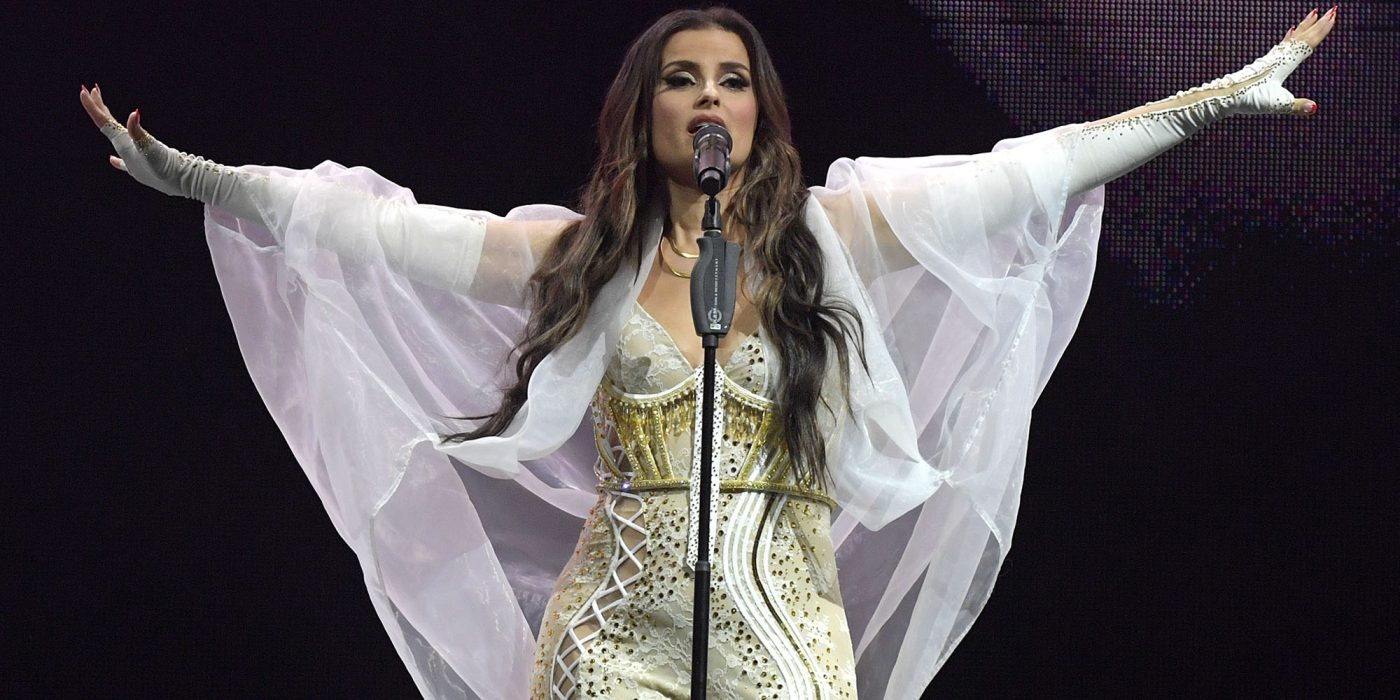
There is something genuinely strange about watching Drake return to the Juno Awards in 2026 after a fifteen-year absence, and that strangeness is the whole point.
The occasion was Nelly Furtado’s induction into the Canadian Music Hall of Fame. Drake delivered a video tribute, calling Furtado his “north star” and crediting her with shaping the template for what Canadian pop could sound like to the world. It was warm, well-composed, and notably generous. He also couldn’t resist referencing his infamous 2011 Junos snub, which still apparently lives somewhere in the back of his mind. Some wounds are small and permanent.
The tribute itself was substantial. Alessia Cara, Jully Black, Shawn Desman, and Tanya Tagaq all performed, with Lido Pimienta and Kardinal Offishall making appearances. Taken together, it was a rare opportunity to see the breadth of what Furtado touched, intentionally or not, just by having a career as large and formally strange as hers.
Furtado’s trajectory is genuinely unusual. She broke through in 2000 with “I’m Like a Bird,” a folk-pop song that didn’t fit cleanly anywhere, then pivoted to Timbaland-produced club music with “Loose” in 2006. That album shouldn’t have worked as well as it did. “Maneater” and “Say It Right” remain two of the tightest pop songs of the decade. Then she largely disappeared from the mainstream, resurfacing occasionally on her own terms. She has always seemed more interested in the next thing than in defending the last one.
Drake’s tribute works partly because the connection is real. Both of them are products of a specific Canadian experience of trying to reach an American-dominated industry from outside it. Both understood early that the path wasn’t imitation. The detail about the 2011 snub is revealing in its smallness. Drake has won essentially everything at this point, and yet the 2011 Junos is still apparently a thing he mentions when the door is open.
What the whole evening demonstrated is how much of Canadian pop music’s current credibility can be traced to a relatively small number of artists who decided, in consecutive decades, to be genuinely weird about what they were doing. Furtado was one of the first to do it loudly enough that it registered internationally. Drake built an entire genre out of that permission.
The Hall of Fame induction is overdue and correct. But the more interesting thing is what happens when Drake frames Furtado as a north star and not a peer. He’s acknowledging a lineage. That’s not something he does often, and when he does, it tends to mean something.

OK I only really knew Drake from recent stuff so I went down a rabbit hole after reading this and Nelly Furtado’s ‘Maneater’ absolutely SLAPS?? How did I not know about this?? And apparently she basically disappeared and then came back and people are just now remembering how good she was?? The Junos moment sounds incredible honestly. Canadian music has layers I did not know about.
The article is right that the strangeness of Drake returning after fifteen years is the whole point, and I’d push that further: the Junos have always been a slightly awkward institution for artists who’ve outgrown the Canadian context they came from. Drake acknowledging Nelly Furtado specifically is doing real cultural work , Furtado is one of those artists whose influence on the ’00s pop landscape was massive and then largely credited elsewhere. ‘Loose’ is a genuinely underrated album and her ability to move between folk, pop, and electronic production without losing herself is the kind of thing that gets called ‘versatile’ in a dismissive way but actually represents serious craft. Drake showing up to name that in 2026 is a meaningful gesture.