 Into The Music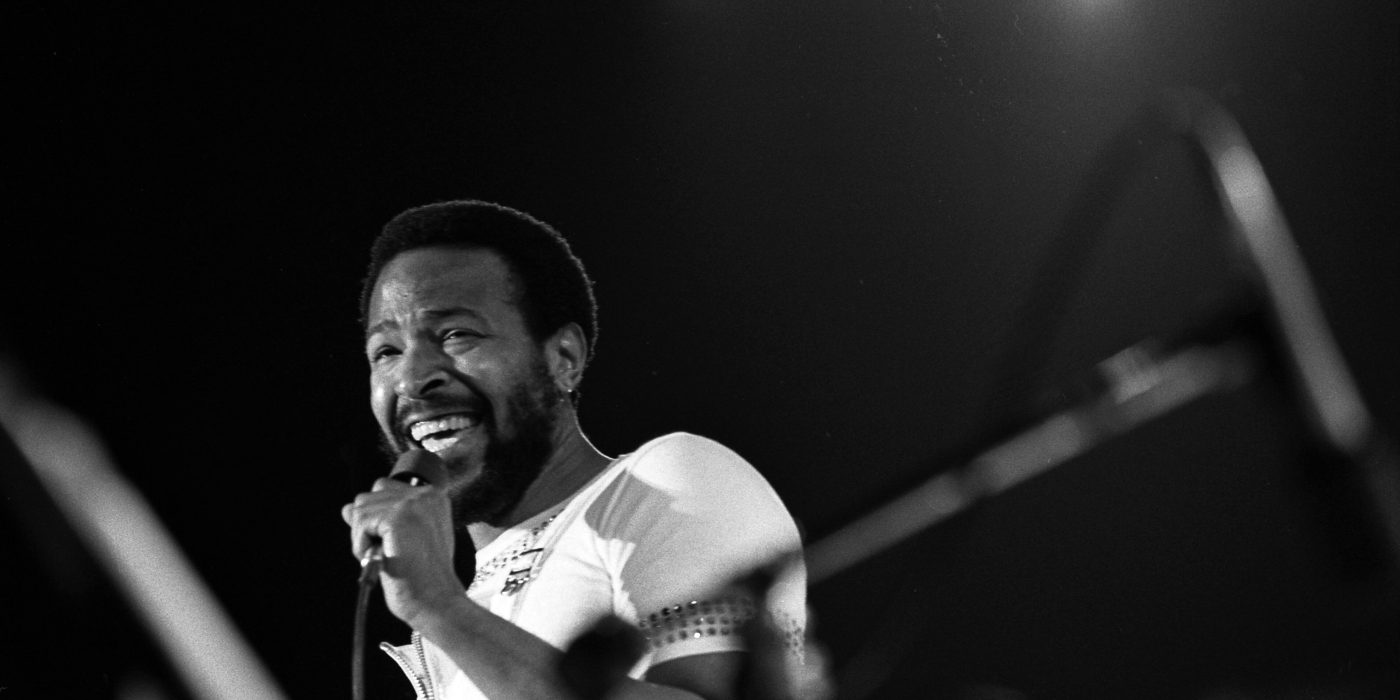
Soul music does not need a definition. It needs a listen. Put on Aretha Franklin’s “I Never Loved a Man the Way I Love You” from 1967, or Al Green’s “Let’s Stay Together,” or Sam Cooke singing “A Change Is Gonna Come,” and the definition arrives without any help from a music encyclopedia. Soul is the place where gospel and the blues finally agreed to share the same room, and what came out of that negotiation changed everything.
The genre emerged in the late 1950s and early 1960s at the intersection of Black church music and rhythm and blues. Ray Charles is the figure most often credited with making the synthesis explicit, taking the melismatic vocal runs of gospel and pointing them at secular subjects: love, loss, longing, and the ordinary transcendence of a body moving to a beat. The congregation that formed around that sound was enormous and immediate.
What distinguished soul from the pop of its era was not just the vocal technique, though the technique was extraordinary. It was the emotional directness. Soul singers did not describe feelings from a distance. They embodied them. When Otis Redding sang “Try a Little Tenderness,” the performance was not a simulation of anguish. It was anguish, channeled through a voice and a band so locked in that the room temperature changed.
Stax Records in Memphis and Motown in Detroit became the twin engines of the genre through the 1960s, with distinct approaches. Stax was rawer, dirtier, built on the interplay between the Memphis Horns and a rhythm section that played behind the beat in a way that made the groove feel almost inevitable. Motown was sleeker, aimed explicitly at crossover pop audiences, with production values that placed it closer to the mainstream without losing the essential qualities of soul.
The genre fractured and evolved through the 1970s. What became funk took the rhythmic elements and made them more prominent, displacing melody in favor of groove. What became quiet storm slowed the tempo and smoothed the edges for late-night radio. Philadelphia soul, pioneered by producers Kenny Gamble and Leon Huff, introduced orchestral arrangements that pushed the form toward something more lush and cinematic.
None of these evolutions abandoned the core commitment. Soul music has always been about feeling something all the way through. The trappings change, the tempo changes, the production language changes, but the insistence that the body and the voice tell the truth simultaneously is the constant.
Contemporary artists working in the soul tradition include Leon Bridges, who arrived in 2015 with “Coming Home” sounding like he had stepped out of a 1965 recording session, and Brittany Howard, whose “Jaime” album from 2019 showed what happens when you take soul’s emotional vocabulary and run it through rock, funk, and experimental structures without losing any of its directness. Anderson .Paak, before his collaboration with Bruno Mars as Silk Sonic, was making records that absorbed soul history without becoming museum pieces.
Soul music is not old-fashioned. It is foundational. Every genre that has come after it, in some way, has borrowed from it. The best pop music of any era has soul’s willingness to be nakedly felt somewhere in its bones. The worst pop music is what happens when the technique remains and the willingness to be felt disappears.
That is the standard soul set. It has not lowered since Ray Charles sat down at a piano and decided to tell the truth.
Soul is the one genre where the label actually means something. You can’t fake it , not for a whole record, not for a whole career. The excerpt mentions Aretha’s ‘I Never Loved a Man’ and that’s exactly the right place to start: a woman who sounds like she has lived everything she’s singing, recorded in a studio in Muscle Shoals with a band she’d never met before. That’s the thing about soul that other genres never quite crack , the best of it is unrepeatable. You can study the mechanics, hire the best session players, get the reverb right. But if it isn’t coming from somewhere real, the listener knows. Always has.