 Into The Music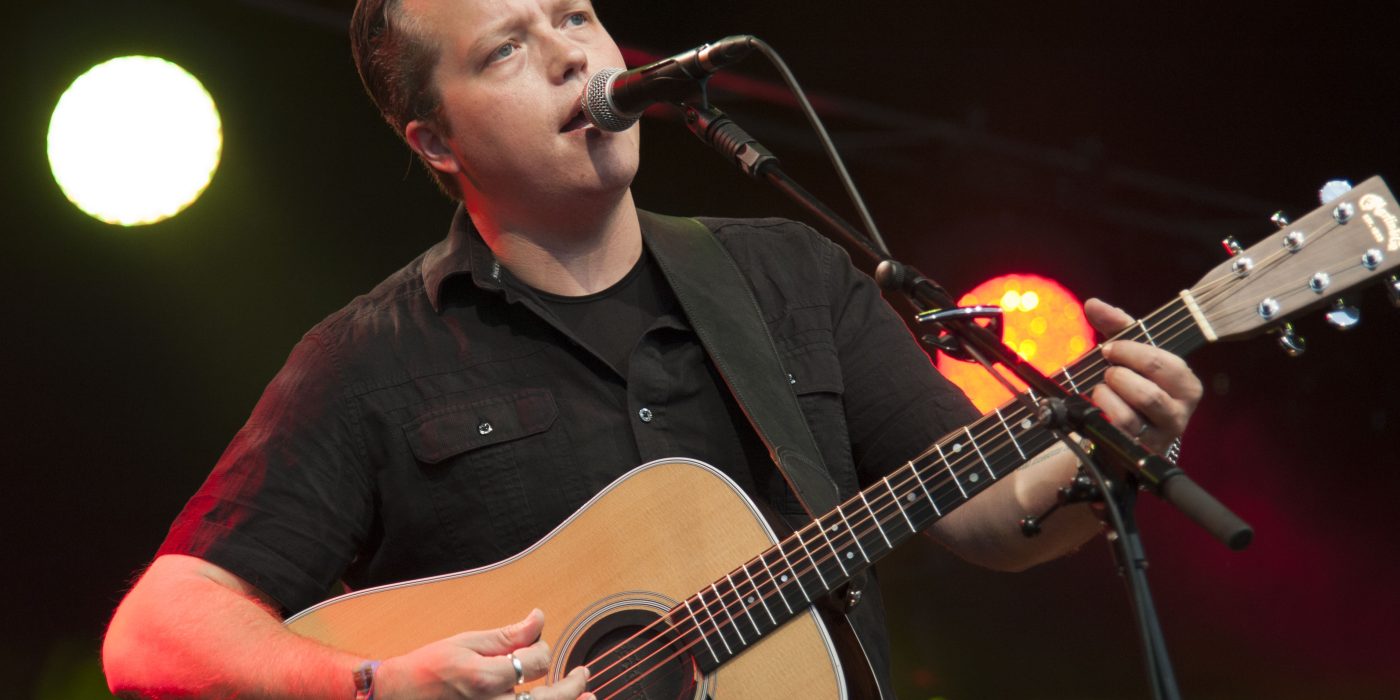
Country music has been having an identity crisis for so long that the crisis has become the identity. The debates about what qualifies as country, who belongs in it, what the mainstream version of it has done to the form, are not new. They have been running since at least the 1990s, when the pop-country crossover began in earnest and traditionalists started muttering about lost authenticity. By now, the argument is so established that even the people having it know it has been had before. That does not make it less real. It makes it more complicated.
What is undeniable about country music in 2026 is that it is one of the most commercially dominant forms of music in the United States, and that the genre it has become on radio and streaming is not exactly what any of its founding traditions would recognize. The lineage that runs from Jimmie Rodgers through Hank Williams through Merle Haggard and Loretta Lynn to early Dolly Parton is a lineage about working-class specificity, about songs that describe lives in detail, that locate themselves in particular places and particular griefs. The stadium country that currently dominates has kept the detail in some cases and lost the working-class honesty in others, replacing it with nostalgia for a version of rural American life that was always more complicated than the songs suggest.
This is where the Zach Bryan conversation that keeps happening is actually about something. The argument about Bryan is not really about him. It is about what country music is supposed to do. His success is evidence that audiences want more than the formula, that there is a market for the rawer, more lyrically specific version of the form. Whether he is delivering that version or a polished approximation of it is a genuine question without a clean answer.
Meanwhile, the Americana and roots-country scenes have been running their own parallel conversation for decades, sustaining artists like Jason Isbell, Margo Price, and Colter Wall who work in a more explicitly traditional vein and have built devoted audiences without needing mainstream country radio. The existence of this lane is not a failure of country music. It is country music doing what genres do when they get too big: splitting into mainstreams and subcultures, the subcultures preserving things the mainstreams let go.
The cross-genre contamination flows both ways now. Country elements have shown up in pop, hip-hop, and R&B in ways that would have been remarkable ten years ago and are now just Tuesday. Lil Nas X’s Old Town Road started a conversation that has not finished. Beyonce’s Cowboy Carter added another dimension to it, using the genre not as a costume but as a statement about whose heritage country music actually draws from. The response to both projects revealed anxieties in country’s audience and gatekeeping class that were always there but rarely so visible.
What country music has that most genres do not is a set of formal values that are legible and argued over: the three-chord structure, the storytelling priority, the emphasis on vocal character over vocal perfection, the geographic specificity, the subject matter centered on love, loss, work, and place. These values are not always honored in mainstream country. But they are still there as the standard the music is measured against, even when it falls short. That is unusual. Most pop genres have given up on formal values in favor of vibes. Country keeps arguing about what it is supposed to be, which is a form of caring that most music doesn’t bother with.
In 2026, country music is simultaneously more popular and more contested than it has ever been. That is not a contradiction. It is what happens when a form of music is robust enough to survive its own success while still being worth arguing about. The traditional stuff is alive and being made well by people who care about it. The pop-country crossover is producing records that move millions and records that are disposable, sometimes the same record. The Americana underground is thriving. The genre boundaries are softer than they have ever been and the arguments about them are louder than they have ever been.
That is a lot of things to be at once. Country music has been managing that for a century. It will probably keep managing it.