 Into The Music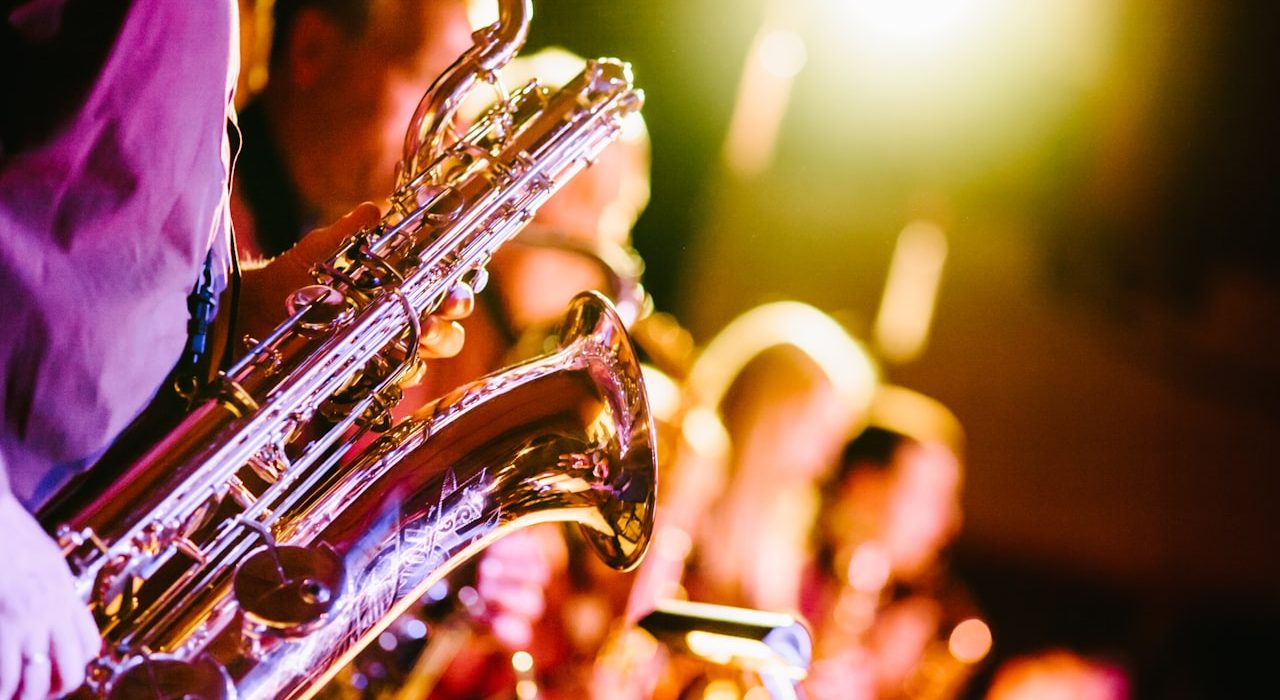
Jazz is one of the few genres in popular music that has successfully convinced people it requires a special kind of listening. That reputation has done it both good and harm. Good, because it creates a sense of occasion around the music. Harm, because it keeps people at arm’s length from something that, at its best, is the most direct record of human spontaneous thought that music has ever produced.
The genre emerged from New Orleans at the turn of the twentieth century, a collision of African American musical traditions, the European harmonic vocabulary imported through church music and brass bands, blues feeling, and the social conditions of segregation that forced extraordinary creativity into crowded, overlooked rooms. Louis Armstrong didn’t just play trumpet. He demonstrated that an improvising soloist could be the narrative center of a piece of music, which was a genuinely new idea in 1920 and the idea that everything after is built on.
What makes jazz different from most music is the relationship between structure and freedom. Jazz compositions don’t fully determine what happens when the music is performed. They set up the harmonic landscape, the tempo, the feel, the outline of a melody, and then the musicians navigate that landscape in real time. A jazz standard can be played thousands of times and sound genuinely different each time because the musicians are listening to each other and responding in the moment. That responsiveness is the genre’s defining quality, and it’s also why recordings of jazz, while valuable, are always a partial capture of what the music actually is.
The lineage runs through recognizable landmarks. Bebop in the 1940s, Charlie Parker and Dizzy Gillespie raising the technical and harmonic complexity until the music required serious commitment from its performers. Miles Davis transforming the sound multiple times across multiple decades, each transformation influential enough to define a sub-genre on its own. John Coltrane pushing the music into spiritual territory with A Love Supreme in 1965, an album that somehow still sounds like it arrived from somewhere outside ordinary time. Free jazz breaking the last remaining structural rules. Fusion pulling in rock and funk electricity and dividing the audience sharply.
What often gets lost in the historical framing is how much jazz has continued to move. Contemporary artists like Kamasi Washington, Mary Halvorson, and Sons of Kemet are making music that has deep jazz roots and no interest whatsoever in nostalgia. The London jazz scene that emerged in the mid-2010s around labels like Brownswood and artists like Shabaka Hutchings and Nubya Garcia demonstrated that the tradition is alive enough to produce genuinely new forms. These musicians grew up listening to hip-hop and grime alongside Coltrane and Max Roach, and the music shows it.
The academy has not always served jazz well. Teaching it primarily as a historical object rather than a living practice tends to produce technically skilled players who know how to reproduce the past without necessarily knowing how to participate in the present. The most interesting jazz being made right now comes from people who use the tradition as a launching point rather than a destination.
There is also the matter of accessibility. Streaming has actually been good for jazz in some ways, making it easier for curious listeners to stumble into artists they would never have found otherwise and follow their own paths through the catalog. The algorithm does not know how to recommend Thelonious Monk in a coherent way, but it tries, and sometimes that’s enough.
Jazz rewards patience without requiring reverence. You don’t have to understand what you’re hearing to feel it work. The feeling comes first. The understanding, if you want it, arrives later and keeps arriving for the rest of your life.
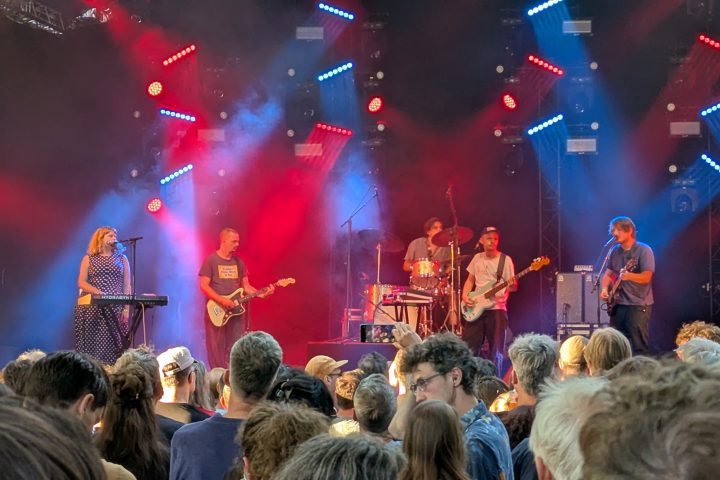
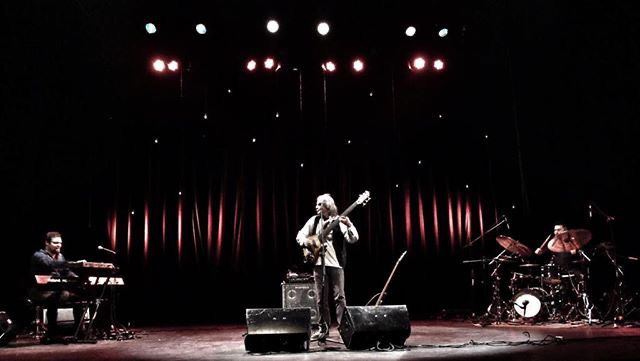
This framing , jazz as a conversation , reaches somewhere close to what qawwali does in the Sufi tradition. The call and response between the lead singer and the ensemble, the way a performance can open into extended dialogue that has no fixed end point, the sense that the music is listening to itself. When I first heard Coltrane’s ‘A Love Supreme’ I understood it as a prayer, which is also a form of conversation. Jazz knew something about music as spiritual exchange long before anyone wrote think-pieces about it.