 Into The Music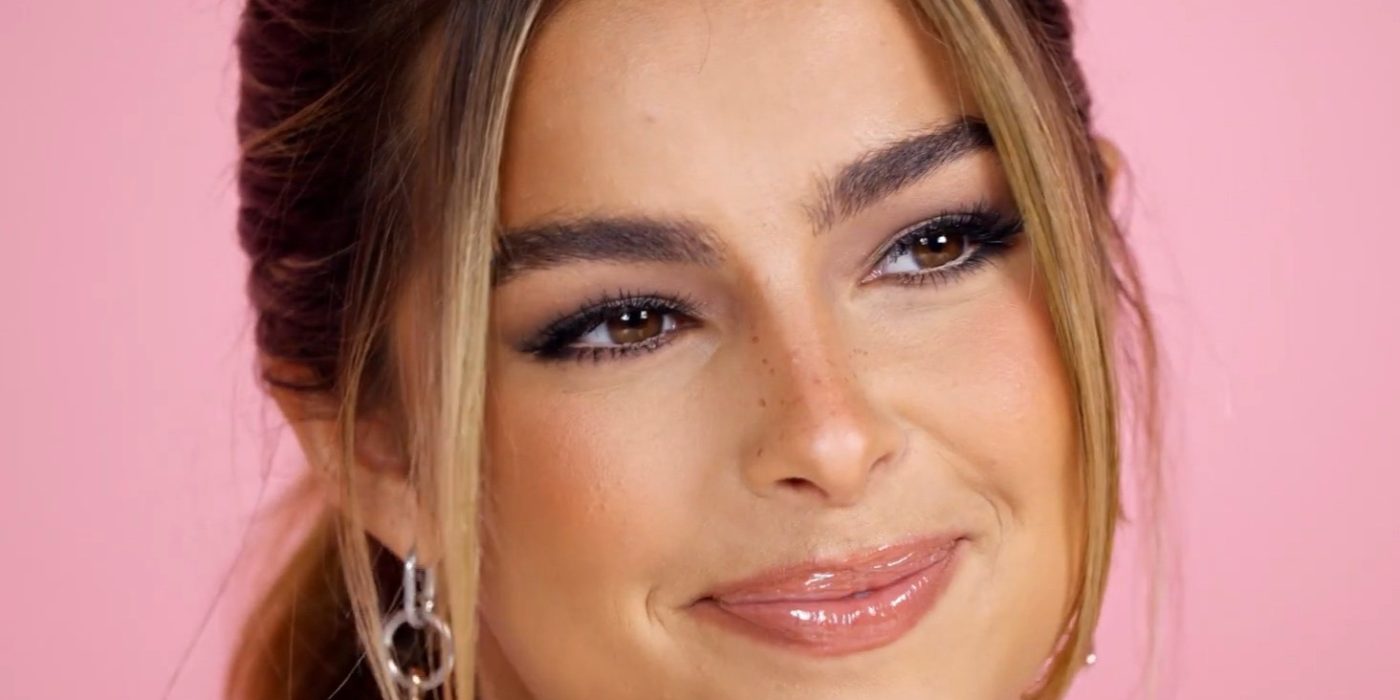
Addison Rae’s debut album Addison arrived last week with the kind of critical uncertainty that follows any pop record made by a TikTok star who has somehow outlasted the algorithm that made her famous. Pitchfork called it the girlypop album of summer, drawing lines to Lana Del Rey, Madonna, and Britney Spears. Whether that’s high praise or carefully managed context depends on what you think pop music is supposed to do in 2026.
The short answer is that Addison is better than it has any business being. Rae has been circling the music industry since her “Obsessed” single in 2021, a lightweight but infectious piece of throwback bubblegum that got more attention than it probably deserved and less credit than it actually earned. Five years and a shifted cultural landscape later, she has returned with something that feels deliberately constructed around a specific question: what would it sound like if Britney Spears had been allowed to make the record she actually wanted?
The production leans into Y2K pop textures in ways that feel less like nostalgia and more like a genuine aesthetic argument. The drum programming has weight. The vocal production treats Rae’s voice as an instrument to be shaped rather than a liability to be masked. When the record reaches for bigness, it mostly earns it.
The Lana Del Rey comparison is the more interesting one. There are several moments on Addison where the tempo drops and the melodrama rises and Rae sounds like she is constructing a mythology around herself rather than just singing a song. Whether that mythology has enough substance behind it to hold up over repeated listens is a legitimate question. But the ambition is real, and ambition in pop music is not something to wave away.
The Madonna reference feels slightly more dutiful, an acknowledgment that the album’s winking sexuality and deliberate provocation sit somewhere in a lineage rather than emerging fully formed. That’s fine. Very little pop music emerges fully formed. What matters is whether it has a personality, and Addison does.
The Britney line is the one that sticks. Rae’s whole career operates in the shadow of what happened to Britney Spears, not literally but structurally. She came up through a platform that owned her image, built a following that became a kind of surveillance, and is now trying to establish herself as an artist on her own terms. The parallels are not lost on anyone paying attention, and the album seems aware of them.
What nobody quite knows what to do with is the fact that it works. Pop music critics who spent the last decade telling you that TikTok stars were killing music now have to explain why this particular TikTok star made an album worth talking about. The answer is probably simpler than the discourse wants it to be: she worked with good collaborators, she had a clear vision, and she made choices that reflect actual taste.
Addison will not be for everyone. The people who find the girlypop aesthetic insufferable will find plenty to dislike here. But the people who believe that pop music at its best is a fully serious artistic endeavor will find a record that treats the form with respect.
The conversation around it will be messy. The album itself is not.
I will confess that I came to this article with strong skepticism. In the tradition of serious musicianship , the tradition of Richter, Horowitz, the careful conservatory training I have always valued , the idea of a TikTok personality releasing an album that is described as genuinely good creates a kind of cognitive confusion. And yet the article makes a compelling structural argument: that the album does not pretend to be something it is not. Perhaps this is the more honest approach. I have heard worse intentions dressed in much more impressive credentials.