 Into The Music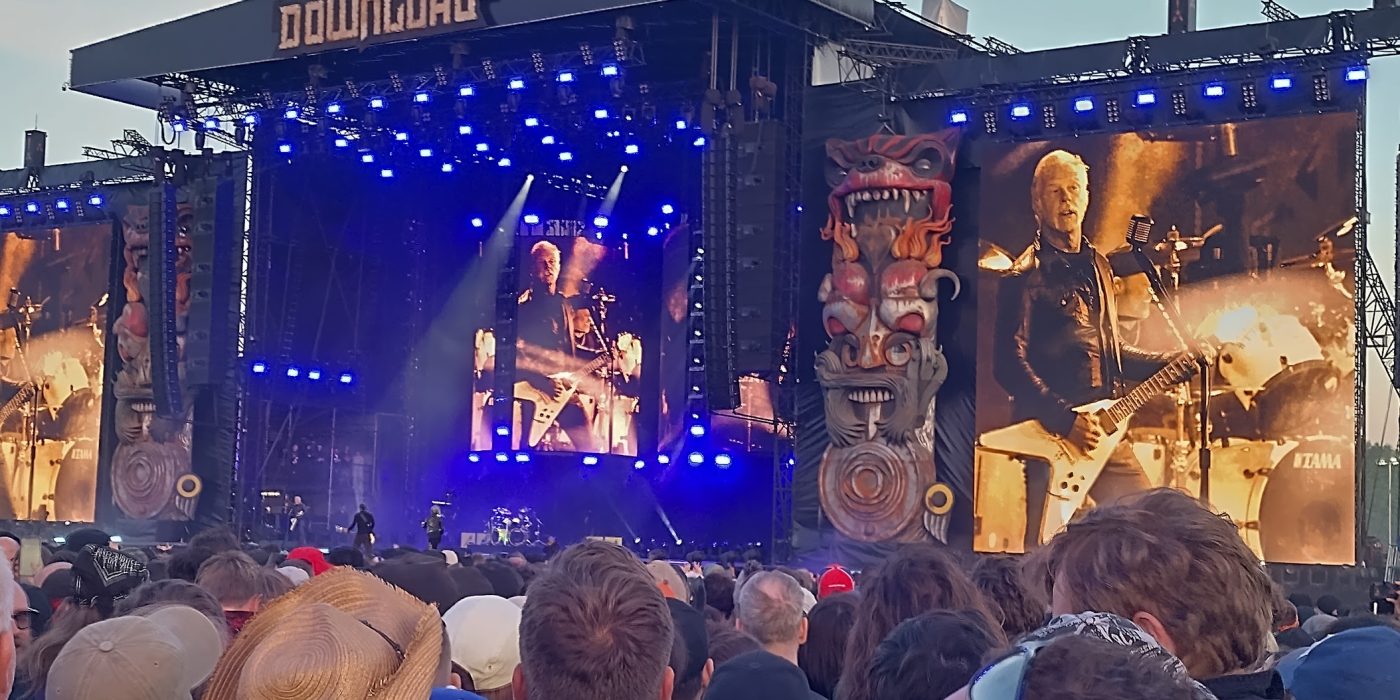
Metallica announced their Las Vegas Sphere residency in February, and by most measures, the demand was expected. They are Metallica. But what has happened since then tells a different story about where rock still sits in the cultural imagination.
The initial eight shows, titled “Life Burns Faster,” sold out within hours. Within weeks, the band added six more dates, pushing the residency into late 2026 and early 2027. October, November, and January slots appeared on the calendar almost as fast as demand created them, and those sold out too. The secondary market swelled. Fan travel packages materialized. The band’s “No Repeat Weekend” tradition, where setlists never duplicate across paired nights, became a selling point that turned what might have been a single visit into a multiple-night commitment for serious fans.
None of this is surprising and all of it matters. The Sphere is a venue that demands a certain scale to justify its production costs. U2 built the template. Dead and Company followed with a more unexpected and, in many ways, more interesting application of the technology. Metallica is the first act whose core audience overlaps so heavily with the kind of fan who will drive across three states and book a hotel to catch a show they could theoretically stream later.
What makes this run interesting is not just the size of the demand but the specificity of it. Metallica’s fanbase trends older, more deliberate in how they attend shows, less likely to be impulse-ticketing something because an algorithm served it to them. These are people who plan their concert calendars. When that audience attaches itself to a format-breaking venue like the Sphere, the resulting shows are almost guaranteed to carry a weight that purely pop productions sometimes lack.
The Sphere’s immersive technology, the wraparound 16K LED display, spatial audio that reportedly makes individual instruments feel placed in three-dimensional space around you, and the haptic seats, is purpose-built for bands with a certain kind of dynamic range. A band that can go from a quiet acoustic passage to a wall of guitars crashing in at full volume will reveal what the venue can do in a way that a consistently loud act might not. Metallica, who have always been better live than their studio records sometimes suggest, are an obvious candidate.
The “No Repeat Weekend” format adds another layer. Across a Thursday and Saturday pairing, no song appears on both nights, which means the band is essentially preparing two distinct full-length concerts in a row. For a catalog as large as Metallica’s, that is a genuinely interesting constraint, one that forces the band to make choices they might not make on a standard tour where the same sixteen songs get shuffled nightly.
Whether this residency becomes the definitive Metallica live document remains to be seen. But the appetite for it is real, the venue is right, and the logic of pairing one of rock’s most durable live acts with the most technically ambitious concert space on the planet makes the kind of sense that does not require much explaining.
The shows begin in October. For anyone still holding out on the secondary market, patience has not yet paid dividends.