Into The Music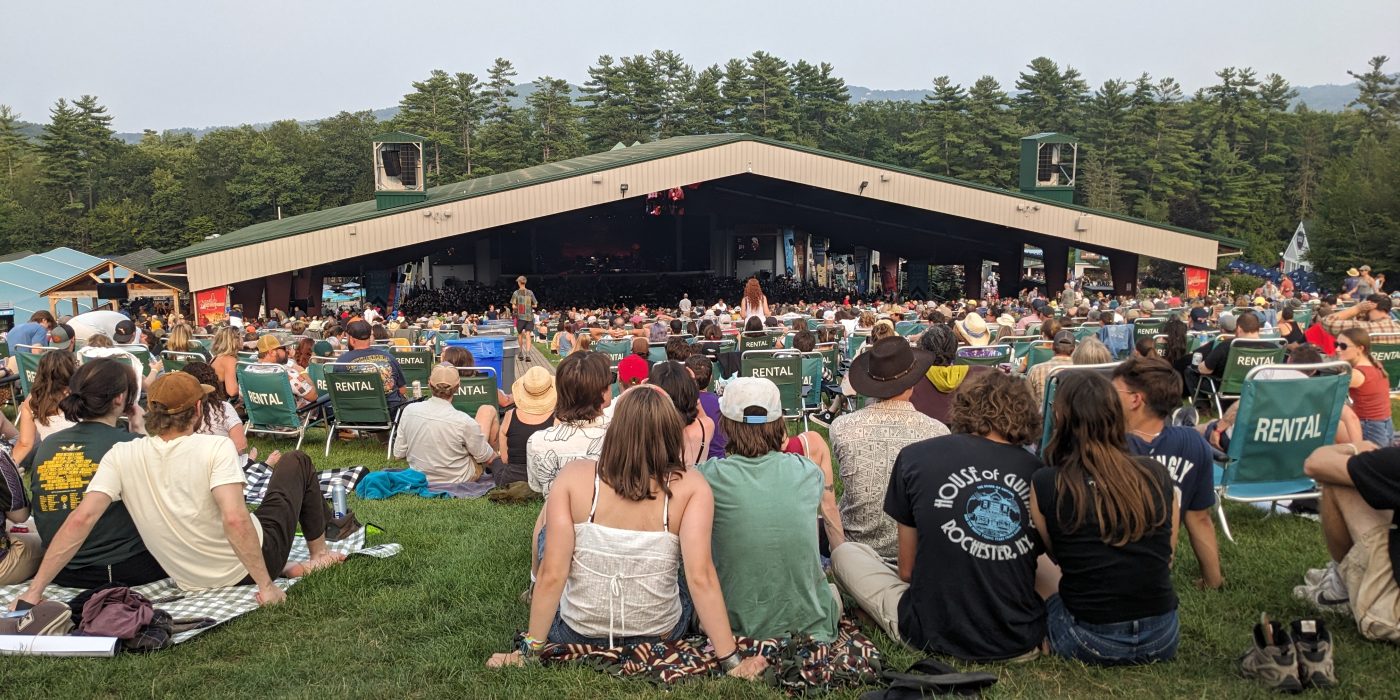
The summer festival model that defined outdoor music events for decades ran into a wall in the years following the pandemic, and the shape of what survived tells you something about how live music has reorganized itself around scarcity and spectacle.
Before 2020, the festival market was oversaturated. Every mid-sized city had an event. Every weekend between Memorial Day and Labor Day had a lineup. Ticket prices had been climbing for years, and the major players, Coachella and Lollapalooza and Bonnaroo and a dozen others, had begun to blur into each other. The headliners rotated. The crowds aged. The camping experience, which had once been central to the appeal, became something promoters apologized for rather than celebrated.
The pandemic cleared the market violently. Events that were already financially marginal did not return. The ones that did come back faced different audiences. Younger attendees who had aged into festival-going during the shutdown brought different expectations. They were more interested in curation and less tolerant of logistical failure. They were also more likely to buy a single-day ticket than a weekend pass, which disrupted the revenue models that had been built around multi-day attendance.
The festivals that have adapted best are the ones that figured out what they actually are rather than what festivals are generically supposed to be. Coachella became a fashion and cultural media event that also has music. Primavera Sound became a curator’s showcase for people who read music criticism. Glastonbury remained Glastonbury, which is a category of its own. The middle-tier events that tried to be all of these things at once are largely gone.
What this means for artists is that the festival slot, which was once reliable supplementary income for mid-level acts, is harder to get and pays less well than it used to for anyone outside the headliner tier. The ecosystem that developed around the festival economy, booking agents, staging companies, tour managers with seasonal work, has contracted significantly. What is left is more concentrated at the top and less forgiving everywhere else.