 Into The Music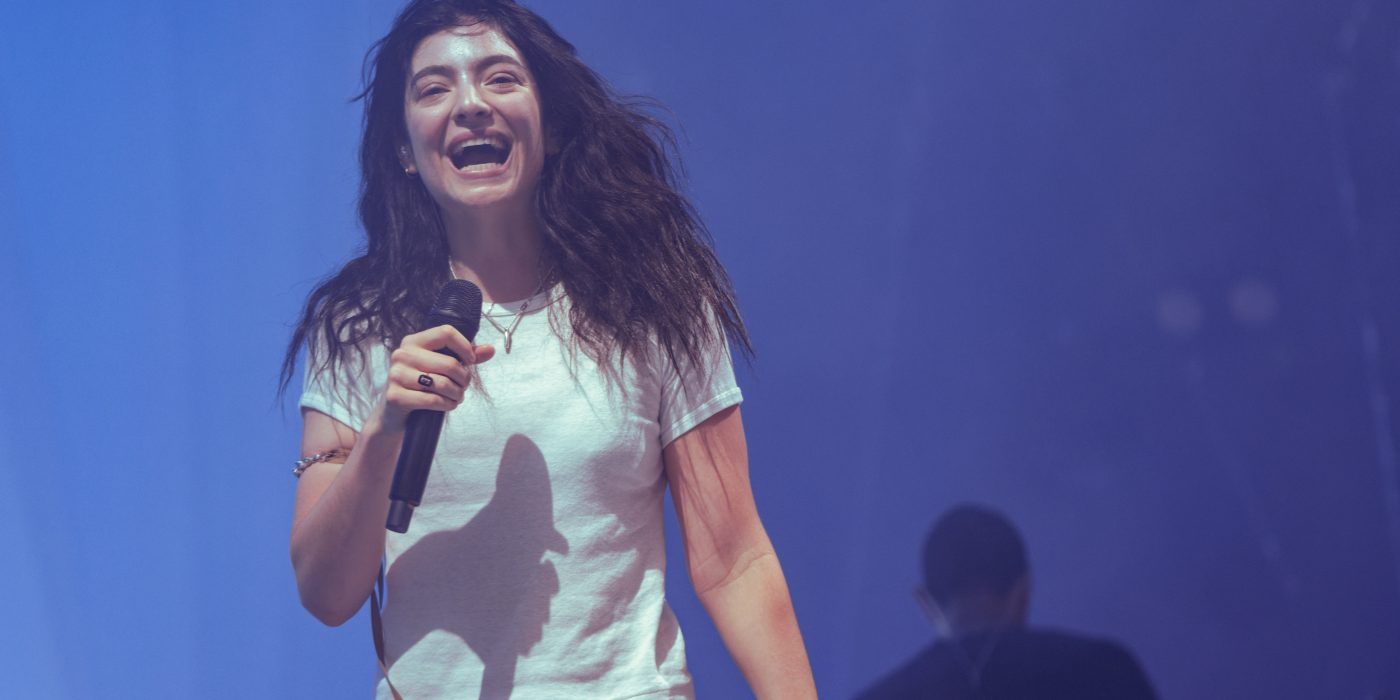
The Lollapalooza 2026 lineup, with its all-female and mixed-gender headliner crop and a strong presence of critical-darling acts in the midcard, is being read as a statement about what mainstream festival culture values in 2026. That reading is probably right, but it’s worth being specific about what it’s saying and what it isn’t.
The headline fact, that the mainstage has no solo male headliners, is real and significant in a historical context. Festivals have been male-dominated at the headliner level for essentially their entire history. The structural reasons for this aren’t mysterious: for most of rock and pop history, the artists with the largest commercial footprints and the longest touring careers that justify festival headline billing were predominantly male. The current generation of artists with those characteristics looks different.
Charli XCX, Lorde, and Tate McRae are at different points in their trajectories but all genuinely justify headliner billing on artistic and commercial grounds. JENNIE headlining as a solo K-pop act is a different kind of milestone, reflecting the degree to which K-pop has moved from a niche to a mainstream-festival-level phenomenon in North America.
The more interesting question the lineup raises is about the relationship between festival bookings and the actual state of music. Lolla’s lineup, like all festival lineups, is a lagging indicator. The acts that headline in 2026 built their audiences over years of previous work. The lineup tells you what the last five to seven years produced; it doesn’t tell you what the next five to seven years will produce.
What it does tell you: the generation that grew up with streaming has produced a genuinely diverse set of artists who can fill a festival mainstage, and the festival circuit has noticed.