 Into The Music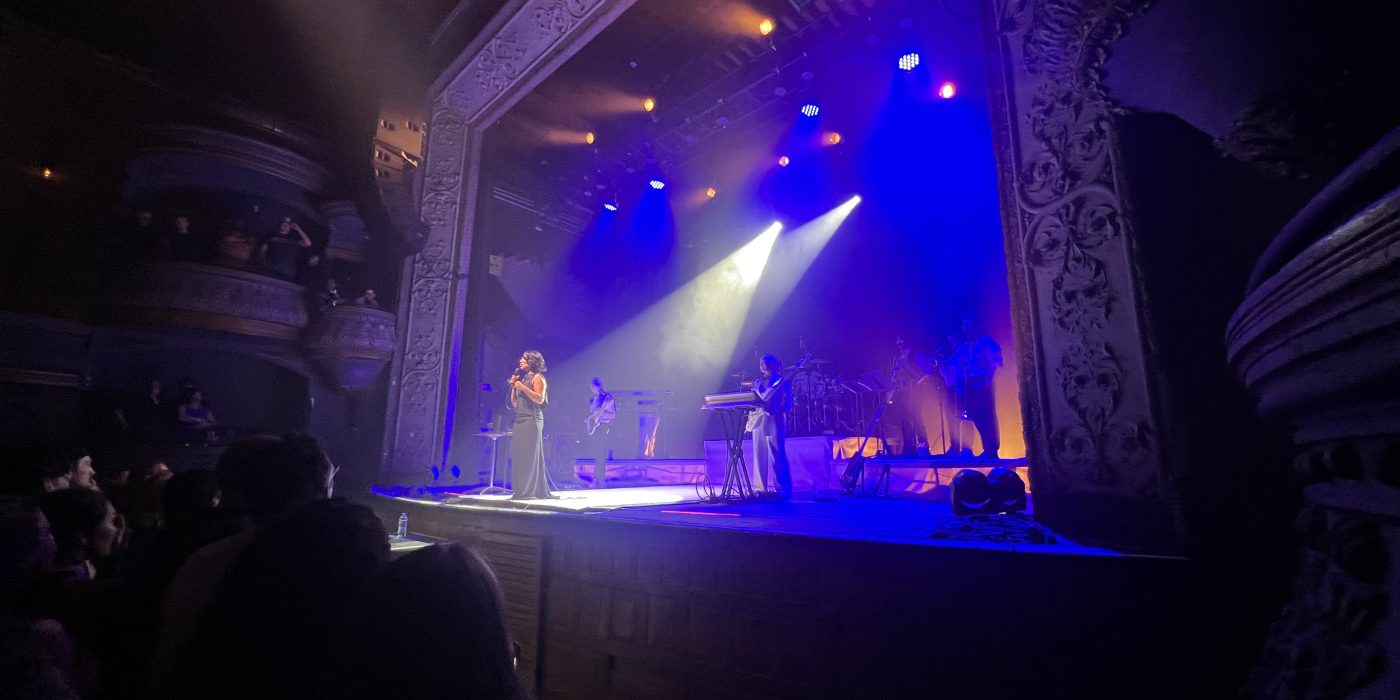
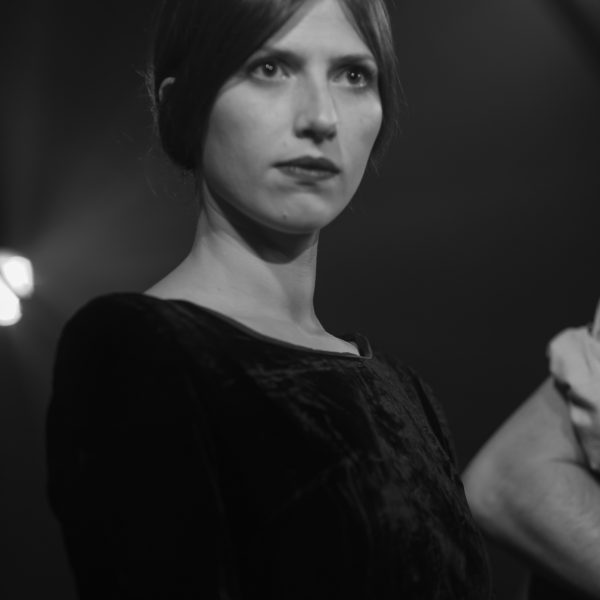
There is a moment early in THIS MUSIC MAY CONTAIN HOPE. where RAYE announces, essentially, that she is going to be sad and beautiful for the next 73 minutes and you are going to sit with her until it’s done. She is not wrong. This is a record about heartbreak as performance art, grief as spectacle, and the particular kind of woman who can be completely falling apart while somehow remaining immaculate. It is a lot. It is, remarkably, worth every minute.
RAYE’s first album, My 21st Century Blues, was already a kind of vindication story. Seven years locked in a Polydor deal that kept shelving her work, and then she walked out the door, made the record herself, and ended up as the first woman to win Songwriter of the Year at the BRIT Awards. That kind of backstory could easily make a follow-up feel like comfort lap, a chance to coast on goodwill. Instead she has gone bigger, stranger, and more inconveniently herself.
Seventeen tracks. Four season-themed acts. Running time that would make most streaming-era artists faint. In a pop landscape built around two-minute dopamine hits and front-loaded hooks designed for playlist algorithms, RAYE chose to be deliberately awkward. Songs unspool over four, five, six minutes. The plot twists, when they arrive, come at the end. This is not accidental. It is structural stubbornness from an artist who spent years being told what a pop record should sound like, and is now refusing every convention she was handed.
The sound is what she calls baroque maximalism, which is an accurate description if not quite a cozy one. Parisian noir, Old Hollywood string sections, jazz, orchestral R&B, Fred again..-style electronic pulse, and somewhere in there, a sample of Aretha Franklin and a cameo from Hans Zimmer. Yes, that Hans Zimmer. It should not cohere. It somehow does, because RAYE has the classical training to pull off the tributes and the 21st-century wit to keep them from turning into museum exhibits. When the arrangements feel cosmic, her lyrics stay grounded: WhatsApp calls, Lime bikes, petrol-station cigarettes.
The album’s thesis, stated plainly in a third-act song, is that this is a sad world but we are all going to die eventually, so it is going to be alright. She delivers this message in a crimson dress, seven Negronis deep, listening to Edith Piaf and eating chocolate cake while thunder arrives on cue. She knows she is romanticizing her own wreckage. She also thinks it would make a great movie. Both of these things are true at once, and holding that contradiction is what makes TMMCH. more interesting than its more self-serious competition.
Not everything works over 17 tracks, and some of the mid-album stretches test patience. But RAYE is one of those singers who can make you stay even when you would normally skip ahead, because the build is almost always worth it. Her voice alone is worth the price of admission, capable of moving from musical theater belting to a whisper in the space of a single breath.
This is the rare pop album that actually earns its ambition. RAYE set out to make something sprawling, strange, and emotionally exhausting, and she did exactly that. When it ends, you feel wrung out in the best possible way, the way you feel after a film that actually got to you. Some listeners will find it too much. Their loss, as her Pitchfork reviewer aptly put it.