 Into The Music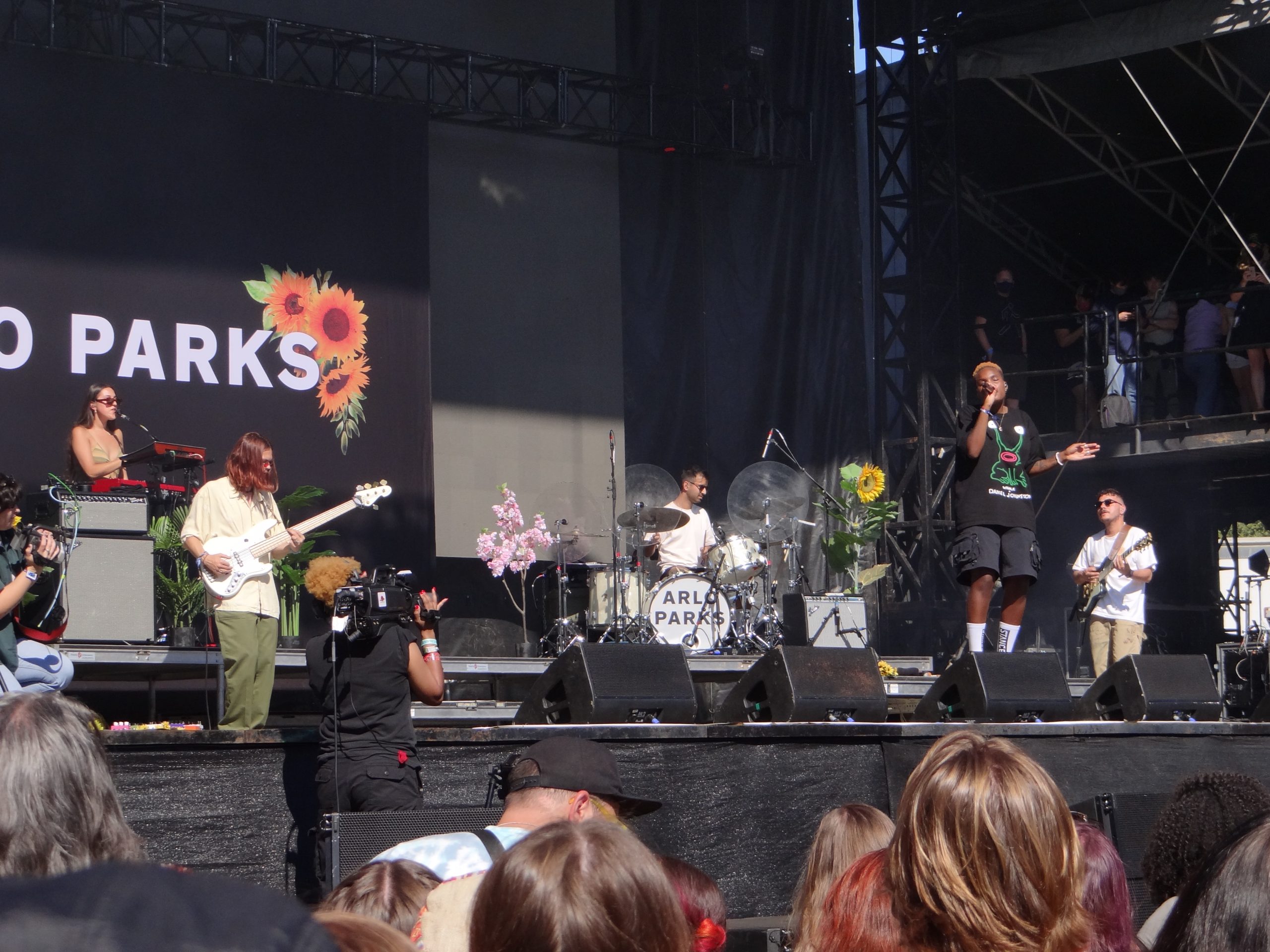
Arlo Parks arrived fully formed and everybody knew it. Her 2021 debut Collapsed in Sunbeams won the Mercury Prize and introduced a songwriter who could compress enormous emotional weight into very small spaces, quiet songs about depression and longing and the difficulty of being a person that somehow managed to feel like a hand on the shoulder rather than a weight on the chest. She was 20 when she finished it. The expectations that followed were predictably suffocating.
Her second album My Soft Machine, released in 2023, tried to push into bigger sonic territory while keeping that intimacy intact, and the results were mixed in the way sophomore albums often are when an artist is still figuring out what the first record meant and where the road goes from there. It had its moments. It also felt like someone testing the walls of the room they’d built for themselves.
Ambiguous Desire, her third album out this week, sounds like someone who has stopped testing and started expanding. The production is warmer and more varied than anything she’s done before, with Parks pulling in orchestral textures, subtle electronic elements, and a rhythm section that actually breathes. The songs still center on emotional precision, still trade in the kind of confessional detail that makes her writing feel less like observation and more like direct transmission, but the frame around them is wider now.
Parks grew up in West London to a French father and Barbadian-Trinidadian mother, and her musical sensibility has always reflected that layered inheritance: Nina Simone and Radiohead and French chanson and contemporary R&B all somehow coherent in the same space. Ambiguous Desire leans into that multiplicity more than any of her previous work. There are songs that feel like they could have been made in the 1970s and songs that sound like right now, and the fact that they coexist without friction says something about how thoroughly she’s internalized her influences.
The album’s title is apt. Parks has always written about desire in its most complicated forms, the wanting that comes mixed with ambivalence or fear or the particular grief of not knowing what you need. Ambiguous Desire is her most mature treatment of that theme, less about the ache and more about the process of understanding it.
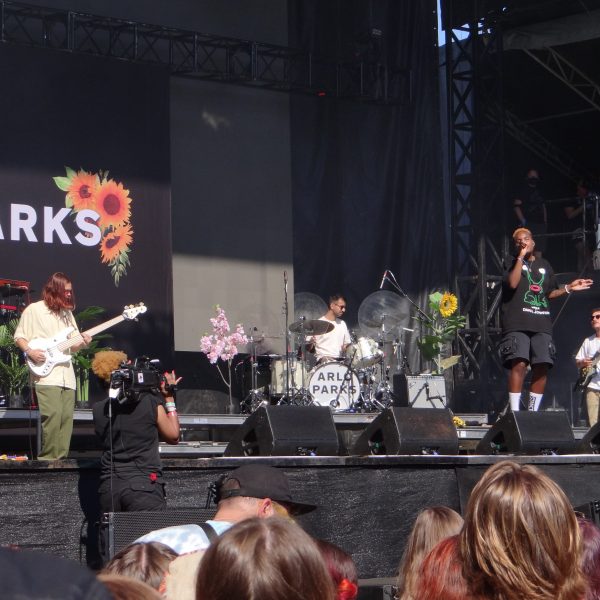
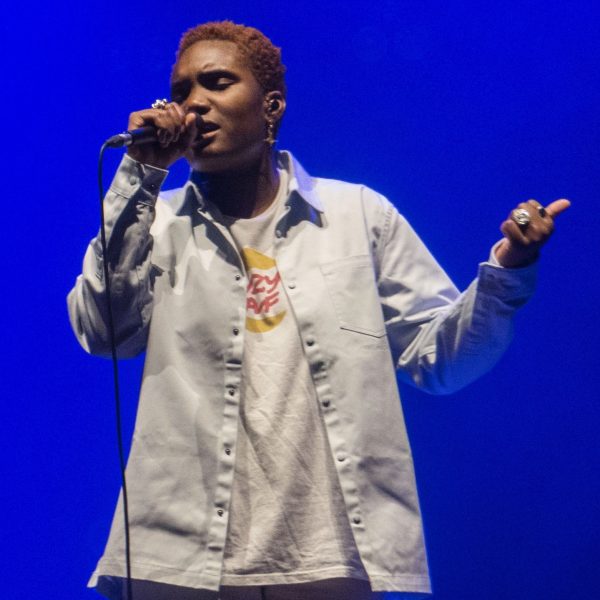
She’s also become a genuinely commanding live performer. Anyone who saw her headline shows in 2024 and 2025 knows she has a stage presence that the recordings only partially capture, the kind of stillness at the center of something large that takes years to develop. The new record should give her material that can fill the rooms she’s now regularly playing.
At 25, Arlo Parks is already three albums into a serious artistic trajectory. The early hype has settled into something more durable: a career built on craft and genuine emotional intelligence, made by someone who seems to understand that the work itself is the point.