 Into The Music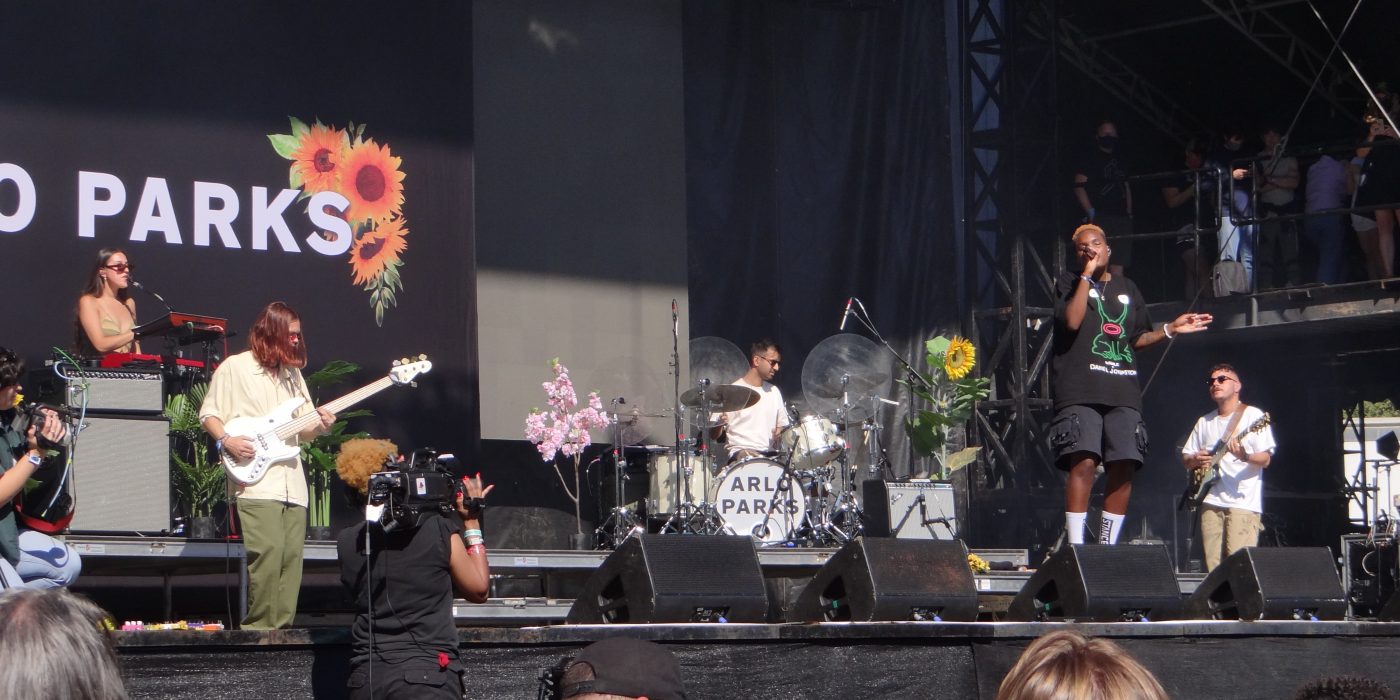
There is a version of Ambiguous Desire that could have gone badly. Arlo Parks, the soft-spoken British poet who won the Mercury Prize at 20 and spent the next few years carefully building a devoted fanbase on the back of delicate guitar songs about queer longing and mental health, decides to make a dance record. It sounds, on paper, like a pivot. A reinvention. A risk.
It is none of those things. It is, instead, the natural next step for an artist who spent her early twenties touring relentlessly, burning out, canceling shows, and then, finally, letting go. Parks moved to New York, went to clubs, fell in love with the sweaty, temporary community of a dancefloor at 3 a.m. And then she went to a studio in Los Angeles and made an album that sounds exactly like that felt.
Ambiguous Desire works because Parks does not abandon what made her great. She is still the finest observer of her own interior life currently making pop music. She is still a poet first, a songwriter second. What changes is the setting. The drums are no longer brushed and polite. They skip, stomp, and skitter. The bass moves. The air in these songs has been rearranged.
“Heaven,” the lead single and the album’s clearest argument for itself, opens gently, a swaying thing about concrete and summer light, then drops into a bass surge that feels almost physical. It is the kind of song that works in headphones at noon and better at midnight with strangers around you. “Jetta” does something more subtle, a morning-after blur that gradually assembles itself into momentum, like the decision to go back out when you should probably sleep.
The best song here is “Beams.” Over reverb-soaked production that owes something to Burial and something to pirate radio, Parks opens with a scene: sitting on steps at dawn, confessing suicidal feelings in Brazil to someone she loves. It is stated plainly, without drama, the way you actually say things at that hour. The hook is clean and aching. This is Parks at her most direct, and her most devastating.
“Senses,” a duet with Sampha, is the album’s most formally beautiful moment. Two undersung vocalists, both known for a certain bruised precision, trading lines about the ways people hide from themselves. It is deeply felt and slightly clinical, which is exactly the right register for both of them.
Not everything lands. A few tracks in the album’s middle feel like textbook UK garage homage more than genuine revelation. The production throughout is polished to a sheen that occasionally flattens the rough edges Parks has always been best at finding. Some of the less eventful songs pass without leaving much behind.
But the peaks here are real. Parks is 25 and she is making the most adventurous work of her career while also writing her sharpest lyrics. The combination is rare. Ambiguous Desire is the sound of an artist finding out who she actually is when the touring and the expectations and the prize ceremonies clear out of the way. It turns out she likes to dance. The music is better for it.