 Into The Music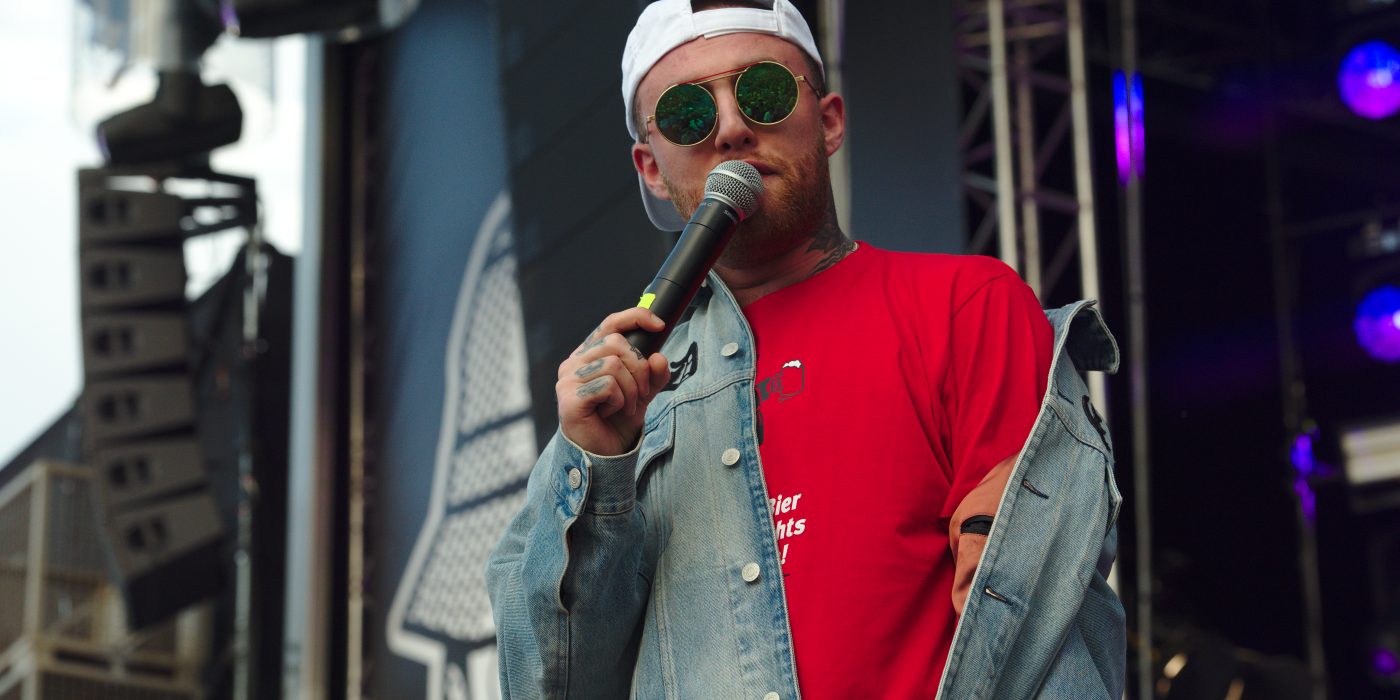
Mac Miller has been dead since September 2018. He was 26. This week, he appeared on a new Thundercat album, performing on a funk groove called “She Knows Too Much,” sounding like himself, present and alive in the music. His estate approved it. The recording draws from material he made during his lifetime. No AI was involved.
And yet the moment is not simple. It cannot be.
Posthumous collaborations are not new. The practice of pulling an artist’s recorded material into new contexts after their death goes back decades. What has changed is the frequency, the ambition, and the increasingly blurred line between what an artist recorded and what can be constructed from fragments of what they recorded. The Mac Miller track on Distracted sits firmly on the legitimate end of that spectrum. But it is still worth asking what it means to keep deploying a dead person’s voice into new situations, even with full estate blessing, even when the music is moving, even when it honors rather than exploits the person it features.
The cleaner cases help define the edges. When an artist dies mid-project, finishing that project is almost always the right call. Natalie Cole recorded “Unforgettable” with a vocal from her father, dead 25 years by then, and it won five Grammys. Nobody serious argued the track was exploitative. Tupac’s hologram at Coachella 2012 generated more controversy not because of its emotional content but because of what a visual simulation of a living performance implies: that the artist is somehow still there, performing, in a way that audio recordings do not suggest. The hologram is a claim. The recording is a trace.
What has complicated all of this in the last several years is AI. Not on the Thundercat album, but everywhere adjacent to it. Spotify has had to remove AI-generated tracks that appeared under deceased artists’ names without estate approval. California passed legislation in January 2025 requiring permission from a deceased celebrity’s heirs for AI-generated performances. New York enacted similar protections effective later this year. The regulatory response is arriving because the threat is real: voices can now be synthesized with enough fidelity to deceive casual listeners, and the pipeline from vault recordings to training data to fake performance is shorter than most people realize.
This creates a strange new pressure on legitimate posthumous releases. Every approved collaboration now exists in the context of a market full of unauthorized simulations. When you hear Mac Miller on a Thundercat track, you know it is real, because the estate said so and because it sounds like an actual recording from his life rather than a probabilistic average of his catalog. But the existence of the fake version changes how you receive the real one. The question of authenticity, which should be settled, hovers anyway.
There are artists whose estates have been aggressive about posthumous releases in ways that feel like mining rather than curation. There are others, like Miller’s, that have been thoughtful and selective. “Circles,” released in 2020, was finished by Jon Brion using Miller’s notes and sessions. “Balloonerism” followed in January 2025, a project Miller had mostly completed before his death. “She Knows Too Much” on Distracted is different again: an existing recording placed into someone else’s project with care and apparent intention.
What does an artist consent to, exactly, when they go into a recording session? They consent to the song that session is for. They consent, broadly, to their performance being heard. What they cannot consent to is every future context that performance might end up in, because they cannot predict it. This is true of living artists too, whose early recordings get licensed and recontextualized throughout their careers without their ongoing input. Death sharpens the problem because there is no more input coming, ever.
The most honest position is probably also the most uncomfortable one: we do not fully know what any of this means yet. The tools are changing too fast, the legal frameworks are catching up unevenly, and the cultural norms around who gets to speak with a dead person’s voice are still being written in real time. What we can say is that the difference between honoring someone’s recorded work and manufacturing a simulacrum of them is meaningful, even when that difference is not always easy to see, and that the music industry’s track record of getting this right is mixed at best.
Mac Miller on Distracted is the good version. The music is real, the approval is documented, and the track honors him without pretending he is still here. That it raises all these questions anyway is not a flaw. It is what good art does. It makes the complicated more visible, not less.