 Into The Music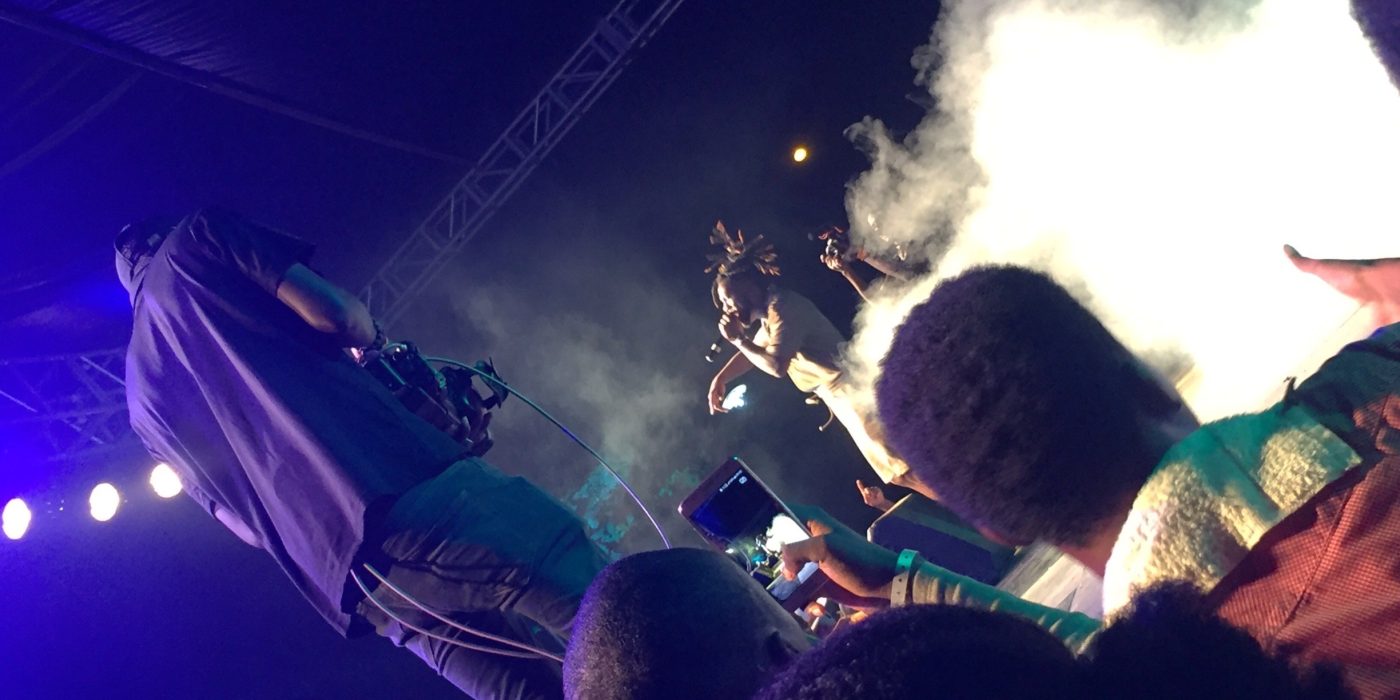
Something shifted in how the world thinks about Afrobeats sometime around 2019 or 2020, and the shift has only accelerated since. The genre went from being a niche interest among African diaspora communities and a few well-connected music bloggers to something genuinely global, not in the vague “world music is growing” way that pundits have been saying forever, but in the specific, chart-verifiable, stadium-filling way that means the infrastructure of the music industry now has to take it seriously.
The numbers are not subtle. Burna Boy sold out Madison Square Garden. Wizkid’s “Essence” featuring Tems became one of the most-streamed tracks on the planet in 2021 and lingered there. Tems herself has since become an international headliner. Rema’s “Calm Down,” a remix featuring Selena Gomez, crossed a billion streams. Davido tours arenas across the United States and Europe to crowds who know every lyric. These are not genre-curious listeners showing up for an exotic experience. These are fans.
What makes the Afrobeats surge interesting to think about is how different it looks from previous moments when African music entered Western mainstream conversation. The afrobeat of Fela Kuti in the 1970s was received, in Europe and North America, primarily as politically charged art music, powerful but separate. The various African pop crossovers of the 1980s and 1990s were often filtered through collaborations with established Western artists, which tended to center the Western frame. What is happening now is structurally different. The artists are not being filtered or translated. They are arriving on their own terms, with global audiences finding them directly through streaming platforms and social media rather than through gatekeepers.
Afrobeats as currently understood is not a single sound. It is a loose category that encompasses Afropop, Afrobeats proper, Afrofusion, and adjacent sounds including Amapiano, which originated in South Africa and has developed its own international following. The log-drum bass lines and piano melodies of Amapiano have been finding their way into UK and US productions with increasing frequency. The boundaries between these sounds are porous, and artists move between them fluidly.
The genre’s infrastructure has grown to match its audience. African music festivals now draw international bookings that would have been unthinkable ten years ago. Afrobeats playlists on Spotify and Apple Music drive enormous streaming numbers. Labels that were slow to take the genre seriously are now scrambling to sign and distribute African artists, sometimes in ways that raise familiar concerns about who controls the money and the narrative.
That tension is worth naming. The fact that major Western labels are now deeply interested in Afrobeats is not uncomplicated good news. There is a history in this industry of genres from Black communities being absorbed, commercialized, and stripped of context as they cross over. Whether Afrobeats maintains its connection to its origins, its language, its rhythms, and its specific sense of joy as it continues to expand globally is a genuine question, not a hypothetical one.
For now, the energy is undeniable. The artists driving this moment are not waiting for permission or translation. They are building something that belongs to them, and the rest of the world is catching up. That is a different kind of crossover story, and it is still being written.
The ‘on its own terms’ framing in this headline is doing a lot of work, and I think it deserves unpacking. Because what often happens when a non-Western genre goes global is that it gets reshaped to fit Western commercial structures , the tempo adjusted, the production smoothed out, the rough edges filed off. The fact that Afrobeats resisted that, or at least that the artists with the most cultural authority resisted it, feels significant. It’s the same argument people make about why Beyoncé’s pivot to country on Cowboy Carter worked: genre expansion on the artist’s terms rather than the market’s.
From a production standpoint, the 2019-2020 inflection point isn’t accidental , that’s when the major labels got serious about Lagos signings and started retrofitting Afrobeats tracks for Western streaming algorithms. A/B testing outro lengths, splitting the difference on BPM to make the music playlist-friendly without gutting the feel. The artists who came through intact , Burna, Wizkid, Davido , had enough leverage by then to push back. The ones who came up after had a harder road. The global success is real, but the infrastructure story underneath it is considerably more complicated.
Sara’s point about the ‘on its own terms’ framing is exactly what a good editor would flag. I’ve filed pieces about Lagos music scenes going back fifteen years and the language around ‘going global’ almost always centers the Western audience as the destination rather than the culture as the origin. The 2019 inflection Solomon mentions is real, but it’s worth asking: who got paid when the labels arrived, and who got repackaged.
Burna Boy in Ibiza last summer. Floor lost its mind. Afrobeats doesn’t need a think piece , it already owns the dance floor.
I was born in Accra, and I want to say carefully what it means to watch this unfold from a distance. When I left Ghana in the 1980s, the music I carried with me was considered local color at best by the people I met here. What has happened since is not just a genre going global , it is a long-overdue correction of what the world was willing to hear. The phrase ‘on its own terms’ is the right one. The artists did not soften the rhythms. The world came to understand them. That is a different thing entirely, and it matters.