 Into The Music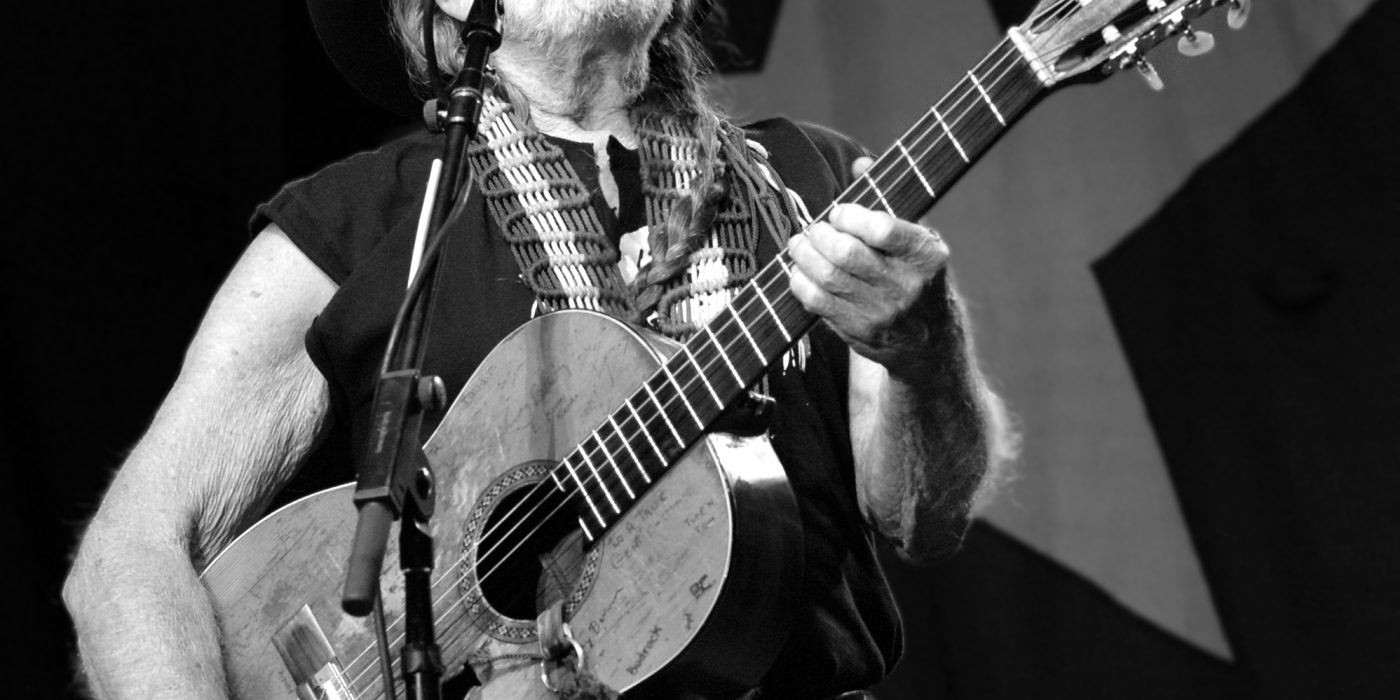
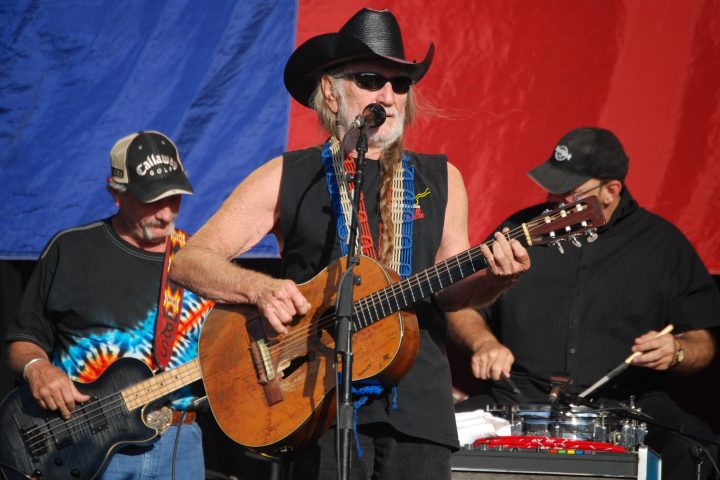
Willie Nelson just announced dates for the 2026 Outlaw Music Festival, and the lineup looks the way it usually does: Wilco, Sheryl Crow, The Avett Brothers, artists who exist at the intersection of country, folk, and rock without fitting neatly into any of them. Nelson himself will perform, as he has at every edition. He is 92 years old and he is still on the road.
The Outlaw Music Festival has been running since 2016, and it has become something more than a touring festival. It has become a statement of intent about what country music can be when it refuses to be product-managed into the mainstream. This is worth examining not because Willie Nelson needs a defense but because the festival represents a genuine counterpoint to Nashville’s current dominant mode.
The original outlaw movement of the 1970s was a reaction to Nashville’s polished, producer-controlled aesthetic. Nelson, Waylon Jennings, Kris Kristofferson, and their peers rejected the system not by leaving country music but by insisting on their own terms within it. They wanted to own their masters, choose their own material, and record without the interference of executives who thought they knew what the audience wanted. The results were records like Wanted: The Outlaws, Red Headed Stranger, and Honky Tonk Heroes, records that sold in numbers that validated the artists’ stubbornness.
What the Outlaw Music Festival does is invoke that spirit without pretending the 1970s are still happening. The artists who play it are not time capsules. Sheryl Crow is not playing outlaw cosplay. Wilco is not trying to be Waylon Jennings. What connects the lineup each year is a shared resistance to the version of success that requires homogenization.
The commercial country landscape in 2026 is complicated in ways the original outlaws did not anticipate. The genre has absorbed hip-hop, pop production, and the viral economy of social media. Artists like Shaboozey and Beyonce’s Cowboy Carter cycle have forced genuine conversations about who gets to call themselves country and who gets to define the genre’s borders. Morgan Wallen’s stadium numbers coexist with Zach Bryan’s more literary approach. The genre is genuinely contested in ways it has not been since the 1990s pop-country moment.
Against this backdrop, the Outlaw Music Festival functions as a kind of marker. Not a nostalgia exercise. Not a museum piece. A recurring demonstration that there is an audience for artists who are not trying to cross over, not chasing playlists, and not building a sound around what the algorithm rewards. The fact that Nelson himself is still at the center of it, still performing, still releasing records, is not incidental. He is the living argument that the approach has a lifespan.
There is also something worth noting about the economics. The festival draws well. It is not a niche gathering for purists. People who also listen to Morgan Wallen and Beyonce buy tickets to see Willie Nelson. The audience for music that does not need to fit is larger than the industry sometimes acknowledges, and the Outlaw Music Festival has been making that case every summer for a decade.
The 2026 dates will run through the summer and fall. If you have not seen Nelson live, the window is real. He is 92. The performances are still genuinely good. There is no reason to keep waiting.