 Into The Music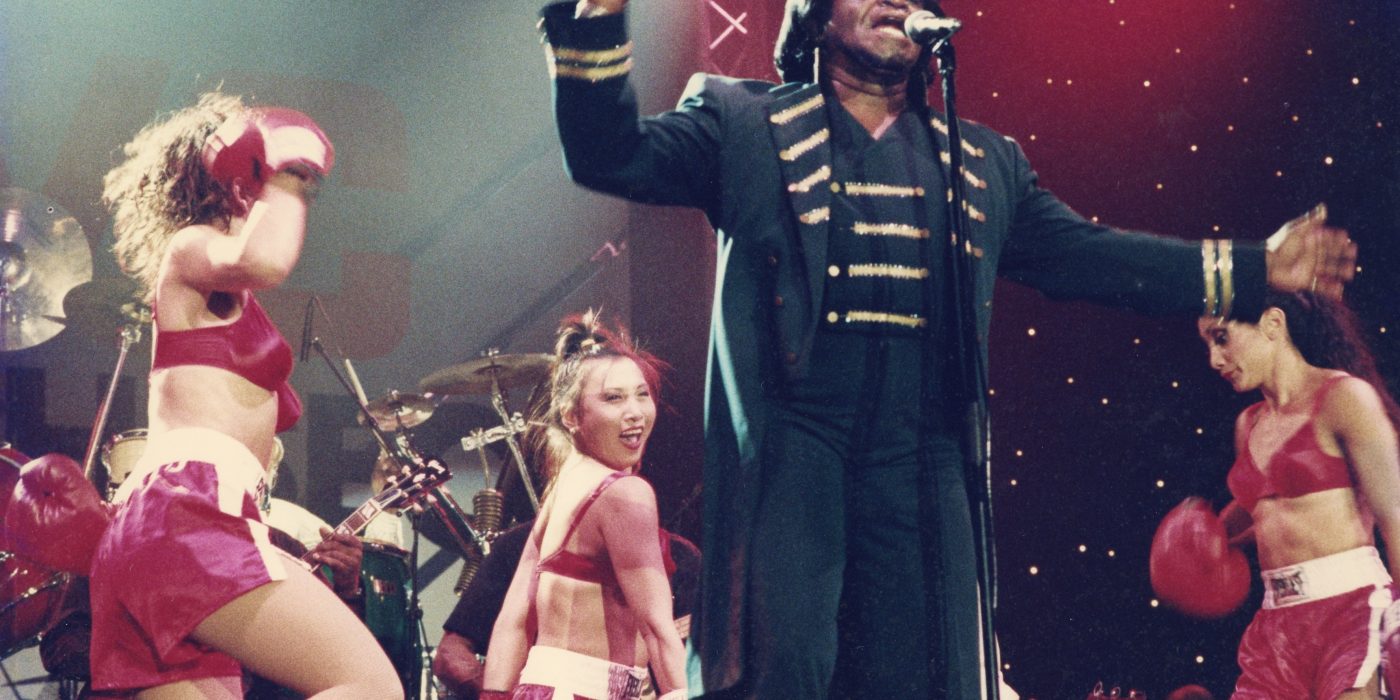
Funk is the genre that gave music its hips. Before funk, rhythm was something that supported the melody. After funk, rhythm was the point. The groove was not the vehicle. The groove was the destination.
James Brown understood this before almost anyone. He had been making soul music and R&B, records that were emotional and physical but organized around traditional song structures with verses and choruses and resolutions. Then around 1965 he started pulling everything apart. The melody receded. The horn lines became rhythmic elements rather than melodic ones. The bass dropped into a lock with the kick drum that felt less like a musical choice and more like a biological inevitability. The body started moving before the brain knew what was happening. That was the discovery.
What Brown found, and what George Clinton took into outer space with Parliament-Funkadelic, is that a groove properly constructed can sustain almost indefinitely. You do not need development or resolution. You need tension and release cycling through each other in a loop that does not announce where it is going. The one, in funk parlance, is not just a beat. It is a philosophy. Land on it, trust it, and everything else falls into place.
Sly and the Family Stone brought the psychedelic and the political into the conversation, making records in the early 1970s that were simultaneously the most euphoric and the most paranoid music in American pop. There Is a Riot Goin’ On is a funk record the way Apocalypse Now is a war movie: the genre is present but its usual comforts have been stripped away. What is left is something stranger and more true.
Bootsy Collins, who played bass for both James Brown and Parliament-Funkadelic at different points in his career, articulated something important about what funk actually requires. The bass is not playing notes, he has explained in various interviews. The bass is playing the space between the notes. This is a spiritual claim and a technical one simultaneously, and it captures what separates a funk record that works from one that is merely trying to work. The try is audible. The real thing is felt.
Funk’s influence has been embedded in music for fifty years in ways that are often invisible precisely because they are so total. Hip-hop is built on it. The sampling tradition that defines American popular music from the 1980s forward draws overwhelmingly from funk records because those records contain the rhythmic DNA that everything subsequent has been trying to replicate and recombine. When a producer chops a James Brown break and loops it under a rap verse, they are not quoting funk. They are acknowledging a foundation.
Contemporary artists working in the funk tradition range from Bruno Mars and Anderson .Paak, whose Silk Sonic project engaged with the genre’s aesthetic directly, to artists like Thundercat, who brings a jazz musician’s harmonic sophistication to rhythmic frameworks that are unmistakably funky. Cleo Sol, Moonchild, Kaytranada in the dance space. The list is long. The form keeps finding new people to run through it.
What funk offers that few genres can match is its commitment to the present tense. A good funk record does not ask you to think about what you are feeling. It makes you feel it before the question is possible. That is not a simple thing to achieve. It requires the kind of collective musical intelligence that cannot be faked, only built, over time, through playing together until the space between the notes becomes as important as the notes themselves. Brown and Clinton and Collins and the dozens of musicians who built this form understood that. The groove is still carrying the lesson.