 Into The Music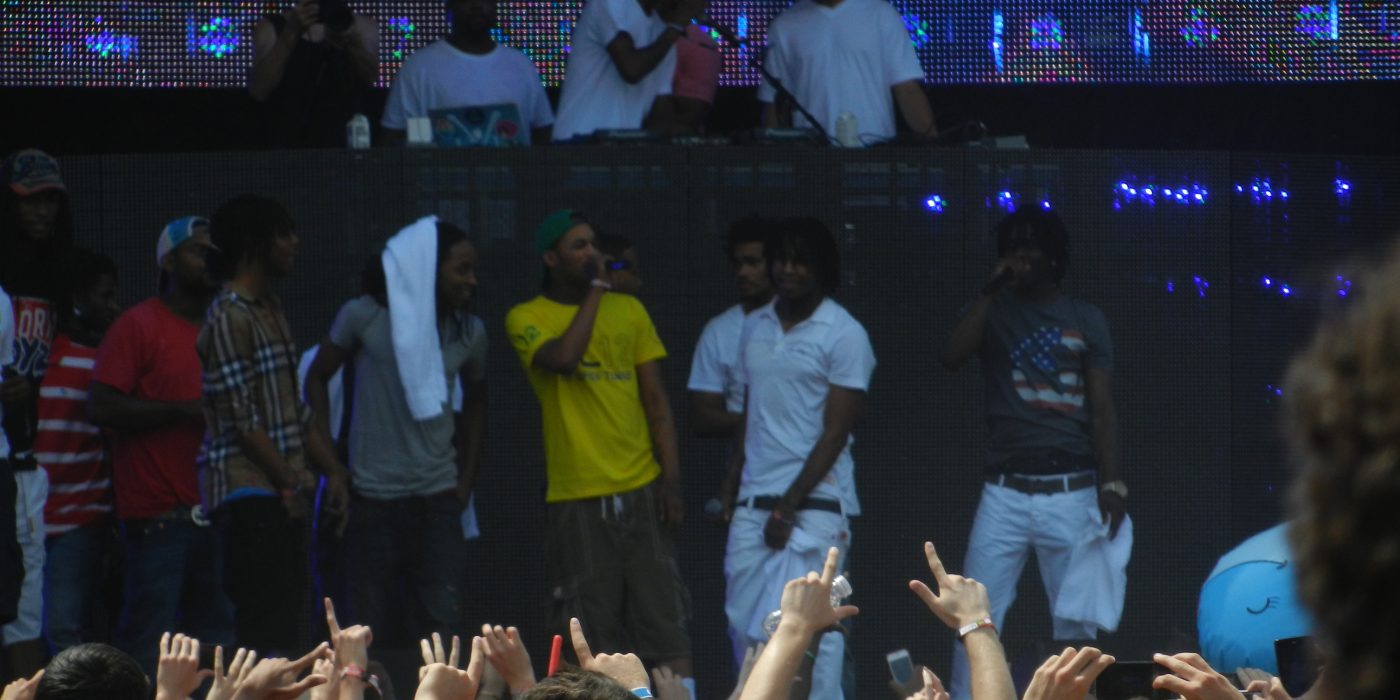
Drill started in Chicago around 2011 and 2012, in the South Side neighborhoods where Chief Keef and a loose network of teenage rappers were making music that sounded different from everything that came before it. The beats were slow for rap at the time, dark and minor-key, produced primarily by Young Chop, who understood that the emotional weight of what these songs were describing required a different sonic foundation than the trap beats that were dominating the South. The rapping was not technically elaborate. It was deliberately flat, almost monotone, delivered as if the lyrics described facts rather than performances. The combination was striking and new, and it spread faster than anyone expected.
Chief Keef’s “I Don’t Like” arrived in 2012, and by the time Kanye West reached out to remix it, the genre had already moved beyond Chicago. What Keef and his contemporaries, Lil Reese, Lil Durk, Fredo Santana, had created found immediate purchase in other cities, other countries, other contexts. UK drill emerged in London, taking the Chicago template and filtering it through grime and British road culture, producing something that was recognizably related to the original but distinct in every measurable way. New York drill followed, with producers like Sheff G and Brooklyn Drill acts pushing the aesthetic into different rhythmic territory. Now, in 2026, with Chief Keef releasing new music this week, the genre he helped create has been absorbed into the mainstream so thoroughly that its influence shows up in places that would not describe themselves as drill at all.
The genre’s reception has always been complicated. Drill was subject to intense scrutiny from the start, with critics, politicians, and law enforcement in multiple cities arguing that the music caused or at minimum enabled violence. This argument tends to get applied selectively, and it was applied to drill with a specific intensity that reflected anxieties beyond music. What the genre actually did was document something honestly, which is uncomfortable in ways that critics of content often find easier to condemn than to process.
Musically, drill’s influence is now so diffuse it can be hard to track. The low tempos and minor-key atmospherics show up in UK rap, pop production, and even in corners of R&B that would seem distant from the genre’s origins. The monotone vocal delivery has been absorbed into mainstream rap as one available mode among many. When a pop star’s track has an ominous, sliding bass line under a deliberately flat vocal hook, that is drill’s fingerprint, even if the song itself would never be categorized that way.
What the original Chicago wave produced was not just a genre. It produced a template for how geographic scenes can develop their own sounds from limited resources, circulate them globally through the internet, and watch those sounds get appropriated, celebrated, and sometimes distorted beyond recognition as they travel. Drill is a case study in how music moves in the streaming era, and the original artists, many of whom are still making records and performing, are still determining where the form goes next.
Drill is interesting to me because honestly that beat pattern , the sliding bass, the slow creep of it , hits in a way that makes you want to move even when the lyrics are telling you something dark. There’s this contradiction in the music that’s almost cinematic. Not my usual thing but I respect a genre that can hold that kind of tension and still make your body respond.