 Into The Music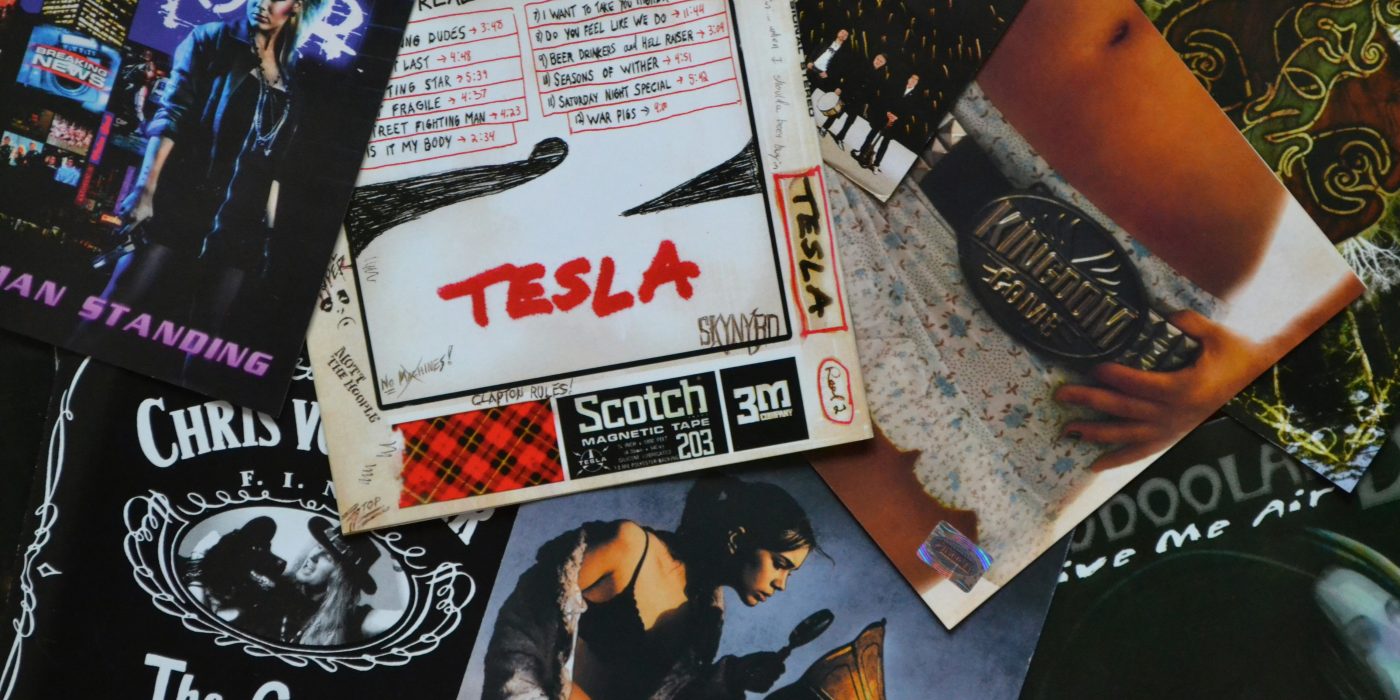
Three major box sets hit the market in March 2026. Van Halen’s 5150 got an expanded anniversary edition. Rush celebrated Grace Under Pressure at forty years with a dense multi-disc package. Talking Heads released Tentative Decisions: Demos and Live, a triple-disc set pulling from the band’s archival recordings. Taken together, they represent something that has become too consistent to be coincidental: the music industry running a thriving parallel economy in the past.
The reissue business is not new. Labels have always understood that catalog generates revenue without requiring new recording costs. But the current wave feels different in scale and ambition, and understanding why requires looking at what has changed in the last decade.
Streaming fundamentally altered how catalog music gets consumed. When back catalogs became freely available to every subscriber, plays from older material started contributing to label revenue in a way they had not during the download era. That created a financial incentive to keep older artists culturally visible, which in turn made the reissue a promotional tool as much as a revenue stream. A well-executed box set drives streams. Streams generate publishing income. The anniversary release becomes a flywheel.
At the same time, the vinyl resurgence gave labels a physical product to sell at a price point that physical music had not sustained in years. A premium box set with vinyl pressings, liner notes, photos, and archival material can retail for well over a hundred dollars. The audience willing to pay that is smaller than the streaming audience, but they are intensely motivated. Record Store Day alone has demonstrated repeatedly that dedicated music buyers will line up early and pay a premium for the right release.
The Grace Under Pressure set is instructive because Rush fans are exactly the kind of buyers labels dream about. Deeply knowledgeable, fiercely loyal to specific eras of a band’s catalog, and willing to invest in archival depth. The same logic applies to Talking Heads. Tentative Decisions arrives with extensive liner notes and previously unreleased recordings from the band’s early years, material that functions as both a historical document and a reason for longtime fans to spend money again on music they already own in some form.
There is a cultural function here beyond the economics. Box sets and anniversary editions do something that streaming cannot: they frame music as an object worth preserving, studying, and returning to. The liner notes matter. The photos matter. The demos matter because they show the gap between what an artist imagined and what they built. That gap is often where the most interesting information lives.
The Van Halen 5150 anniversary arrives at a moment when the band’s legacy is being reassessed in several directions at once. The album marked Sammy Hagar’s debut with the band and remains contested ground for fans who aligned with either era. An expanded version reopens that argument with new evidence, which is exactly what a good reissue is supposed to do.
The criticism of the reissue economy is real and worth engaging with. When labels prioritize catalog over new artist development, when anniversary editions crowd out new releases in physical retail, when the same records get repackaged every decade regardless of whether anything genuinely new has been added, the format starts to look like nostalgia extraction rather than archival preservation. Some releases are more honest than others about what they are offering.
But the best reissues do something valuable. They make a case that music has a life beyond its initial release, that the context surrounding a record changes what you hear when you listen again, and that the past is not a fixed thing but something that keeps being renegotiated. The three major anniversary releases of March 2026 do that work with varying degrees of success. The fact that they exist at all, and that people will buy them, says something about what music still means to the people who care most about it.