 Into The Music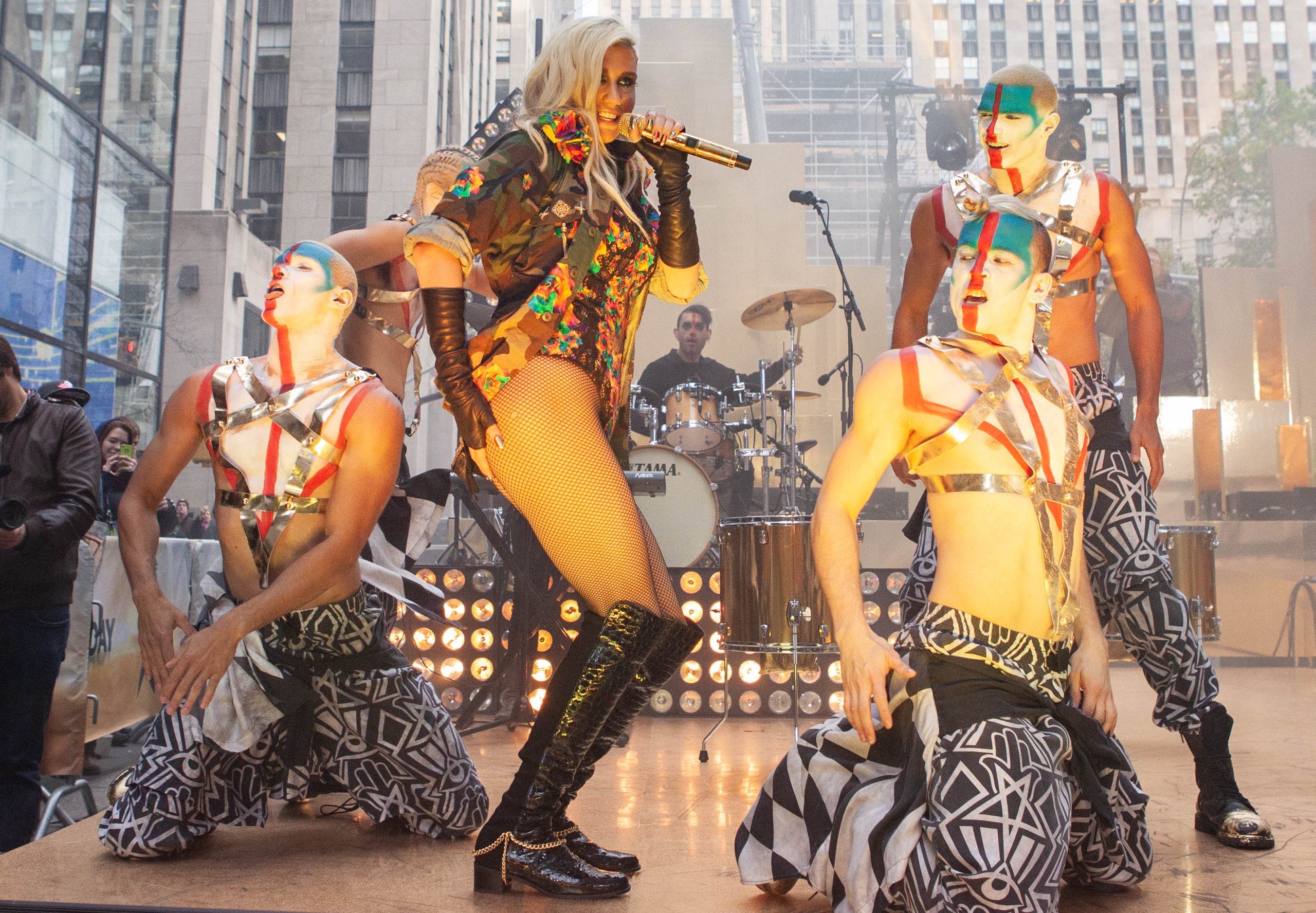
Kesha is one of the more complicated figures in pop music, not because her music is complicated, but because everything that happened around her makes it impossible to talk about the songs without talking about the story. The question is whether that is unfair to the songs, or whether the story is inseparable from the music, or whether, at this point, she has separated herself from the story enough that a clean assessment is possible. The answer is probably all three.
She arrived in 2010 with TiK ToK and immediately defined a sound: glitchy, trashy, deliberately low in dignity, and infectious in a way that critics hated and audiences loved. The narrative around her early records was that she was a party music act with a limited ceiling. That was wrong. The ceiling was just being drawn in the wrong place.
Rainbow, her 2017 comeback after years of legal battles with her former producer, changed how people heard her. Not because it reinvented her sound, though it leaned harder into country and classic rock than anything she had done before. What changed was that it demonstrated what she was actually capable of when the production allowed her to be heard. Praying, the opening track, is a devastating piece of writing performed with total commitment. It is not a pop star doing a moment. It is a songwriter reckoning with something real.
She has the same gift Taylor Swift built an empire on, which is the ability to take a feeling that is common and express it in a way that feels specific and earned. The difference is that Kesha’s version of that gift got interrupted for a very long time by circumstances that were not her fault, and the pop landscape moved while she was standing still.
Gag Order, released in 2023, was the strangest thing she had done, produced by Rick Rubin with a minimalism that felt like the opposite of everything her early career represented. It divided people in a way that Rainbow had not, which is always a good sign. An artist who no longer divides anyone has usually stopped taking risks.
The Freedom Tour announced for 2026 brings her back to stages in a new context. Enough time has passed from the immediate aftermath of the legal situation that the shows will probably be received more as music events than as rallies or catharsis sessions, which is presumably what she wants. The catalog holds up. The early records have aged into something camp and fun in the best way. The later records have a weight that was not there before.
What Kesha is, in 2026, is an artist who survived an industry that failed her and found a way to keep making music on the other side of it. The music she makes now carries that history without being defined by it. That is the actual accomplishment, the one that does not show up on charts or in awards. The ability to stay in the room and keep going. She has done that, and the tour is proof it is still worth seeing.