 Into The Music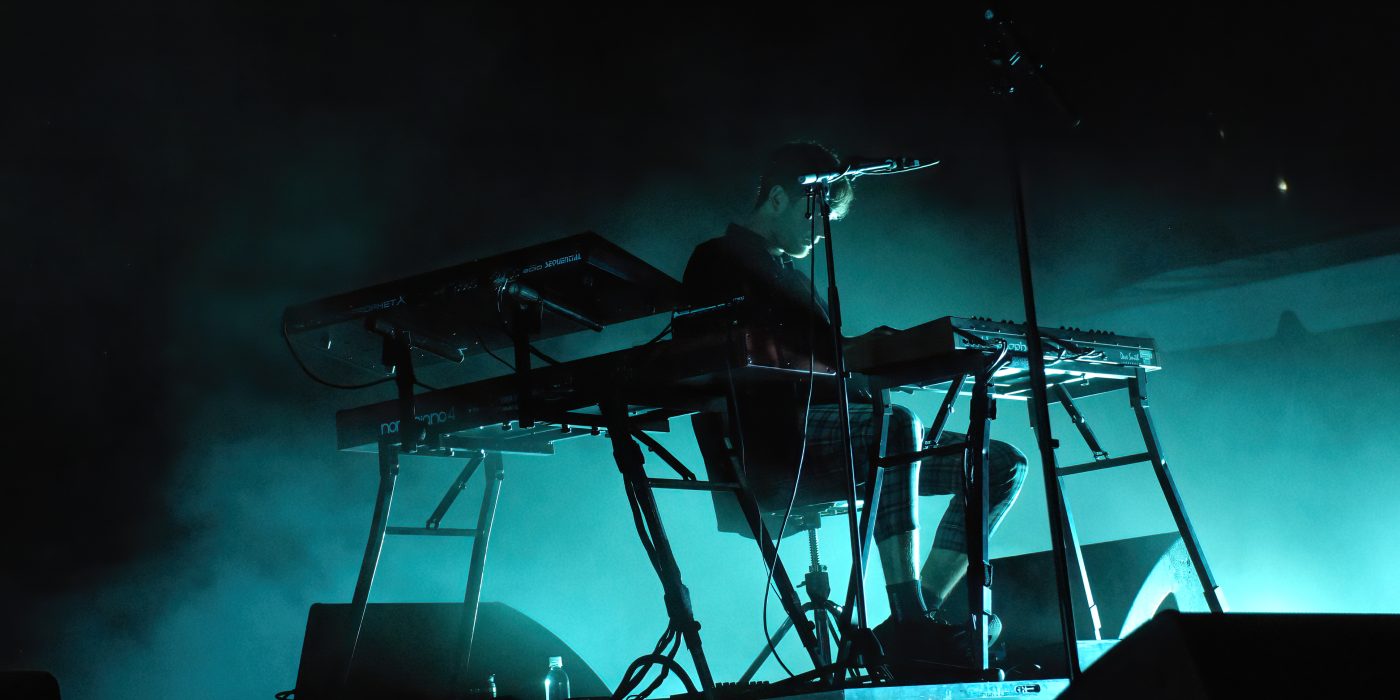
When Kanye West released Bully on March 28, James Blake did something that almost no collaborator in pop music ever does. He publicly asked for his credit to be removed. Not because he was not paid. Not because of a personal dispute. Because, in his own words, the final version of the track was “not what I created.”
Blake is credited on the album’s closing track, “This One Here.” His involvement was real: he contributed pitched vocals and helped construct the initial production from a freestyle. But by the time the record shipped, additional vocal takes and other alterations had changed the “spirit” of his work to the point where he did not want to claim it. He was clear that he was not bitter about the fans and not interested in drama. He simply did not want credit for something that was not his.
This is a small thing and also a very large thing, depending on how you look at it.
In the short version, it is a dispute about creative attribution. Blake produced something, that something got changed, the change was substantial enough that he no longer recognized his contribution in the final product. That is not a unique situation. It happens constantly in collaborative music, especially in hip-hop, where producers and artists often work through iterations and the final version may look nothing like the original session. What is unusual is that Blake said so out loud, specifically, and immediately.
The longer version involves a set of questions about what credit actually means in contemporary music production. When a producer’s work is substantially altered before release, do they owe credit for the final version? When an artist with a distinct aesthetic and reputation contributes to a project that pushes that aesthetic into territory they did not choose, are they responsible for what the audience hears? These are not new questions. But they rarely come this close to the surface.
Blake and West have a complicated history. They worked together on an unreleased project called War in 2022. That record never came out. The collaboration continued quietly until it became public in a way neither party likely intended. Blake’s statement was careful. He did not name West by name. He did not make accusations. He made a statement about authorship that was, if anything, almost too precise for the emotional terrain it was navigating.
What it reveals is how fragile the idea of credit is when you are working inside someone else’s project. In a film, a director can cut a scene that a cinematographer spent weeks lighting perfectly. The cinematographer still gets credit for everything that made it to the screen, and everyone understands that the director makes final decisions. Music does not have that kind of clear hierarchy, and the question of who “owns” a collaboration is genuinely contested in ways that legal credits do not resolve.
Blake’s position implies a standard of creative integrity that is not widely shared in commercial music. Most collaborators take the credit and move on, because credit is currency and you do not spend it by asking to be removed from a high-profile release. His decision to do otherwise suggests he values something other than exposure. That is either admirable or self-defeating, depending on how you assess the economics of reputation.
There is also the specific context of Bully, which is a record West had been teasing since 2024, that went through multiple formats and frameworks before arriving on streaming services. He had made statements about using AI in the album, then contradicted them. The record arrived in a state of some ambiguity about what it was and how it was made. Into that ambiguity, Blake’s statement introduced a clear human voice saying: I was here, and then I was not, and I would prefer you know the difference.
The gesture is small. The principle it points to is not.