 Into The Music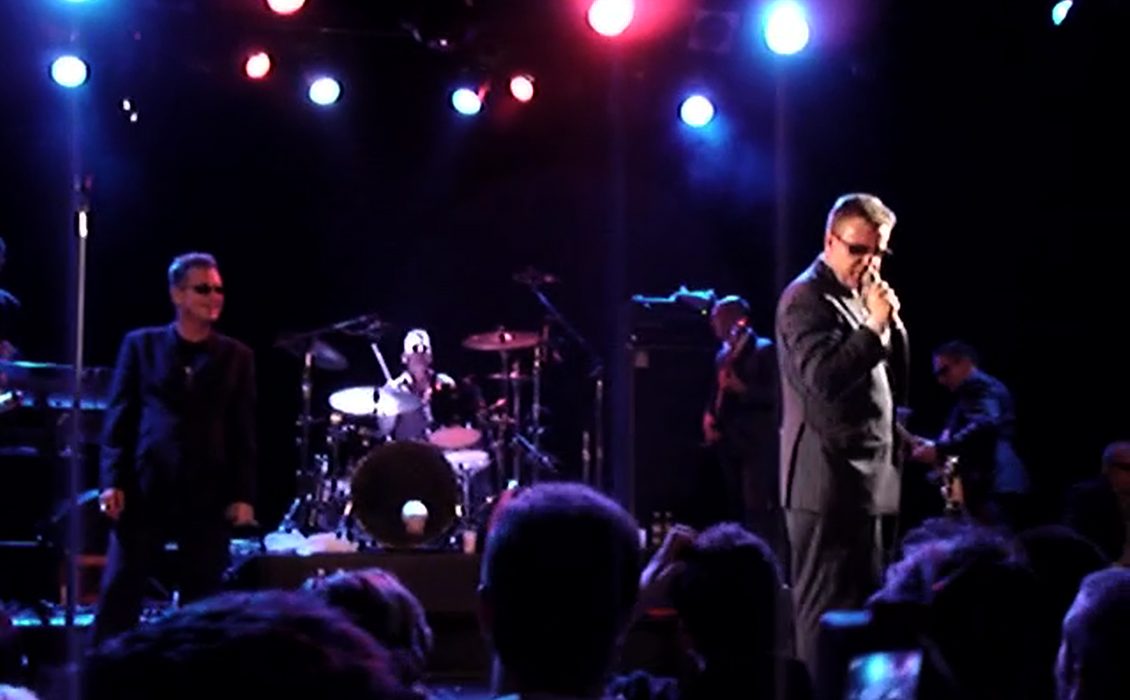
Ska is one of those genres that never entirely goes away and also never quite gets the sustained critical respect its influence deserves. It shows up in waves, generates a moment of genuine cultural traction, gets mocked, and then disappears into the background where it keeps influencing things quietly until the next time someone notices it. With Sublime announcing their first album in thirty years, it feels worth pausing to actually think about what ska is, where it came from, and why it refuses to die.
The origin is Jamaica in the late 1950s and early 1960s, when Jamaican musicians were absorbing American R&B and jazz from radio stations and adding their own rhythmic inflections. The defining characteristic is the offbeat emphasis on guitar and piano, the “skank” pattern, which gives ska its distinctive loping feel. Artists like Prince Buster, Desmond Dekker, and the Skatalites were among its early definers. Before reggae, before dancehall, before dub, there was ska.
The first wave was Jamaican. The second was British. When Jamaican immigrants arrived in the UK in the 1970s, they brought the sound with them, and it collided with the working-class punk scene to produce two-tone ska, a genre with an explicit anti-racist, anti-fascist politics built into its name. The Specials, Madness, Selector, and the Beat were the central acts. The music was fast, funny, political, and genuinely beloved. “Ghost Town” by the Specials arrived in 1981 during a period of riots and economic collapse, and it sounded exactly like what the country felt like. That is rare for any genre in any era.
The third wave is what most American listeners of a certain age think of when they hear the word ska. The 1990s. Reel Big Fish. Less Than Jake. Streetlight Manifesto. Sublime, who folded ska, reggae, punk, and hip-hop into something that was technically impossible to categorize and practically unavoidable on alternative radio. Operation Ivy, whose members went on to found Rancid, were earlier and arguably more important. The third wave was big enough to register as a mainstream moment and then die in the way only a mainstream moment can die, with parody and overexposure following closely behind commercial success.
What got lost in the mockery is how interesting ska actually is as a rhythmic system. The offbeat emphasis creates a physical sensation that is different from almost anything else in Western popular music. It does not push forward in the same way rock does. It bounces. It syncopates. It makes bodies move in a way that is sideways to standard four-four time, and that is harder to do well than it looks.
The current moment is interesting. Catbite, a Philadelphia-based ska band, has built a genuine following through touring and social media without a major label push. The Save Ferris vocalist reunited with some members for a brief run. The Specials and Madness continue to perform to substantial audiences in the UK. Streetlight Manifesto, who stopped releasing music for years due to label disputes, remain one of the most devoted live followings in the genre. And now Sublime is back, more or less, with a record that promises to stay close to the sounds that made them famous.
None of this constitutes a “ska revival” in the 1990s sense. That era of mainstream crossover is probably not coming back. But the genre does not need a revival. It has been consistently present for sixty-five years, in different forms, across different countries, with different politics attached to it. The mockery phase is its own kind of tribute. You do not mock genres that do not matter.
Ska matters. It is also ridiculous and joyful and politically serious and completely willing to be uncool. That combination is rarer than it sounds.
sixty-five years and still getting called a novelty. if Sabbath had a horn section we’d call it a movement.