 Into The Music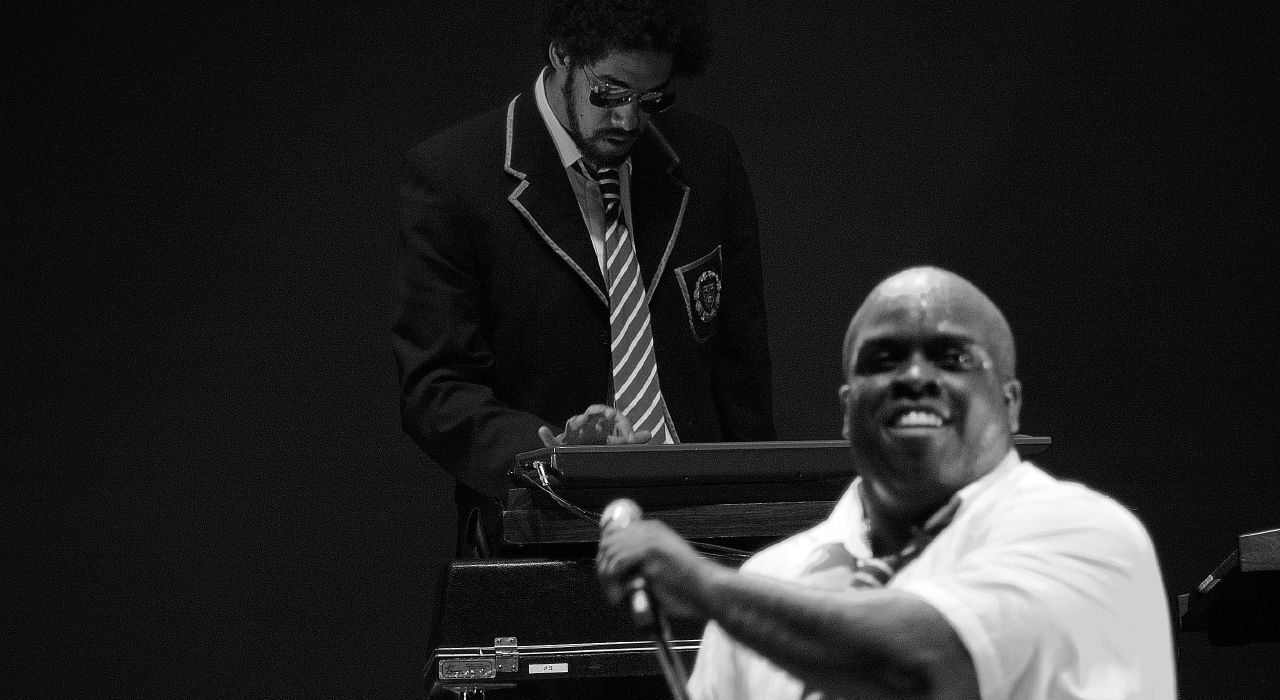
Gnarls Barkley’s Crazy was number one in the UK for nine weeks in 2006. It was the first song to reach that position based solely on download sales. It was inescapable, era-defining, the kind of song that attaches itself to a moment in time and refuses to let go. And then the duo more or less stopped.
Their second album, The Odd Couple, arrived in 2008 to solid but not spectacular reception. The momentum had shifted. CeeLo Green pursued solo stardom, which he found in spectacular fashion with “Forget You” in 2010. Danger Mouse, always the more restless and prolific half of the partnership, spent the intervening years producing records for Adele, Beck, Red Hot Chili Peppers, and U2 while building out Broken Bells with James Mercer. The Gnarls Barkley project seemed to dissolve by mutual unspoken agreement.
Eighteen years later, they made Atlanta.
The album, released March 6, 2026, is their final one. They have said so directly: this is the last Gnarls Barkley record, a closing statement from a partnership that never really ended so much as paused indefinitely. The fact that they came back to close it properly, rather than leaving it permanently in that ambiguous limbo of bands who simply stop, says something about both artists. Atlanta is not a victory lap. It is a reckoning.
What does the album actually sound like? It sounds like Gnarls Barkley, which is both obvious and necessary. The soulful theatricality of CeeLo’s voice has not dimmed with age; if anything, it has deepened, picked up more texture and weight. Danger Mouse’s production remains what it always was: genre-fluid, cinematic, operating from a deep library of influences without being beholden to any of them. Gospel, funk, psychedelia, hip-hop, something almost orchestral. The album’s spirit is, as CeeLo described it in press materials, one of self-discovery. The sweet and the sad and the strange, all braided together.
The lead single, “Pictures,” released in late February, established the tone immediately. It is a meditation on memory and identity that operates at a level of emotional complexity you would not necessarily expect from a comeback single. It does not announce itself loudly. It builds quietly and then opens up into something enormous. That architecture is very Danger Mouse. That emotional content is very CeeLo.
What makes Atlanta worth dwelling on is not just the music but what the title signals. This is not a nostalgic project. Atlanta is where these two men found each other, the city that gave the collaboration its roots. Calling the album Atlanta and saying it is the last one is not just a geographic reference. It is a full circle. We started here, they are saying, and this is where we finish.
The music business has a complicated relationship with finality. Farewell tours come and go. Final albums turn out not to be final. But there is something about the way Gnarls Barkley has operated, always on their own terms, always choosing when to work and when to step away, that makes the finality of Atlanta feel genuine. They could have stayed apart. They chose to close the door properly instead.
Whether Atlanta fully delivers on the legacy of St. Elsewhere is a debate worth having. The earlier album was a genuine disruption, a record that appeared from nowhere and changed what was possible in the conversation between alternative music and mainstream radio. Atlanta is not that. It could not be, and it is not trying to be. It is something different: a mature, considered statement from two artists who know exactly what they made together and are choosing to honor it on their way out.
That is rarer than it sounds.