 Into The Music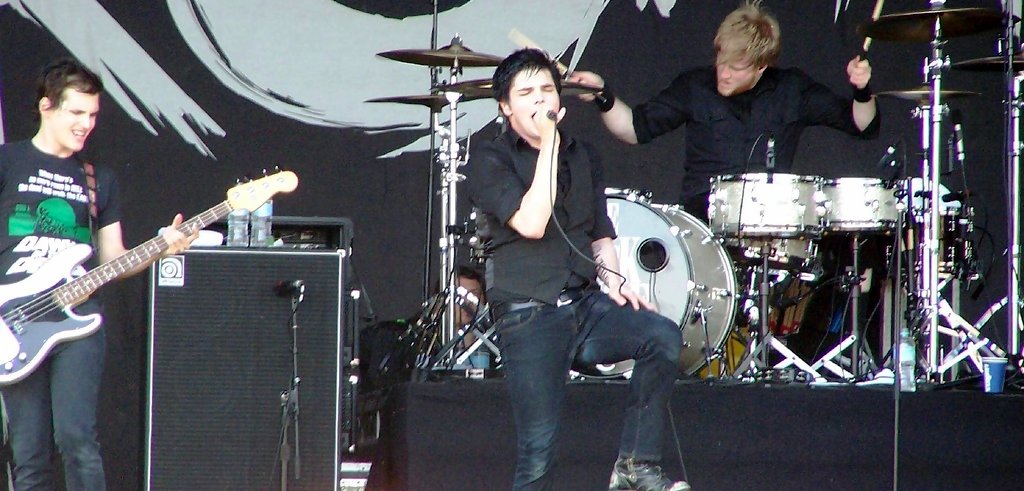
Emo is one of those genres that people have been eulogizing since roughly the moment it became visible, which suggests either that it keeps dying or that it never actually does. The record shows it is the second thing. Emo keeps getting declared over and keeps producing records that make the declaration look embarrassing.
The genre has roots in the Washington, D.C. hardcore scene of the mid-1980s, where bands like Rites of Spring started writing songs that were more confessional and emotionally direct than what punk had been doing. The label “emotional hardcore” was applied, shortened to “emo” with the particular efficiency of music journalism, and the word stuck even as the music changed dramatically over the following decades.
By the late 1990s and early 2000s, emo had mutated into something that looked nothing like its origins but retained the core proposition: songs built around vulnerable emotional expression, often centered on grief, longing, romantic failure, and the specific pain of feeling like the world does not quite have a place for you. Bands like Jimmy Eat World, Dashboard Confessional, Saves the Day, The Get Up Kids were doing this in clubs and DIY spaces before the format went mainstream. My Chemical Romance, Taking Back Sunday, Fall Out Boy, Paramore took it to arenas and MTV and somewhere in that process the word “emo” became a descriptor for a look as much as a sound. The black hair. The skinny jeans. The eyeliner. The aesthetic was so coherent it became a costume, which is both a sign of cultural impact and the thing that eventually made the word feel like a joke to people who were not paying close attention.
The “emo is cringe” period was real but relatively brief in the long view. By the 2010s a critical reappraisal was underway. The same albums that had been dismissed as melodramatic were being reconsidered as emotionally sophisticated. “The Black Parade” does not sound smaller with distance. It sounds more ambitious. Fall Out Boy’s early catalog has weathered better than most of its critics have.
Emo also never stopped being made, which is easy to miss if your definition of the genre is limited to the Hot Topic era. The so-called “emo revival” of the early 2010s brought bands like American Football (who had originally released their most beloved album in 1999 to minimal attention), The Hotelier, Foxing, Modern Baseball, and Sorority Noise into rooms that were very full of people who had been waiting for this. The music was quieter and more oblique in places but the emotional core was identical. Vulnerability. Specificity. The feeling of being understood by something recorded in someone’s basement.
What emo figured out that a lot of genres have never managed is that specificity is not a barrier to connection. The more precise the emotional situation being described, the more people recognize themselves in it. A song about a specific drive home after a specific breakup on a specific kind of night does not narrow the audience. It widens it, because everyone has a version of that drive and the specific one in the song gives them permission to think about their own.
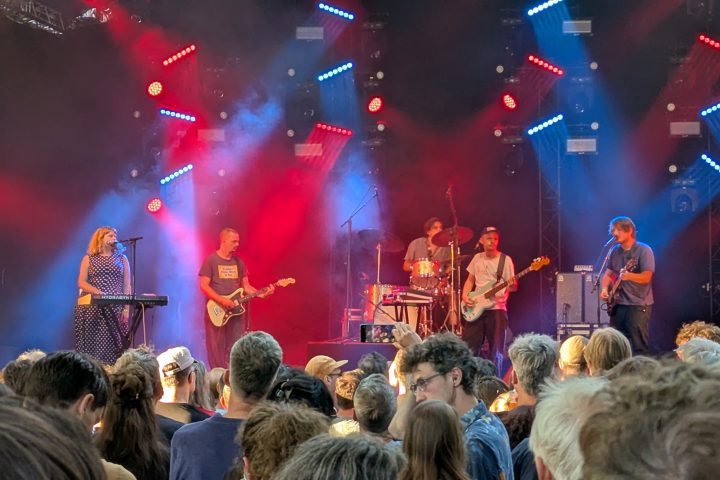
In 2026 the emo lineage is dispersed through pop, through indie, through country-adjacent singer-songwriting, through hyperpop, through places that do not use the word but are clearly in conversation with the tradition. Artists working explicitly in emo or post-emo territory continue to tour to devoted audiences. The genre has its own streaming playlists, its own festivals, its own corners of the internet where the arguments about what counts and what does not continue at the same pace they always have.
None of this should be surprising. Emo solved a problem that is not going away: what do you do with feelings that are too large and too specific to be expressed in the terms your immediate social context provides. The answer the genre arrived at, put them in a song and perform them loudly in a room full of strangers, turns out to be an answer that does not expire.
I’ll tell you something , I was in my thirties when my daughter brought home a Jawbreaker tape and I thought the world had ended. I didn’t understand it at all. But years later when she went through a truly hard time in college she called me and said that music was the only thing that made her feel less alone through it. So I had to revise my thinking. I never became an emo fan exactly but I stopped dismissing it after that. A language is a good way to describe it , not everyone speaks it but the people who do really mean it.