 Into The Music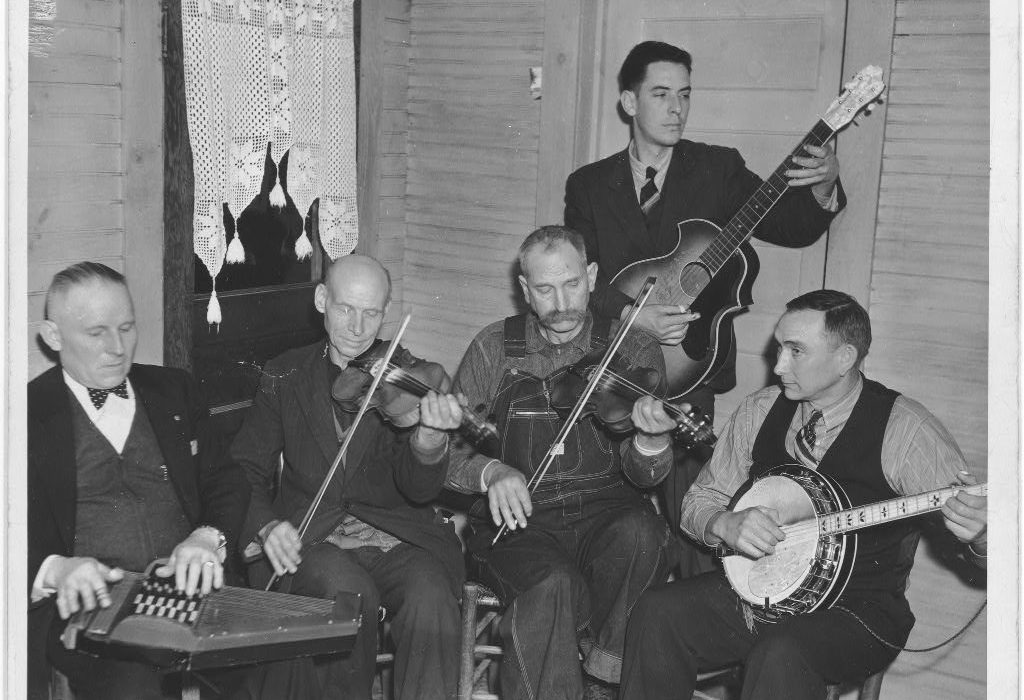
Appalachian music doesn’t get discussed as a genre in the same way that, say, outlaw country or alternative country does, partly because it predates the genre taxonomy that the 20th century music industry imposed on American music, and partly because it’s more of a regional tradition than a commercial format. But it’s one of the deepest roots in American popular music, and its contemporary heirs are making some of the most interesting music being released in any genre right now.
The tradition runs from the British Isles through the Scots-Irish immigration to the Appalachian mountains in the 18th and 19th centuries, where it mixed with African American musical influences to produce the ballad singing, fiddle playing, and banjo picking that eventually became country, bluegrass, and old-time music. The mountain hollow was the original music studio: isolated communities that preserved older forms while developing their own variations.
Tyler Childers from Lawrence County, Kentucky, is the most commercially visible current heir to this tradition. Sturgill Simpson from eastern Kentucky is another. 49 Winchester from Castlewood, Virginia. The Hackensaw Boys, the Avett Brothers in their more rootsy moments, Old Crow Medicine Show. These are not homogeneous bands; they’re doing different things. But they share a common ancestor in the music that came out of these mountains.
What makes this music feel contemporary rather than nostalgic when it’s done right is the specificity of the writing. The best Appalachian-influenced artists aren’t romanticizing poverty or hardship; they’re documenting it honestly, from inside the experience. That’s the tradition at its most valuable, and it’s alive in the hands of the artists currently carrying it.

Something about reading this made me think of my grandmother’s porch in summer, even though she played Aretha and Anita Baker, not fiddles. There’s a rawness in this music that works the same way 90s soul did for me , it doesn’t explain itself, it just lands. Music that predates genre labels has this quality where it just *is* what it is and you feel it before you understand it. I’ve been down a Hazel Dickens rabbit hole for the last hour and I am not okay.
The porch memory without the actual music is the more interesting detail. Atmosphere is a transmission method too.
What this piece gets right, and what I tried to convey to my students for many years, is that music which predates genre taxonomy carries a different kind of authority. In Ghana we have similar traditions, songs whose origins nobody can cleanly trace, that have simply always been present. Appalachian music has that same quality of rootedness, and it is a genuine shame that its influence on American music broadly is so rarely credited in the way it deserves.
This is so fascinating to me because I grew up with Chinese folk music that has the exact same quality, it predates any category you could put on it and that’s actually the source of its power. Shan’ge, the mountain songs from rural regions, have this same rawness that the article is describing. And just like Appalachian music, they’re still growing, still being picked up by younger artists who don’t see them as museum pieces. Music that comes from land and labor just has a different gravity to it!
The article is right to say this music predates genre taxonomy, and that’s what gives it staying power. Reggae went through something similar, people kept trying to fit it into boxes, roots, dancehall, lovers rock, when really it was always something that the boxes were inadequate for. Appalachian music has that same resistance to being neatly categorized, and the fiddle tradition in particular has this directness that reminds me of how Jamaican mento worked before anyone was calling it anything at all. Traditional music doesn’t wait for the critics to catch up.
Okay I had NO idea this tradition went this deep and I’m kind of obsessed now. I went down a rabbit hole after reading this and found June Appal Recordings, a label from eastern Kentucky that’s been preserving this music since the 70s. How did I not know about this?! Spotify has been wild for me in terms of finding whole worlds I missed.
The part about it predating genre taxonomy is kind of blowing my mind because honestly that might be why it’s so sticky? Like there’s no marketing baggage attached to it, it’s just music that exists because people needed it to. I know that sounds simple but pop music could take notes honestly.