 Into The Music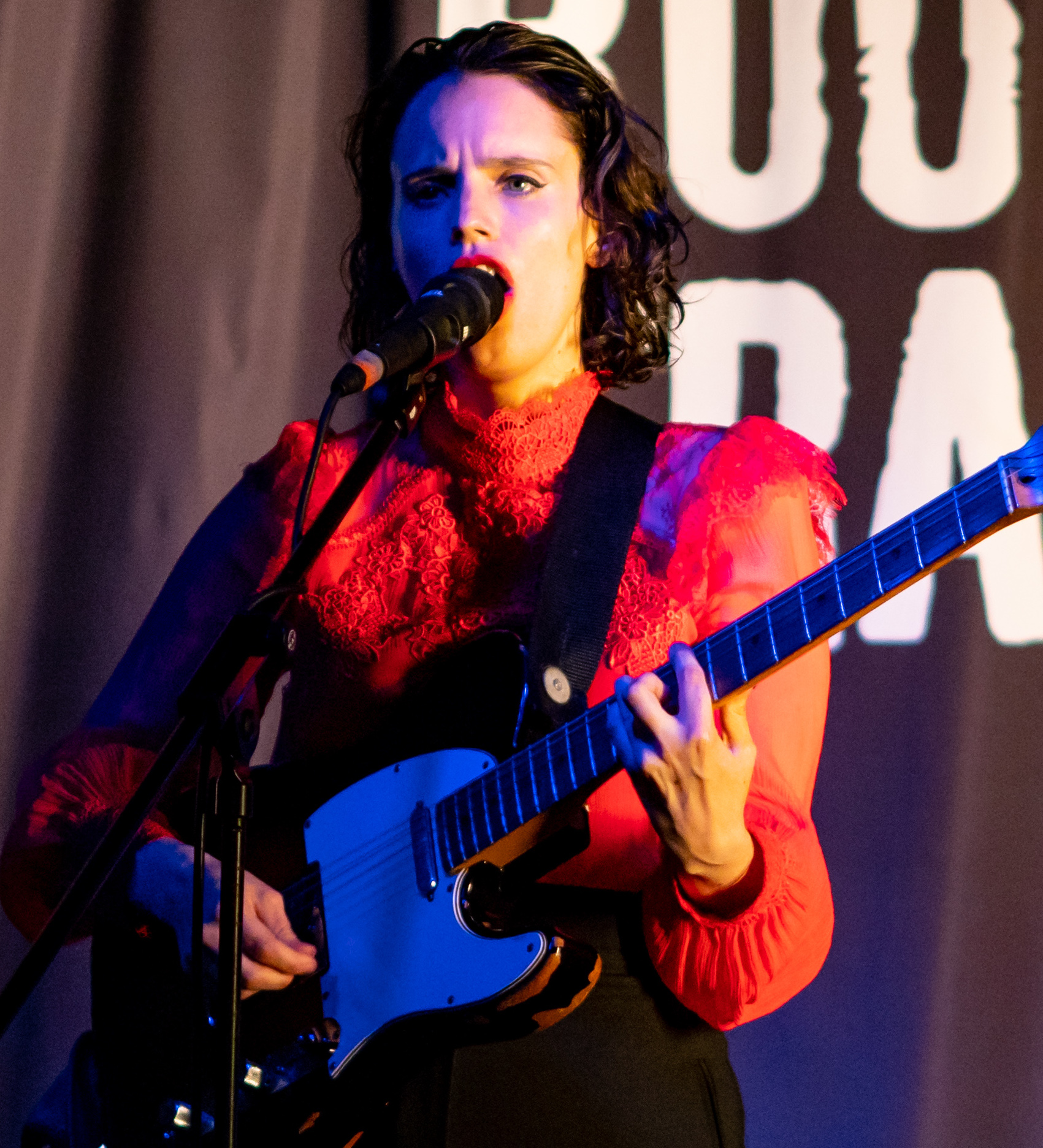
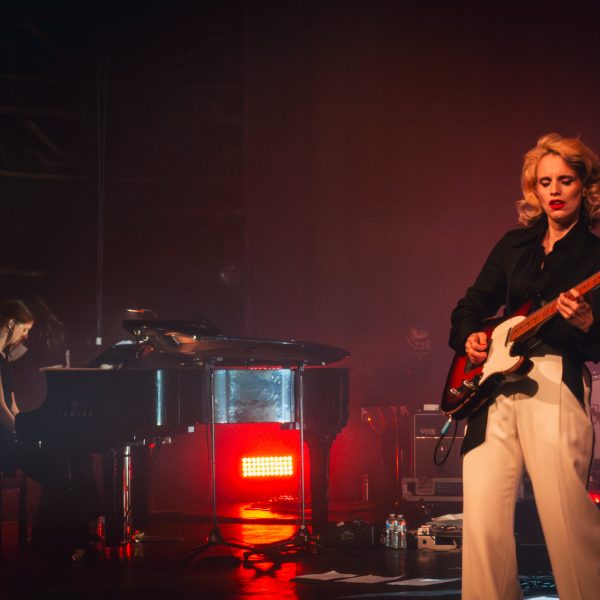
Anna Calvi does not fit anywhere neatly, which is probably why she keeps getting Mercury Prize nominations. Three of them, all for different albums, a record for a solo artist in the UK. The nominations are not the point but they signal something: critics keep coming back to her work without fully knowing what to call it, and that difficulty is a feature.
Calvi was born in Twickenham in 1980 and grew up playing violin before shifting to guitar. The guitar became her instrument in the way that certain instruments become extensions of particular people, not just something she plays but something she thinks through. Her influences run from Jimi Hendrix to Messiaen, from Patti Smith to Maria Callas, and that range is audible in her music, which can be operatic and ferocious in the same breath.
Her 2011 self-titled debut arrived without a lot of precedent. It drew comparisons to PJ Harvey and Jeff Buckley, which were not wrong but were not quite right either. Calvi’s guitar style borrows from flamenco and blues without being beholden to either tradition. The voice is a contralto that can carry enormous drama without tipping into performance. The combination felt singular then and still does.
One Breath in 2013 pushed deeper into the theatricality that was already present in the debut. Hunter in 2018 was the most direct statement she had made, a record about desire and gender and control that did not soften any of its edges. Her work scoring several seasons of Peaky Blinders ran parallel to the solo records and showed a composer’s instinct for building tension over time.
This March she released Is This All There Is?, an EP and the first installment in a planned trilogy of records built around identity as transformation. The idea grew partly from her experience of becoming a parent, and the collaborators she gathered for the project reflect the seriousness with which she approached it. Iggy Pop appears on “God’s Lonely Man.” Laurie Anderson shares “Computer Love,” a Kraftwerk cover that sounds nothing like what you would expect. Matt Berninger of The National joins the title track. Perfume Genius contributes to a cover of “I See a Darkness.”
The EP sounds like someone working through a question she is not ready to answer yet, and meaning it. There is nothing reflexive or comfortable in the choices. The collaborators are not there to add names to a tracklist. Each one changes the character of the song they appear on.
This summer she is scheduled to play Green Man festival and has support slots for David Byrne. She is also part of a Marianne Faithfull tribute at the Barbican alongside Jarvis Cocker, Rufus Wainwright, and Beth Orton, which is exactly the kind of company that makes sense for her.
Calvi is one of those artists who has built a reputation on the strength of the music alone, without significant mainstream radio presence and without fitting into any marketable genre box. That is a hard thing to sustain. She has sustained it for fifteen years. The second installment of the trilogy should be worth watching.