 Into The Music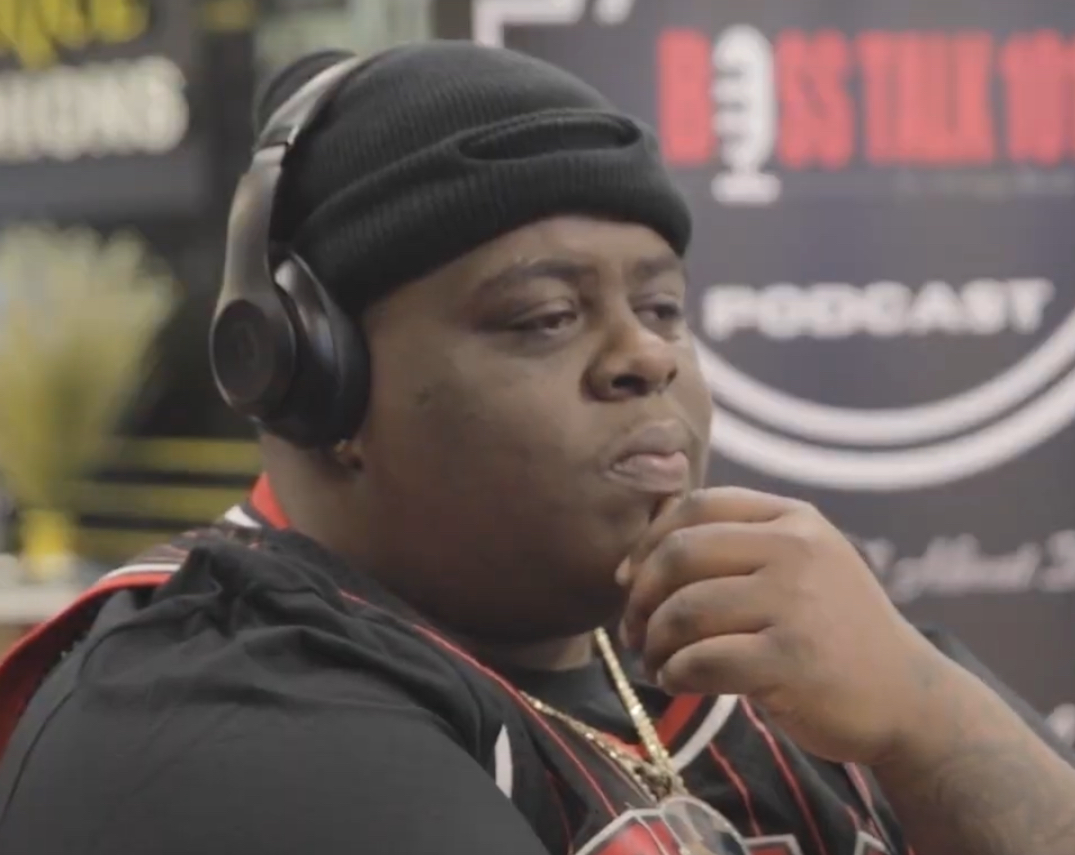
There is a version of the BigXthaPlug story where the Texas rapper stumbled into country music by accident, where the crossover read as opportunism or trend-chasing, where the whole thing gets filed under “unlikely genre fusion” and forgotten within a year. That is not what happened. What happened is that BigXthaPlug spent years building an audience in Dallas rap and then, when the moment arrived, decided he was not interested in being limited to it.
The Rolling Stone cover story out this week traces his arc with the kind of detail the story has earned. He was born Darius Wiggins in Dallas, and the city runs through his music with a specificity that separates him from rappers who use their hometown as branding rather than context. Dallas rap has its own cadences, its own relationship to the South without being purely Southern in the Atlanta or Houston sense, and BigXthaPlug absorbed all of that without being confined by it.
His swaggering early work, the kind of music that built his first real fanbase, drew on that Texas specificity and paired it with an almost cheerful confidence that stopped just short of arrogance. The instrumentals he favored were heavy and precise. The rapping was unhurried but never lax. He sounded like someone who knew exactly what he was doing and was not particularly interested in explaining it to you.
The country pivot, which really crystallized over the past year, came out of that same confidence. The move was not about trading audiences. It was about testing the limits of what his voice and his sensibility could do when placed against different musical structures. Country music gave him space for a different kind of storytelling, one that was slower, more explicit about its emotional stakes, less reliant on implication and attitude. He did not abandon his Texas rap personality when he crossed over. He brought it with him.
That willingness to carry his identity across genre lines is what makes the crossover interesting rather than just newsworthy. A lot of artists who attempt genre blending try to become something new. BigXthaPlug tried to stay exactly who he is and see what happens when that person shows up somewhere unexpected. What happens, it turns out, is that the unexpected place gets more interesting.
His live show has grown substantially over the past eighteen months. He was always a performer who could hold an audience, but the expanded setlist that draws from both sides of his catalog has given his shows a wider arc, a sense that they can go in multiple directions and that the energy does not depend on maintaining one particular temperature throughout.
The question the Rolling Stone piece wrestles with, and the question his career raises honestly, is what comes next when you have already crossed the boundary that everyone said you could not cross. The ambitious artists are not the ones who find success at the intersection of two genres and set up camp. They are the ones who treat that intersection as a jumping-off point rather than a destination. By every available evidence, BigXthaPlug understands the difference.