 Into The Music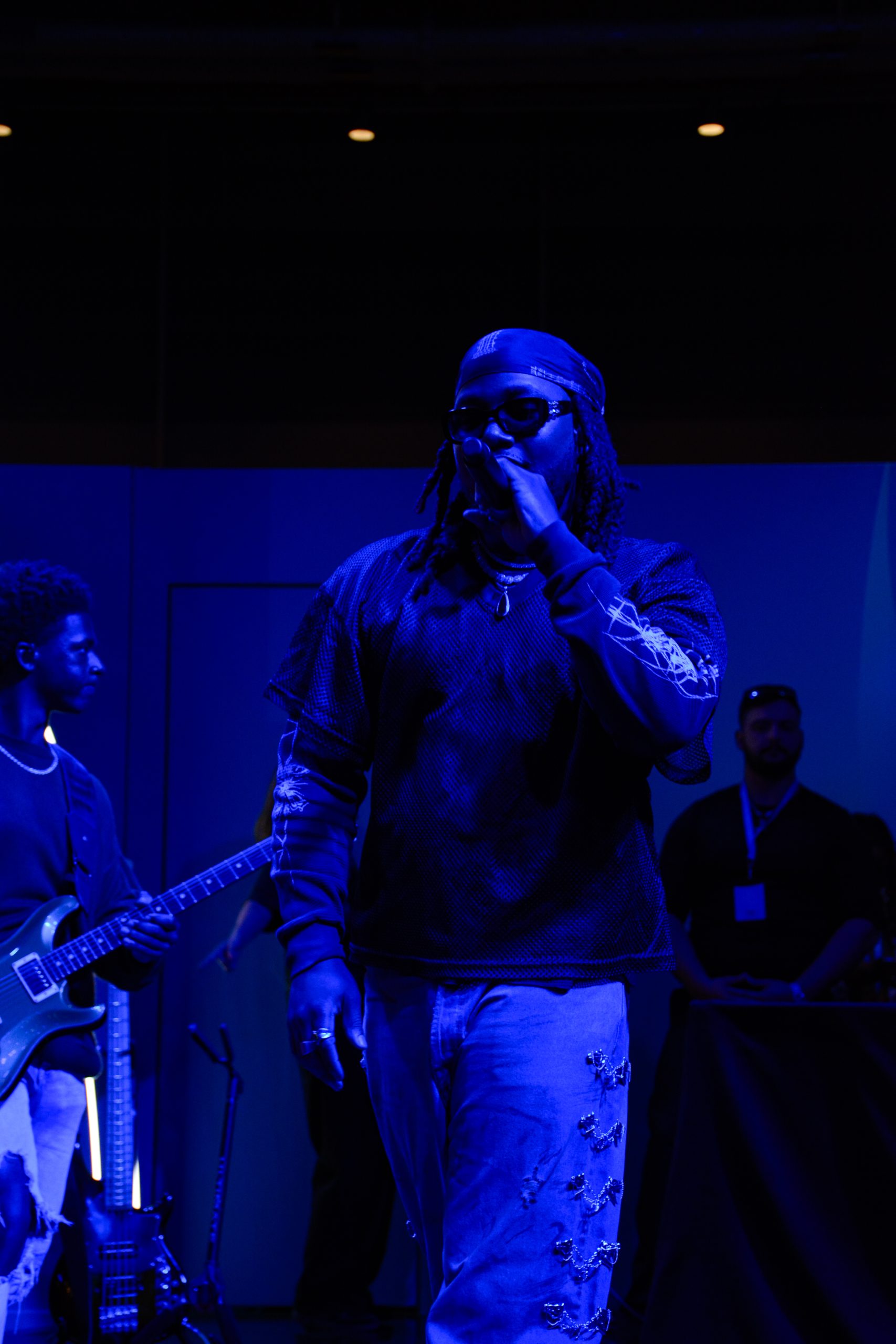
Leon Thomas has been in rooms you know about for most of his life without getting the credit that goes with it. He was a child actor, a Nickelodeon regular, a collaborator and songwriter who appeared in other people’s credits while building something of his own in the background. The musician who arrived with “MUTT” in 2022 and then “Smoke” felt like a debut that had actually taken ten years to become possible.
What makes Thomas interesting as an artist is the quality of his tension. R&B is a genre full of smooth surfaces, and Thomas does not particularly want to be smooth. He wants to be uncomfortable in a way that feels earned, not affected. His voice can melt into a melody and then suddenly crack open, and the production choices he gravitates toward tend to reward that quality: beats that feel slightly off-balance, arrangements that let silence do structural work.
He has talked in interviews about D’Angelo as a reference point, about defiance as an emotional mode, about the space between what people expect from R&B and what he is actually trying to make. These are not idle influences or positioning statements. You can hear them. The albums do not sound like someone trying to be D’Angelo; they sound like someone who understood what D’Angelo unlocked and went somewhere else with the key.
Thomas grew up in Brooklyn, studied music seriously, and spent years in rooms where his role was to make other people sound better. That background is part of why his own work sounds so considered. He understands arrangement at a craft level, not just instinct. When a song strips down to almost nothing, it is a choice, not a budget limitation. When the production gets dense and layered, that is also a choice. The control is audible.
There is something else going on in his work that is harder to name but worth noting. Thomas writes about vulnerability without aestheticizing it in the way that has become common in a certain strain of introspective R&B. The feelings are present, and they are complicated, and they are not necessarily resolved by the end of the song. That refusal to tidy things up is part of what gives the music its weight.
He is at an interesting point in his career right now, past the initial breakout and still in the process of defining what a Leon Thomas album actually is over the long term. The evidence so far suggests he is building something that will matter. He has the voice for it, the taste for it, and enough genuine things to say that the songs do not feel like exercises.
That combination is rarer than it should be. Leon Thomas has it, and he is just getting started.