 Into The Music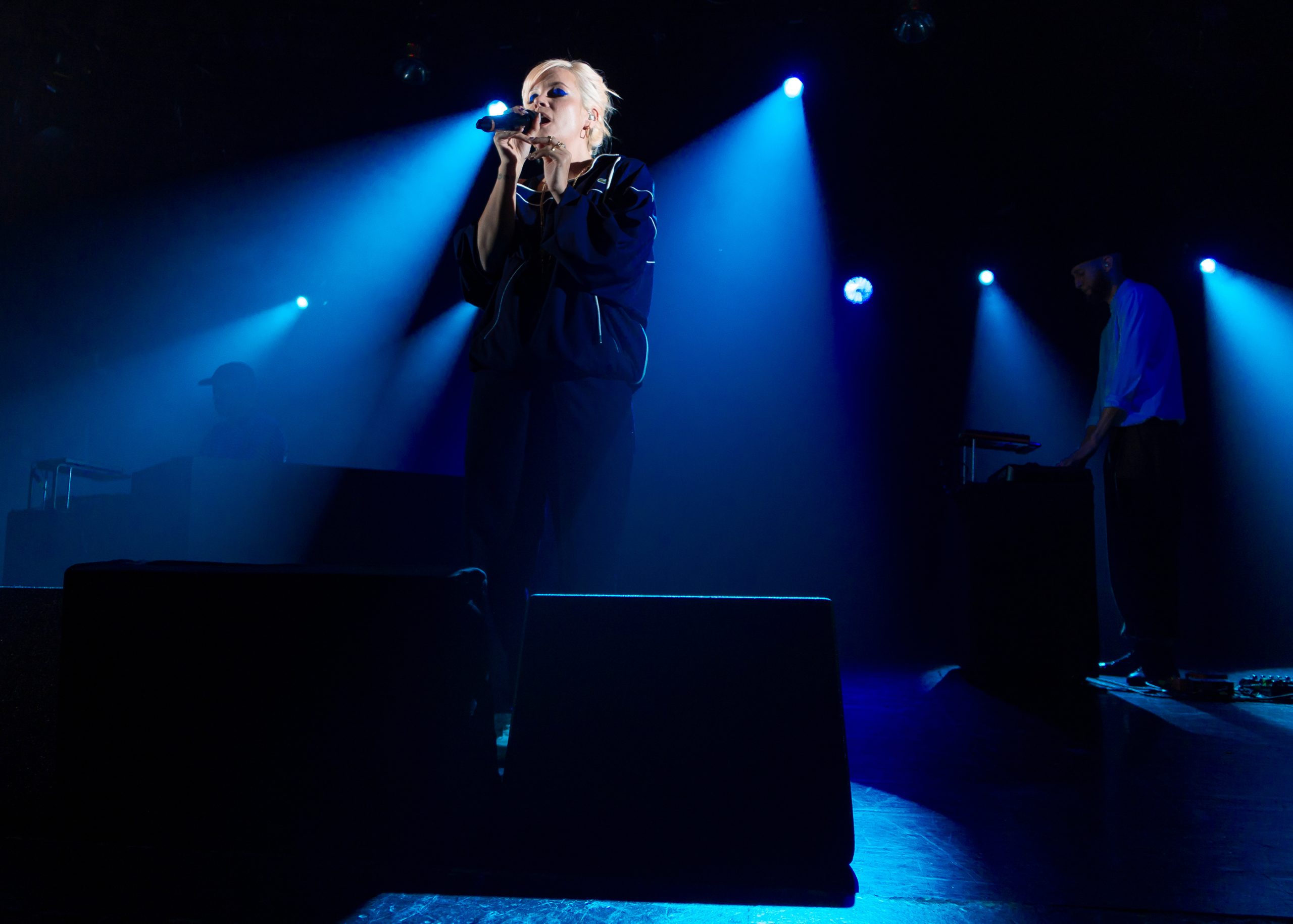
Lily Allen announced a North American arena tour this week, and the response, predictably, has been a mix of genuine excitement and that particular brand of internet skepticism reserved for artists who have publicly stepped back from music only to step forward again. Both reactions are understandable. Neither fully captures what makes Allen interesting.
She emerged in 2006 with Alright, Still and an approach to the pop song that felt genuinely new at the time. Not because the music was experimental, it was not, it was crisp and melodic and drew heavily on ska and reggae and classic British pop, but because the voice running through it was so specifically her own. Allen wrote about getting drunk on a Sunday, about men who were not worth the trouble, about the gap between what young women were told to be and what they actually were. She did it with hooks, without sentimentality, and with a dryness that was immediately recognized as something rare.
The second album, It’s Not Me, It’s You, came out in 2009 and remains the high point of her studio output. The music leaned harder into synth-pop territory, the writing sharpened, and tracks like The Fear and 22 managed to be both fun and quietly devastating. The Fear, in particular, is a pop song about the corrosive emptiness of celebrity culture that works whether or not you think about it on that level. That is the mark of a well-built song.
Allen’s career since then has been interrupted by personal loss, by a very public divorce, by a memoir that was more honest than most artists bother to be, and by the kind of tabloid attention that tends to follow women in British pop who refuse to perform happiness convincingly. Her 2014 album Sheezus was received poorly, partly because the critical conversation around it focused more on Allen’s public persona than the music itself. Hard Out Here, its lead single, made an argument about the music industry’s treatment of women that was sharp enough to make a lot of people uncomfortable and subsequently generated a lot of discourse that managed to sidestep what the song was actually saying.
No Shame, her 2018 record, arrived quietly and is probably her most underrated work. It is raw in a way that does not mistake rawness for authenticity, a trap Allen has occasionally fallen into. The songs are specific and uncomfortable and do not resolve neatly. It is the kind of album that sounds better the further you get from the promotional cycle around it.
The arena tour, running across major North American venues, is the kind of scale that Allen has not operated at in years, and may reflect an audience that has had time to recalibrate. The critical conversation around her has shifted, with several of her earlier albums being quietly reappraised over the past few years. The broader culture has caught up, slowly and imperfectly, to some of what she was talking about in 2009.
She is a better artist than she has been given credit for at most points in her career. Whether the tour represents a genuine return or simply a moment remains to be seen. The songs she already has are worth the ticket regardless.