 Into The Music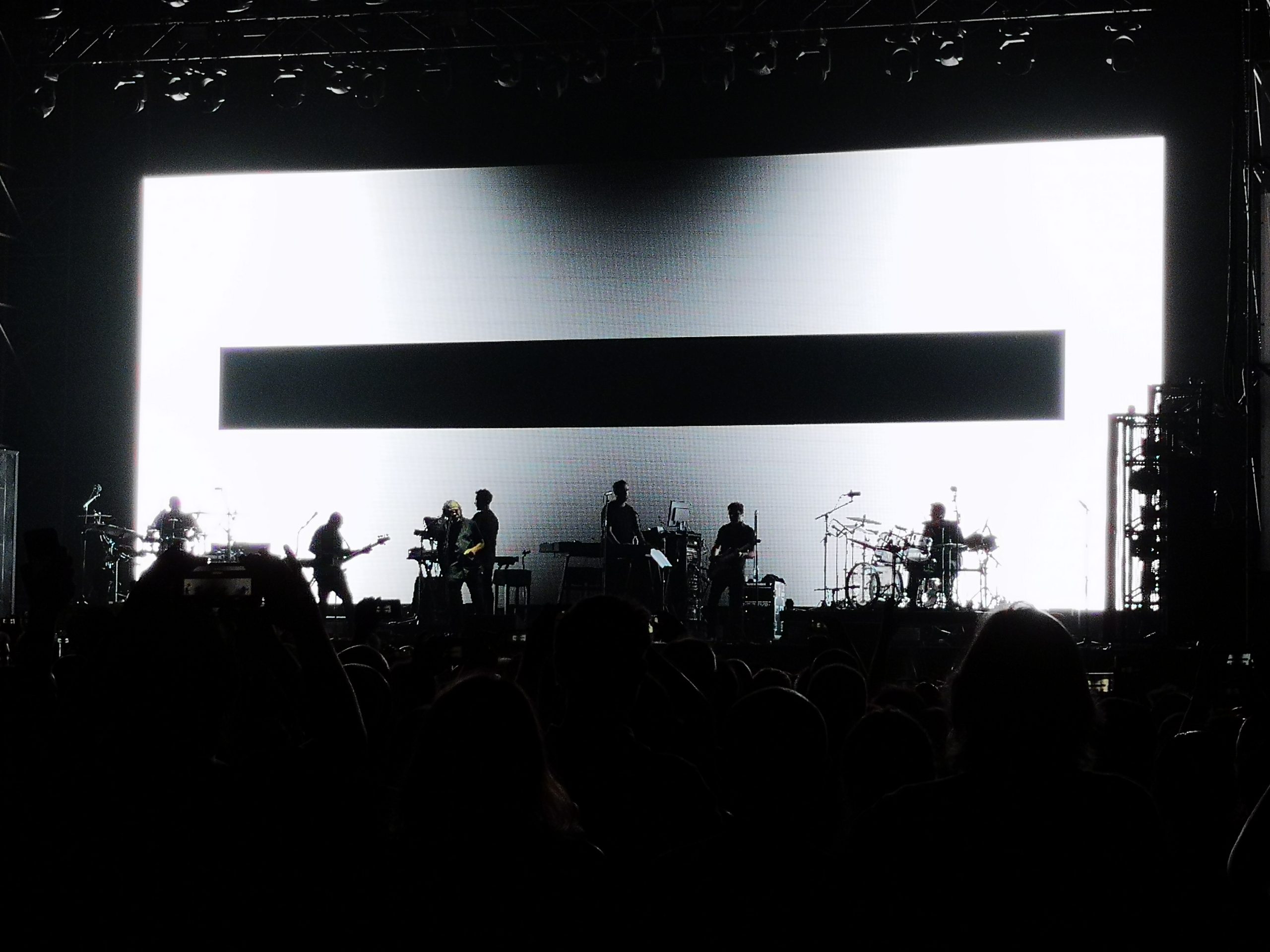
Massive Attack have spent thirty-five years building a sound that sounds like nothing else and resists every attempt at imitation. Their influence runs through trip-hop, electronic music, post-rock, film scoring, and contemporary pop production. Hundreds of artists have borrowed from them. Almost none have replicated what makes the source material work.
The group formed in Bristol in 1988 under the name The Wild Bunch before settling into the Massive Attack identity that would define their debut. Robert “3D” Del Naja and Grant “Daddy G” Marshall were the constant core. Tricky, who contributed to their early records, broke away to build his own considerable career. The lineup has shifted over three decades, but the aesthetic has remained recognizable across every record they have made.
Blue Lines, released in 1991, did not simply pioneer trip-hop. It invented a way of making music that treated samples as textures rather than references, layering them under vocals from guest singers who brought soul and R&B weight to a production framework rooted in dub and hip-hop. The album felt like it arrived from somewhere no one had visited yet.
Protection in 1994 deepened the palette. Mezzanine in 1998 turned darker and more abrasive, with guitars and paranoia where the earlier records had warmth. It remains their most studied record, and its influence on electronic and alternative music is difficult to overstate. Then came 100th Window in 2003, Heligoland in 2010, the Eutopia EP in 2020, and then a long stretch of near-silence.
The near-silence is ending. Massive Attack have confirmed new music coming in 2026, to be released physically and digitally but explicitly not on Spotify. That decision is a political act as much as a practical one. The band has been openly critical of how streaming compensates artists, and refusing the dominant platform is a statement about value, not just revenue.
A European tour runs through the spring and summer, including Primavera Sound in Barcelona and Porto, stops in Helsinki, Copenhagen, Berlin, and Brussels, and a July date at The Star Theatre in Singapore. They will also appear at Fuji Rock. These are not reunion gestures. They are working shows from a band that still has something to say.
What makes Massive Attack worth following in 2026 is not nostalgia for the records they made before. It is the fact that their production instincts, which always leaned toward the cinematic, the slow-building, the uncomfortable, are more suited to the current cultural moment than most new music being made right now. They have always operated on a different clock. That clock has not stopped.