 Into The Music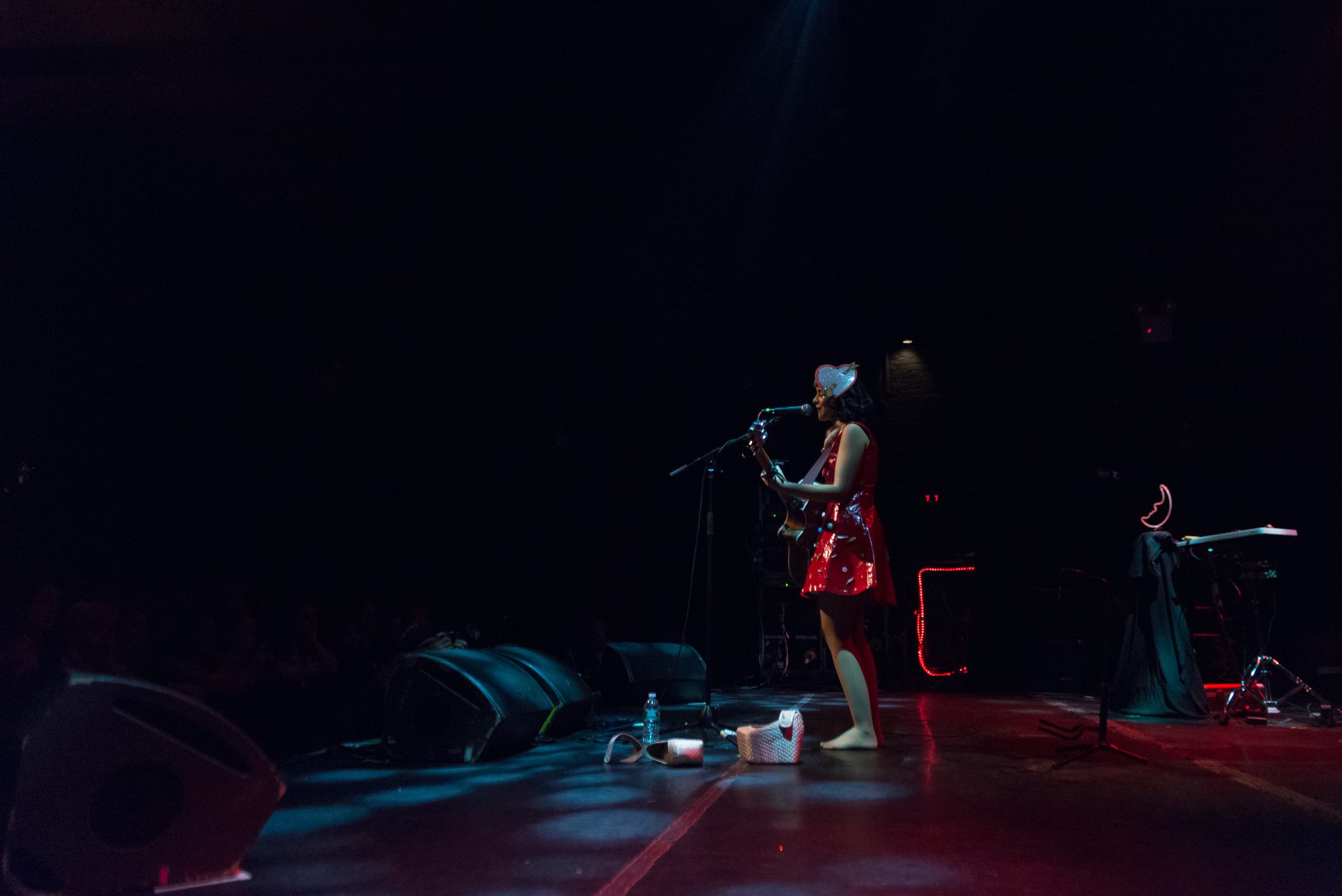
Melanie Martinez has always understood that pop music can be a theater of the disturbing, and that an audience will follow you into very dark rooms if you build them carefully enough. She built her first room in 2015 with Cry Baby, a concept album narrated by a character who was simultaneously innocent and disintegrating, wrapped in a pastel aesthetic that felt like the inside of a music box designed by someone with a lot going on. The record connected with a generation of fans who found something true in its dissonance.
Since then, Martinez has operated on her own timeline, releasing work at intervals that have nothing to do with the pop release calendar. K-12 came in 2019 with a self-directed film. PORTALS arrived in 2023 with a visual world built around metamorphosis and physical transformation. Each project has been more ambitious than the last, and the ambition has attracted a fiercely devoted audience while largely flying under the radar of mainstream coverage.
Martinez was born in 1995 and grew up between New York and Los Angeles. She first gained wide attention as a contestant on the sixth season of The Voice, where she made the top ten before being eliminated. Her time on the show was notable not for the competition but for the impression she left: a teenager with an unusual voice, unusual taste, and clearly no interest in the kind of music the competition was designed to produce.
What she makes instead exists in a genre that is not easy to name. The backbone is dark pop with art pop aspirations. The lyrics are allegorical, building characters and situations that function as metaphor while staying specific enough to feel personal. The production is immaculate and often disorienting, with textures borrowed from film scores, nursery rhymes, hyperpop, and industrial music all showing up in the same song without feeling forced.
Her fourth album, HADES, arrived March 27, 2026, on Atlantic Records. It introduces a new character called “Circle,” a manufactured pop figure created by a company called Hades Tech, designed to provoke outrage and replace human artistry. The concept is obviously aimed at the current music industry landscape, and Martinez is not being subtle about it. The album is darker and more confrontational than her previous work, with tracks like “Weight Watchers” and “The Vatican” operating at the intersection of social commentary and psychological horror.
The album is the first half of a double-album project, with a companion record called MM5 expected to follow. Whether Martinez can sustain the narrative across two records is an open question. What is not in question is that she remains one of the most singular artists working in pop today, building worlds that no one else would think to build and finding audiences who cannot imagine them going anywhere else.