 Into The Music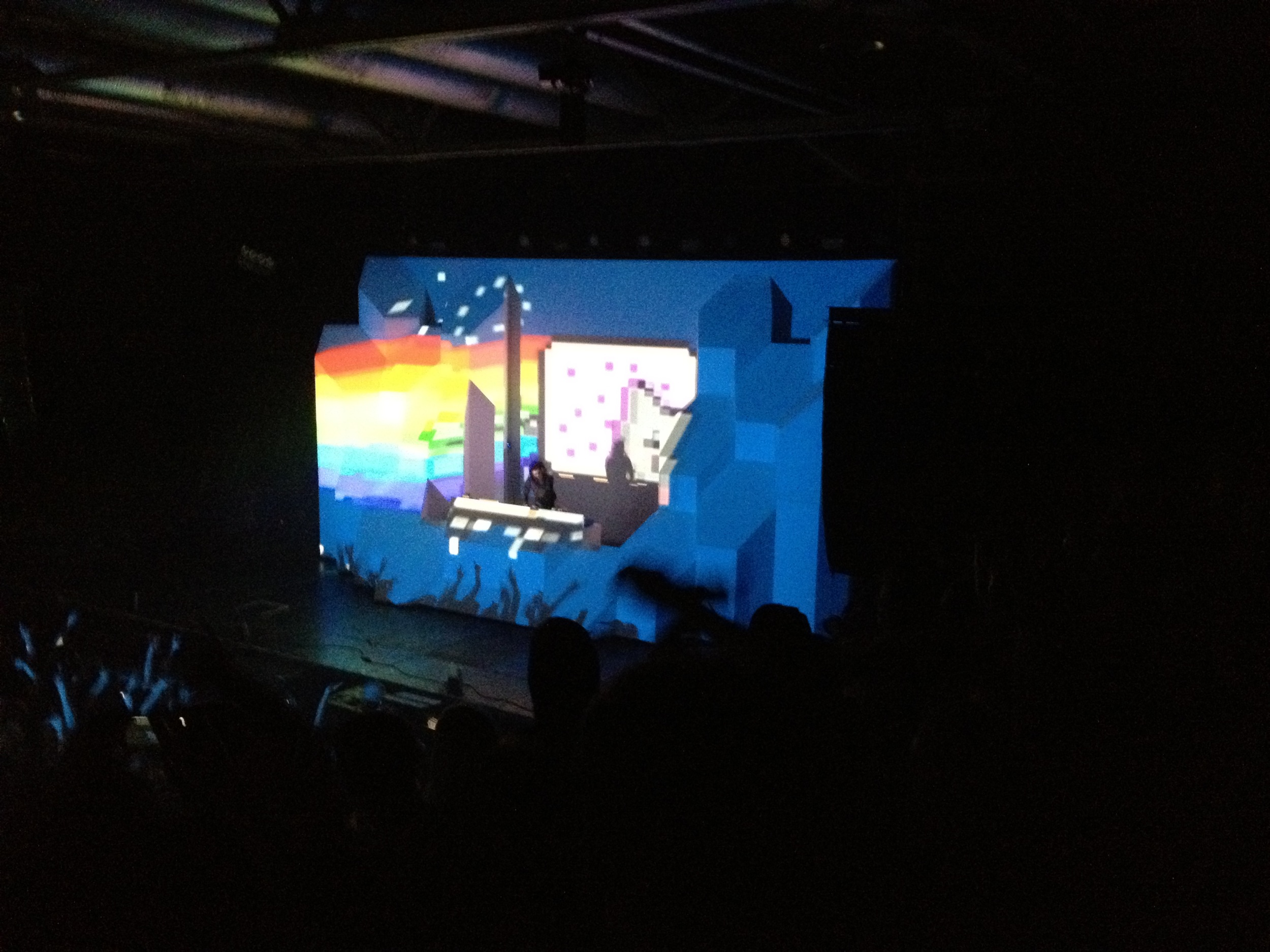
There is a version of the Skrillex story that gets told as an origin myth: kid from a hardcore band puts on a laptop, destroys a festival crowd, and changes what a DJ set can look like. That story is accurate in its outline and misses almost everything important in its telling. Skrillex, the project built by Sonny Moore in Los Angeles in the late 2000s, did not just change festival culture. He rewired an entire generation’s relationship with electronic music production, and the influence runs so deep now that most people who absorbed it never noticed it happening.
Moore came from From First to Last, a post-hardcore band where he was lead vocalist for three years before vocal problems forced him to step away. What might have been the end of his musical life became something else entirely. He started making electronic music alone, released a handful of EPs that essentially created dubstep’s American crossover moment, and by 2011 was arguably the most discussed figure in electronic music anywhere in the world. He won three Grammy awards in a single night in 2012. That doesn’t happen to people making music on laptops. It happened to him.
The actual music he made in that initial period has been discussed to death, which is its own kind of testimony to its impact. The wobble bass, the half-time drops, the particular way tension was built and then released with an almost violent abruptness, these things were new in the context of dance music with mainstream reach. The sounds were alien and pop-structured at the same time. They got into children’s bedrooms and enormous arenas simultaneously.
The more interesting chapter, though, is what came after. Skrillex spent the years following his commercial peak in a constant state of creative expansion: producing for Justin Bieber, collaborating with Diplo as Jack U, making records with artists from hip-hop, pop, and experimental electronic music across multiple continents. He released Quest for Fire in 2023, a full album that received more serious critical attention than anything he had released since his early EPs. The consensus was that he had grown considerably. The question underneath that consensus was whether anyone was paying attention.
The answer, it turns out, is a qualified yes. His recent collaboration with Young Miko, “Duro,” released in March 2026, demonstrates that he has not lost his instinct for where music is moving. He found Young Miko before her commercial moment arrived, and their track together feels current without feeling calculated. It is the work of someone who has been watching carefully and still has things to say.
Skrillex is now in his mid-thirties, which puts him in an odd position relative to the scene he helped create. He is old enough to be a founding figure in a genre that is itself no longer new, young enough to still be making genuinely interesting work. The origin myth has worn off, which is probably good for him. What remains is a body of work that holds up better than the backlash suggested it would, and a productive restlessness that shows no sign of stopping. He has earned the ambiguity that surrounds his reputation. That is a kind of achievement in itself.