 Into The Music
When Lindsey Jordan released “Lush” in 2018, she was nineteen years old and had already written something that people twice her age had not managed. The guitars were direct, the lyrics were the kind of direct that you can only pull off when you have not yet learned to protect yourself from your own feelings, and critics ran out of words for how good it was and started writing about her future. That pressure, the kind that follows early excellence, has a specific weight to it. Jordan has spent the years since learning how to carry it.
“Valentine” in 2021 was a sharper record in some ways and a harder one to absorb. The orchestral elements gave it drama. The content was about substance use and the aftermath of a relationship that had gone badly sideways, and it did not flinch. It was the record of someone who had been through something and was not going to pretend otherwise.
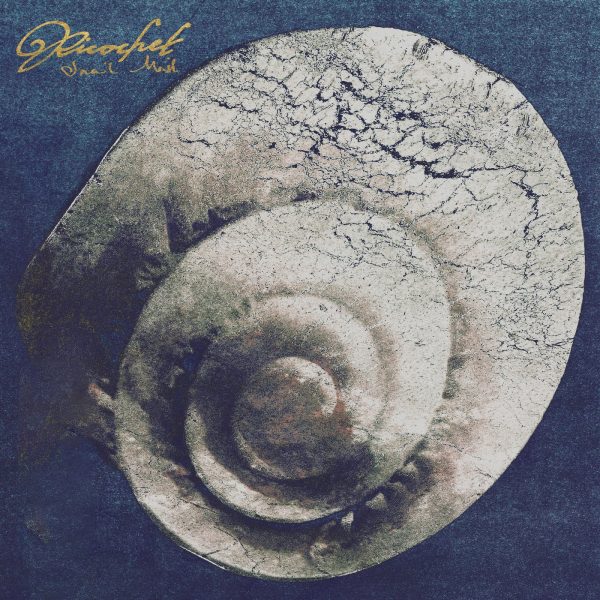
“Ricochet,” out now on Matador, arrives five years later and feels different again. It is fuzzier, more grounded, less reliant on the kind of arrangement that announces itself. Jordan has said the record came after a major vocal surgery that unexpectedly gave her a new falsetto range, and you can hear her exploring it throughout without ever making it the point. The technical development is in service of the songs. That is always the right choice, and Snail Mail has always made it.
Tracks like “Tractor Beam” and “Cruise” have a warmth to them that is new in her catalog. They lean into the 90s alt-rock influence that has always been somewhere in her DNA, but more openly than before. There is fingerpicking here that recalls people she has never tried to hide loving. The result is less brittle than her earlier work and no less honest.
The harder cuts, “My Maker” and “Dead End” in particular, deal with identity in a more diffuse way than “Valentine” did. The crisis there was specific and datable. The questions on “Ricochet” are less urgent and more ongoing. What does it mean to keep becoming someone when the version of you that everyone knows is still stuck at nineteen, on a stage at Primavera, playing guitar in a way that made people stop walking?
Jordan has been publicly thoughtful about mental health and recovery in ways that have not always been easy. She is not doing that performatively. The music bears that out. There is no martyrdom in these songs, no cult of suffering. Just someone asking real questions about who she is now, after the vocal surgery and the years and the changed relationship to her own body, and finding that the answers are still coming.
Snail Mail remains one of the most genuinely individual artists working in indie rock. Not because the sound is unlike anything else, but because the sensibility behind it is. Jordan writes from somewhere specific and does not pretend otherwise. That specificity is what made “Lush” last, and it is what is going to make “Ricochet” last too.