 Into The Music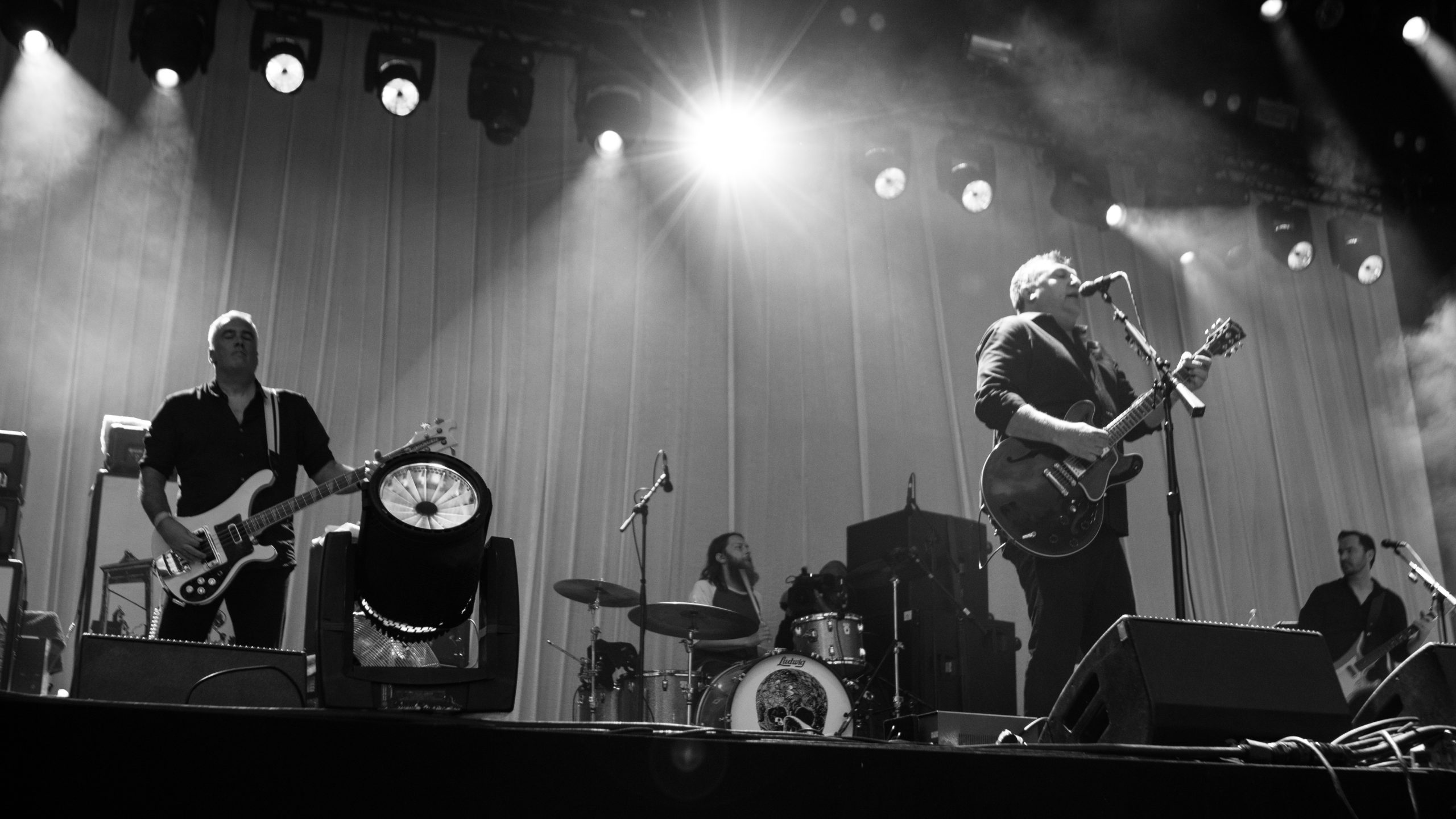
Forty years is a long time to still be making records that feel urgent. The Afghan Whigs have been doing it since 1986, when Greg Dulli and Rick McCollum formed in Cincinnati, Ohio, and started making music that did not belong anywhere obvious – too raw for college radio, too controlled for punk, too emotionally direct for the indie rock scene that would eventually embrace them. They carved their own lane and have been operating in it ever since.
The band signed to Sub Pop in 1990, releasing a string of albums that built a devoted following on the strength of Dulli’s writing and the band’s ability to weaponize soul music against itself. Gentleman (1993) remains the record most people start with – a breakup album that does not beg for sympathy and does not pretend things are fixable. It is uncomfortable in ways that aged well. Black Love (1996) is darker still, and in the years since its release has acquired the reputation of a lost classic. 1965 came out in 1998 and felt like a band making something enormous on its own terms.
Then they broke up. Dulli formed the Twilight Singers, made records, kept writing. McCollum dropped away from music. The band reformed in 2012 and released Do to the Beast in 2014 – not a nostalgia exercise, but a genuine continuation. In Spades followed in 2017. How Do You Burn? came out in 2022. Each of those records proved the same thing: whatever this band does, they do it better than almost anyone else in the space they occupy.
Now they are launching a 40th anniversary tour, and they have a new single out called “House of I” – an “up tempo banger,” per Dulli, recorded in New Orleans. A new album is coming this year. The tour runs from late April through late May, coast to coast, with Mercury Rev as support, hitting rooms like Webster Hall in New York and the Fillmore in San Francisco. These are not stadium shows. These are the kind of rooms where the music lands differently, where the bass sits in your chest and the lyrics register in real time.
Dulli’s voice is one of those instruments that does not behave the way it used to, but the change has not diminished him – it has recalibrated what he does and how he does it. The rawness is still there. The obsessive quality of his writing has not gone anywhere. He is still making music about desire and damage and the distance between them.
Forty years in, the Afghan Whigs are not a legacy act in any meaningful sense. They are a working band that happens to have forty years of material behind them. That distinction matters.