 Into The Music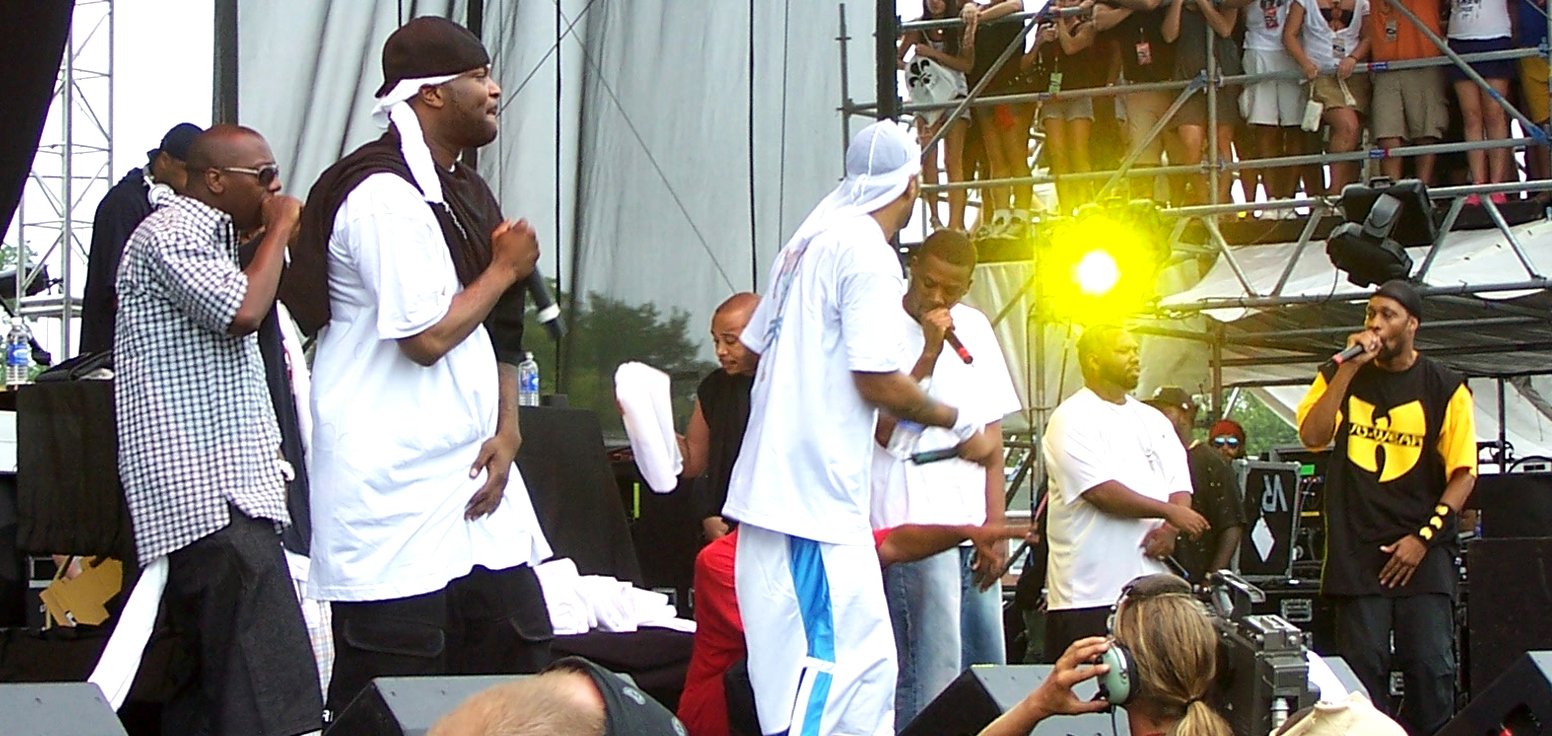
Wu-Tang Clan just announced another leg of their so-called “final” tour, which is now entering its second year of being the final tour. The dates run from late August through October 2026, with most shows featuring Bone Thugs-N-Harmony as support. If you are keeping score, the Wu-Tang Forever: The Final Chamber tour launched in June 2025, rolled through Europe, and will now continue through a run of North American amphitheater dates before wrapping with a show at T-Mobile Arena in Las Vegas in October.
This is not a criticism. This is, in fact, precisely who Wu-Tang Clan is and has always been. The Clan has never been particularly interested in clean narrative arcs or graceful exits. They are Staten Island hip-hop royalty who have been doing things their own way since the early 1990s, and an extended farewell tour that refuses to end fits the mythology perfectly.
The group formed in 1992 around RZA, whose vision of a hip-hop collective operating like a kung fu clan reshaped what was possible within the genre. The idea was radical: pool resources, allow members to release solo albums on different labels, and use the collective as both artistic launchpad and brand. Enter the Wu-Tang (36 Chambers) came out in 1993 and sounded like nothing else. It was dense, murky, sample-based, lyrically dense in a way that rewarded repeated listening. It was also an immediate classic.
What followed was one of the most creatively fertile periods in hip-hop history. GZA released Liquid Swords. Raekwon delivered Only Built 4 Cuban Linx. Method Man, Ghostface Killah, Ol Dirty Bastard, Inspectah Deck all put out records that held up on their own. The Clan model worked because the individual members were genuinely extraordinary, not just satellites of a larger brand.
The collective history since has been messier. Ol Dirty Bastard died in 2004. RZA and other members have had public disputes. The infamous $5 million one-of-a-kind album saga with Martin Shkreli became one of the stranger cultural footnotes of the 2010s. None of it diminished the catalog.
What the current tour represents is something worth appreciating without irony: eight surviving members, including Young Dirty Bastard, on stage together, performing songs that are now over 30 years old and still resonate. The amphitheater crowds showing up for these dates are not coming out of nostalgia exactly. They are coming because the music still has weight.
The “final” framing is probably marketing more than reality, and nobody seems particularly bothered by that, least of all the fans buying tickets. Wu-Tang Clan ain retiring. They are just saying they are retiring, which is different, and maybe truer to who they are.