 Into The Music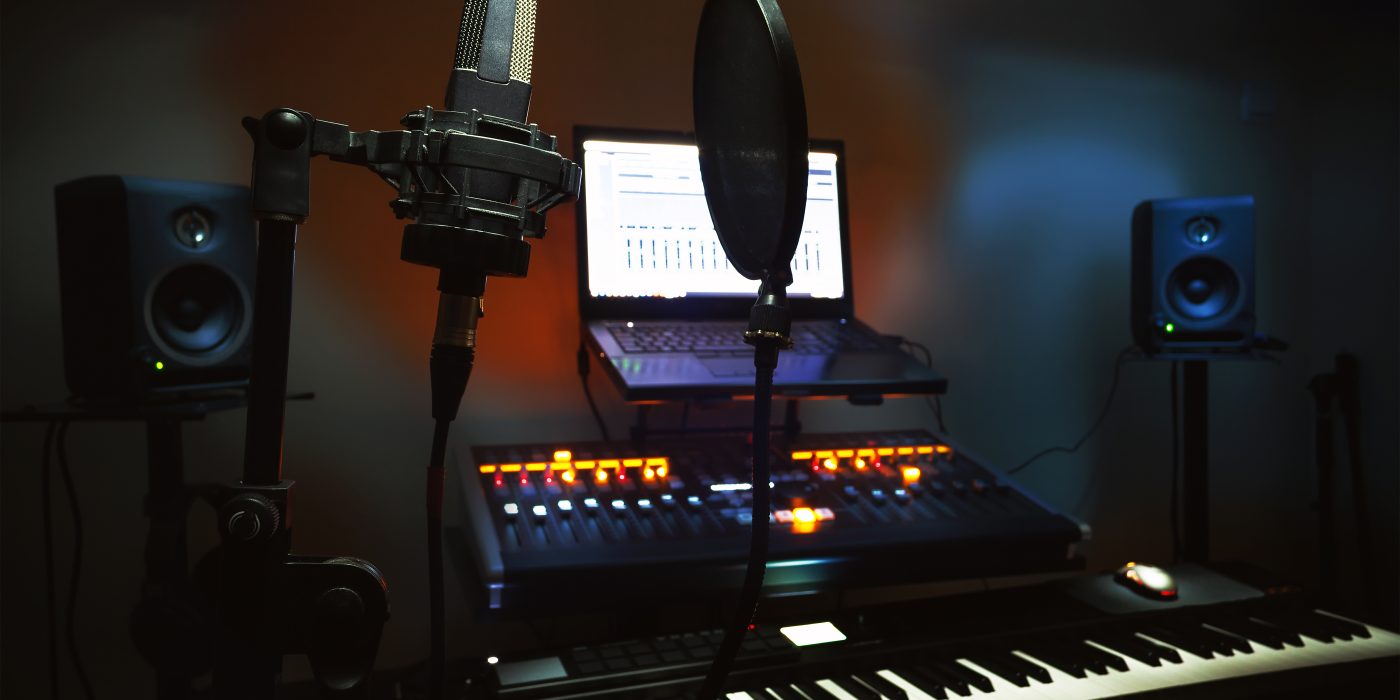
Bedroom pop was never supposed to last this long. It arrived as an aesthetic of necessity: young artists with laptops and cheap microphones making music in their actual bedrooms because that was what they had access to, and the resulting sound, lo-fi, intimate, slightly blurry at the edges, became an identity. That was supposed to be a moment. Instead it became an infrastructure.
The term is loose enough to cover a wide range. At its most stripped-back it describes recordings that sound like they were made on a phone propped against a bookshelf, vocals too close to the microphone, drums coming from a sample pack, melody carrying everything because there is nothing else to carry it. At its more produced end, bedroom pop describes a sensibility rather than a method: music that retains intimacy and imperfection even when it was made with real gear in actual studios.
The genre emerged most visibly in the early-to-mid 2010s, riding the democratization of recording software and the rise of SoundCloud as a distribution channel that required nothing from you except a profile. Artists like Alex G, Rex Orange County, Clairo, and beabadoobee built substantial audiences before anyone with a marketing budget noticed them. The path ran from bedroom to SoundCloud to blog coverage to streaming, bypassing the traditional label infrastructure entirely, or at minimum arriving on labels’ doorsteps with leverage already in hand.
What made bedroom pop resonant was not just the sound but the implied relationship between listener and artist. The imperfections read as honesty. A cracked vocal or an audible room tone or a guitar slightly out of tune communicated something that polished pop could not: I made this myself, in a room like the room you are sitting in right now, and I meant every word.
By 2020 the irony was already in place: bedroom pop had become a style that major labels were actively trying to replicate. Artists were being asked to add fake tape hiss and deliberate imperfections to productions made in professional studios. The authenticity was getting processed. That is what happens to any sound that becomes commercially useful.
But bedroom pop kept producing artists who made the aesthetic feel genuine rather than applied. Phoebe Bridgers, though she operates at a scale that long outgrew the label, carried the ethos into stadium-adjacent territory. Gracie Abrams started in the same tradition and built a fan base through the same kind of direct emotional address. Clairo’s Sling album showed what happens when bedroom sensibility gets applied to jazz and folk forms: it does not disappear, it just finds new rooms to inhabit.
In 2026, the mode persists because the conditions that created it have not changed. Recording software is still affordable. Young artists with songs still need somewhere to put them. The gap between having something to say and having the infrastructure to say it commercially has not closed; if anything, the streaming economy has made that gap more visible by showing how many streams you need before the math works out in your favor.
Bedroom pop is, at this point, less a genre than a permission structure. It tells you that you can make the record before you have earned the right to make the record. That permission has been worth more than anyone initially expected.
Would love to see even half this enthusiasm applied to the wave of bedroom-style production coming out of Lagos and Nairobi right now. Artists building entire sonic worlds from laptops in actual bedrooms, not metaphorical ones. But because it doesn’t fit the indie aesthetic, it doesn’t get the ‘this was always bigger than we thought’ treatment. The genre discovery feels very selective.
The laptop-and-cheap-mic origin story is accurate but it undersells the technical side of what makes this stuff work. The best bedroom pop isn’t lo-fi because of budget constraints , it’s lo-fi as a deliberate production choice, a texture that signals intimacy. That’s a craft decision. When I hear those records I’m listening for the moment where accidental becomes intentional. That’s where the interesting producers are.