 Into The Music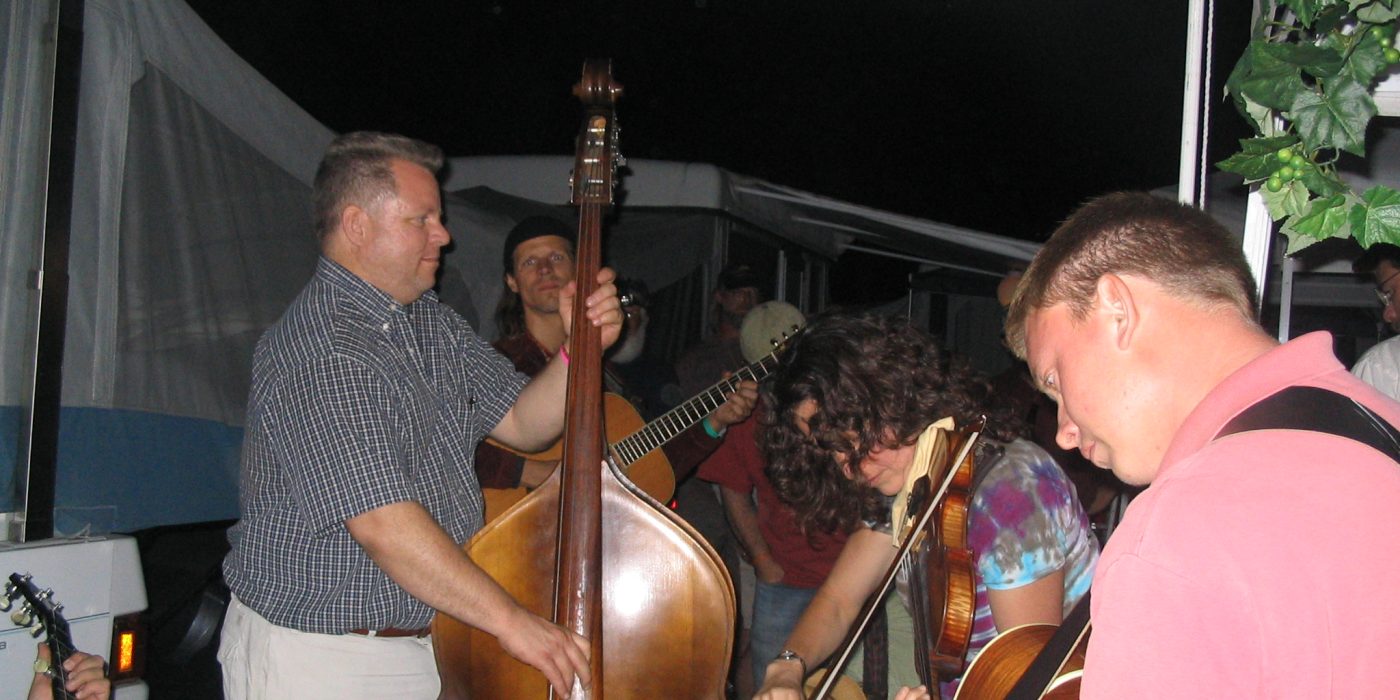
Bluegrass is a precisely defined American music genre with a debated origin story and a devoted community that polices its boundaries more actively than almost any other genre does. The precision comes from the instrumentation, the vocal style, and the rhythmic emphasis. The debate comes from the question of who invented it and what that means for who owns it.
The conventional history credits Bill Monroe with creating bluegrass in the mid-1940s. Monroe, a Kentucky-born mandolinist who led his Blue Grass Boys, developed a style that combined the string band music of the Appalachian tradition with blues influences and a rhythmic drive that distinguished it from old-time music. When Flatt and Scruggs joined his band in 1945 and 1946, the classic lineup was in place and the sound that would define the genre was established.
The instrumentation is specific: acoustic guitar, mandolin, banjo, fiddle, upright bass, and occasionally Dobro. The vocal style emphasizes tight harmonies and a specific approach to ornamentation sometimes called the bluegrass tenor. The rhythmic emphasis is on the offbeat, which gives the music its characteristic drive.
Contemporary bluegrass has expanded in several directions. Progressive bluegrass artists incorporate jazz harmony and extended improvisation. Newgrass, a term coined in the 1970s, covers artists who maintained the instrumentation while departing from the traditional song repertoire and harmonic language. The most recent generation of artists, including Molly Tuttle and Billy Strings, has introduced electric instruments and amplified production while keeping the acoustic core.
The community argument about what counts as authentic bluegrass is a permanent feature of the genre and probably a sign of health rather than dysfunction. Genres with no arguments about authenticity are genres that have lost their sense of what they are. Bluegrass has always known what it is, even when people disagree about the details.


“polices its boundaries more actively than almost any other genre” , have these people MET metal fans lol