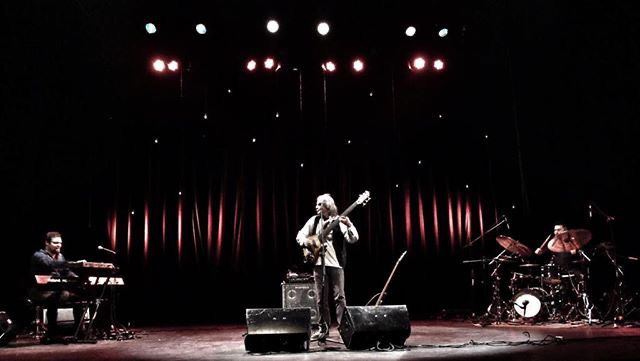
 Into The Music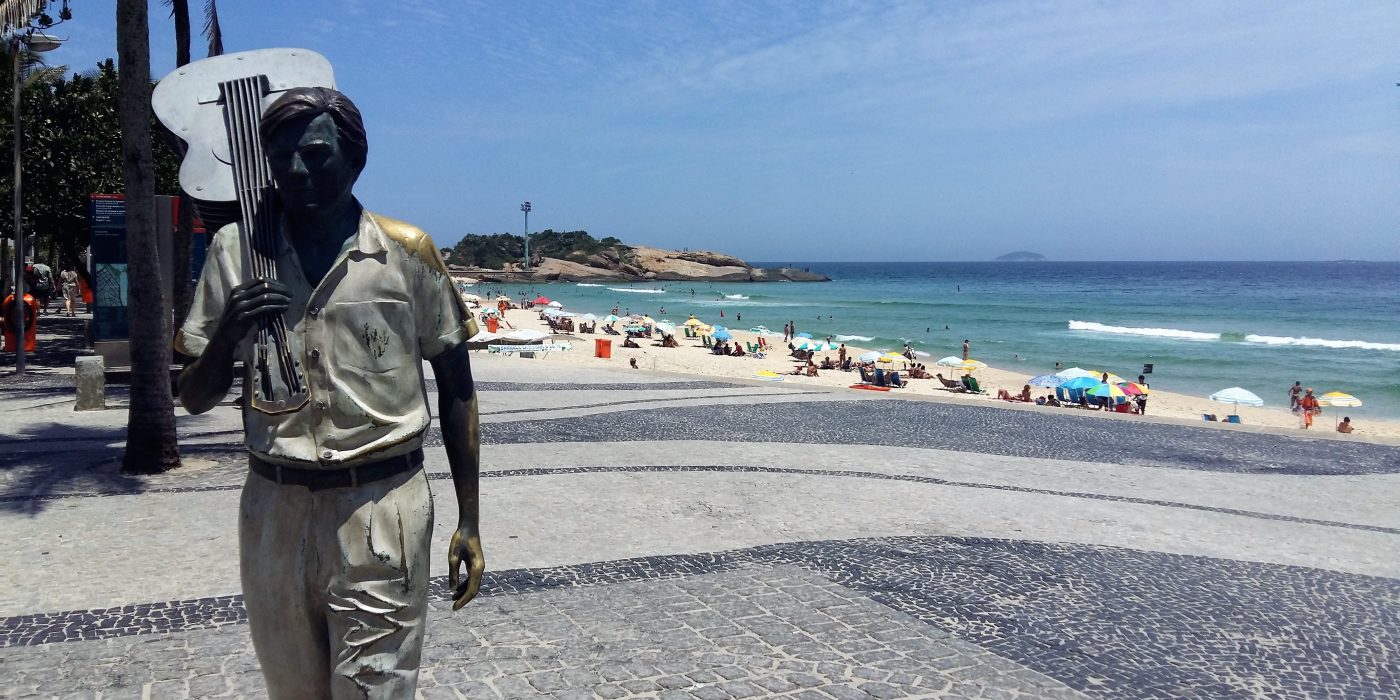
Bossa nova arrived fully formed in 1958 with Joao Gilberto’s recording of Chega de Saudade, and it has spent the decades since being studied, imitated, and borrowed from without ever quite being replicated. There is a reason for that. The genre is not really about its ingredients. It is about a particular relationship between those ingredients.
The name translates roughly as “new trend” or “new way,” which is accurate only in the narrowest sense. What Gilberto, Antonio Carlos Jobim, and the circle of musicians around them in late-1950s Rio de Janeiro were doing was taking samba rhythms, stripping them back to something quieter and more intimate, and layering them with harmonies borrowed from American jazz. The result was neither samba nor jazz but something that functioned like both while belonging fully to neither.
Gilberto’s guitar style was the anchor. The rhythmic pattern he developed — a specific, understated syncopation played at low volume — became the template that every bossa nova guitarist since has had to learn and then learn to stop thinking about. Jobim provided the melodic and harmonic architecture. Songs like The Girl from Ipanema and Corcovado became the standards of the form, recorded so many times they risk sounding like wallpaper. Played well, they still sound like no one else’s music.
The international breakthrough came when the style hit American jazz musicians in the early 1960s. Stan Getz’s collaborations with Gilberto and Jobim introduced bossa nova to audiences well outside Brazil, and the genre briefly became ubiquitous in a way that typically dilutes a sound into something unrecognizable. Bossa nova survived that dilution better than most because its core was so specific. You cannot fake the restraint.
Contemporary musicians continue to work within and against the form. Bossa nova remains one of the clearest examples of a genre that arrived with a complete aesthetic — soft, cool, precise, and quietly devastating — and stayed that way.