 Into The Music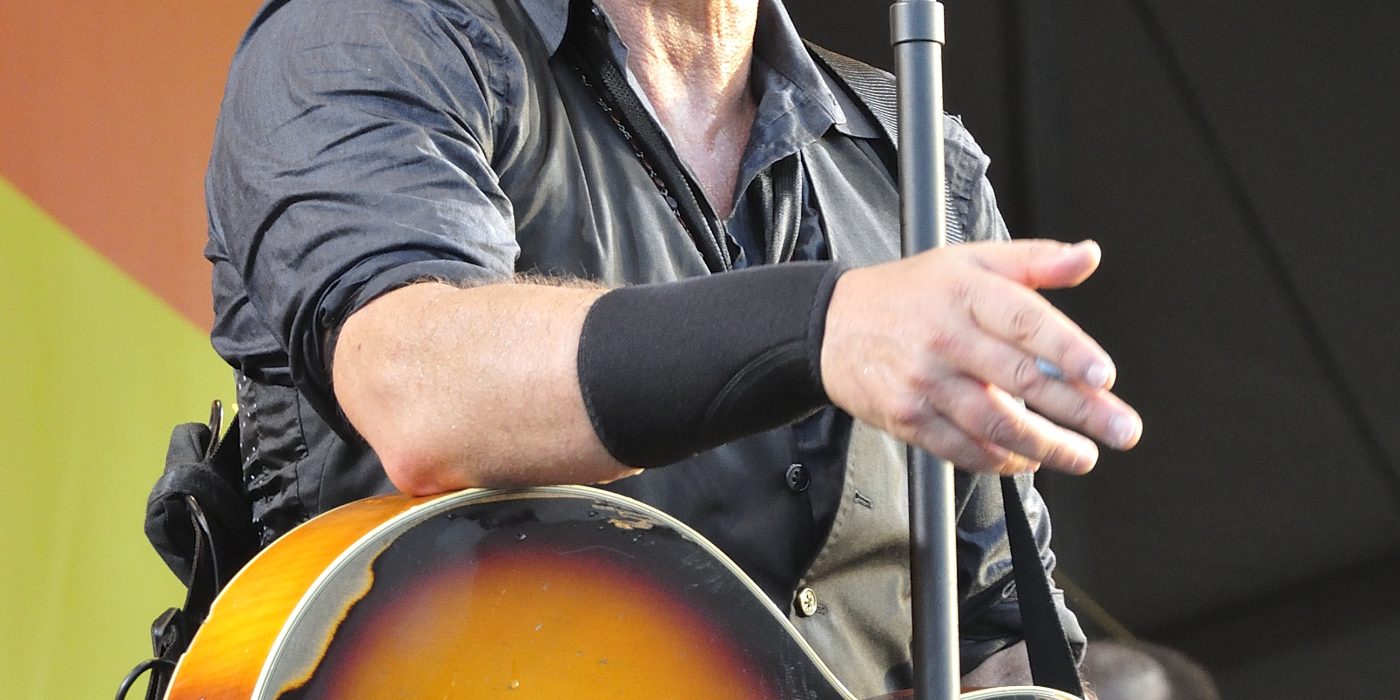
Bruce Springsteen showed up in Minneapolis on Saturday, and it was not a concert. It was a reckoning.
Springsteen performed “Streets of Minneapolis” at the city’s No Kings protest, a song he wrote in the aftermath of the fatal shootings of Renee Good and Alex Pretti by ICE agents earlier this year. Before playing, he delivered a speech that was brief but not short on weight. He called Minneapolis a city that had been visited by federal violence and had refused to break. He named Good and Pretti by name. He did not soften anything.
“This past winter, federal troops brought death and terror to the streets of Minneapolis, but they picked the wrong city,” Springsteen told the crowd. “Your strength and your commitment told us that this is still America, and this reactionary nightmare will not stand.”
The moment crystallized something that has been building for a while now. Springsteen has never been shy about his politics, but he has also always been deliberate about where and when he deploys them. The protest appearance was not random. He is heading into a 20-date arena tour, and kicking it off with a public act of witness in the city that inspired the song is a statement of intent. This is not a legacy act going through the motions.
What “Streets of Minneapolis” does, as a piece of songwriting, is something Springsteen has always done at his best: it takes a political event and finds the human cost inside it. Renee Good was a mother of three. Alex Pretti was a VA nurse. Springsteen said their names because those names were in danger of becoming statistics, absorbed into a news cycle that moves faster than grief can form.
The song already had some resonance before Saturday, but performing it at a protest in the actual city, with people who knew Good and Pretti and were still living in the shadow of what happened, is a different thing entirely. That is the kind of specificity that separates meaningful political music from sloganeering.
Springsteen told the Star Tribune earlier in the week that he looks for moments where “the timing is essential.” He has always had an ear for that kind of alignment between a song and its moment. It does not always work, and plenty of his political gestures have felt calculated or safe. But this one had the texture of something genuine. He flew into Minneapolis, stood in front of a crowd, and said two people were killed and the government did not investigate their deaths. That is not a complicated political statement. It is just a true one.
The “Land of Hope and Dreams” tour continues with dates in Boston, Chicago, Los Angeles, New York, and Washington DC through the spring. Whether the rest of it rises to the level of Saturday is a different question. But for one afternoon in Minneapolis, Springsteen was using his platform for exactly what platforms are supposed to be for.
The phrase “Streets of Minneapolis” is going to haunt me. Springsteen has always done this , taken the specific geography of working-class America and made it feel like it belongs to everyone who has ever felt left behind by the country that was supposed to include them. What strikes me about this protest performance is that he didn’t do a medley of familiar anthems. He wrote something new, or at least new enough, and said two names out loud. That’s not a nostalgia play. That’s an artist in his seventies choosing to be uncomfortable in public, which is actually harder than it sounds and rarer than it should be.