 Into The Music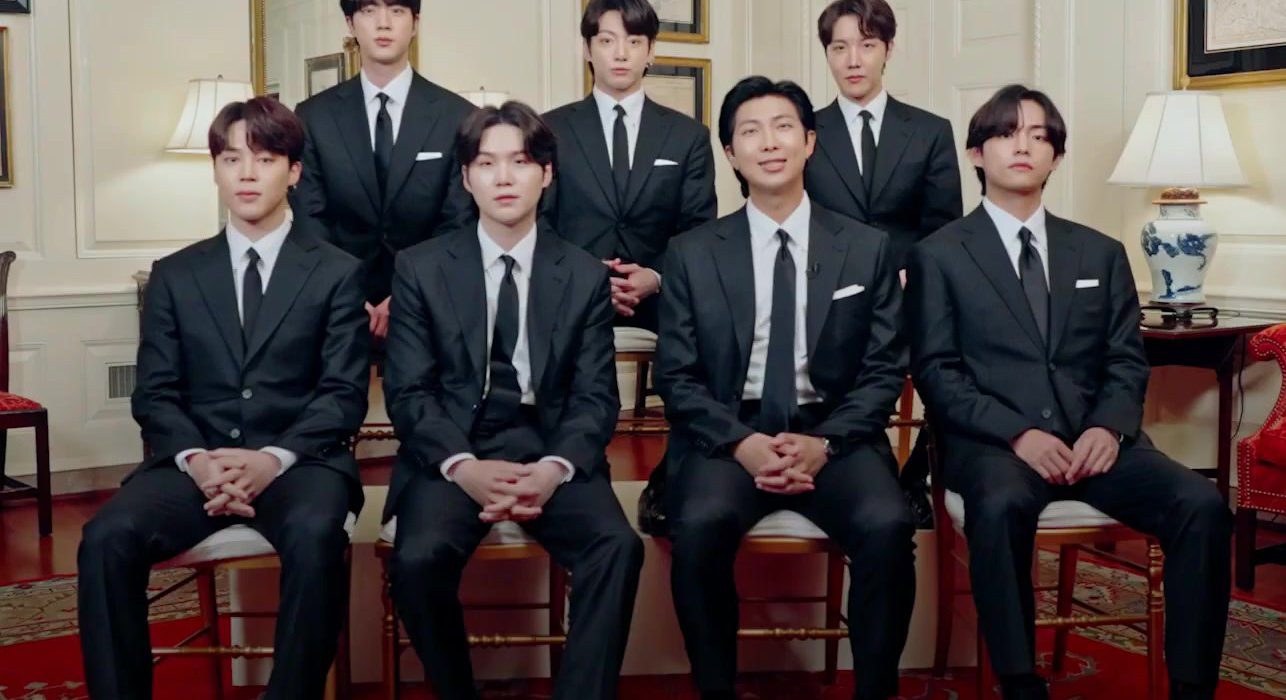
BTS is back. All seven members, fully reassembled after the mandatory South Korean military service that scattered them across branches and bases over the past few years. Their new album, ARIRANG, arrived March 20, and it is the first thing they have made as a complete group since 2022. The wait, it turns out, made the return mean something.
To understand what ARIRANG represents, you need to understand what military service represents in South Korea. It is not symbolic. It is mandatory. Every able-bodied South Korean man owes roughly two years to the state, and the members of BTS were no exception, despite years of debate about whether cultural exports of their global magnitude might justify an exemption. No exemption came. They served.
Jin went first, enlisting in December 2022. J-Hope followed in April 2023. By the end of that year, all seven were in. They finished in phases, with Jin completing service in June 2024 and the last members wrapping up by early 2025. The reunion, when it finally happened, was documented obsessively by a fanbase that had been tracking discharge dates the way other people track album release schedules.
ARIRANG takes its title from the traditional Korean folk song that has functioned for centuries as an unofficial national anthem, a song of longing and perseverance and the weight of separation. The choice is deliberate and not subtle. BTS spent years as the most globally successful Korean act in history, then vanished into an institution that exists partly to protect the country that produced them. The album is, among other things, a meditation on that experience.
But it is also just a BTS album, which means it covers enormous sonic ground. There are tracks that lean into the group’s established strengths, polished pop architecture with emotional directness that would not feel out of place on Map of the Soul or BE. There are also stranger moments, pieces that feel shaped by whatever each member was thinking about during the years apart. The solo careers they each pursued while waiting, some more prolific than others, left fingerprints.
The K-pop industry has a complicated relationship with the military service question. There is genuine resentment in some quarters that BTS was not exempted, and genuine pride in others that they were not. The debate says something real about how South Korean society navigates the tension between national obligation and global influence, between what the country demands of its young men and what it gains when those men become ambassadors to the entire world.
What is not in question is the scale of what BTS represents commercially and culturally. The Hallyu wave, the term for South Korean cultural exports that now includes drama, film, food, and fashion alongside music, got its biggest single boost from BTS. They filled stadiums on every continent. They addressed the UN General Assembly. They sold out Seoul Olympics stadium multiple times over. Their fandom, the ARMY, is a genuine global phenomenon with its own internal organization and philanthropy operations.
ARIRANG is not an apology for the absence and not a triumphant declaration that nothing changed. It is something more interesting than either: a record that seems to understand that the members who returned are not quite the same people who left, that time changes you even when you do not want it to, and that the music you make after a long pause has to be honest about that.
Whether the broader pop world that spent years waiting for them is ready to receive that kind of complexity is a different question. The album is already breaking streaming records. The ARMY does not need convincing. The real test will be whether ARIRANG opens new doors or mostly celebrates the ones already open. Early indications suggest a bit of both, which is probably exactly right for where BTS finds itself in 2026.