 Into The Music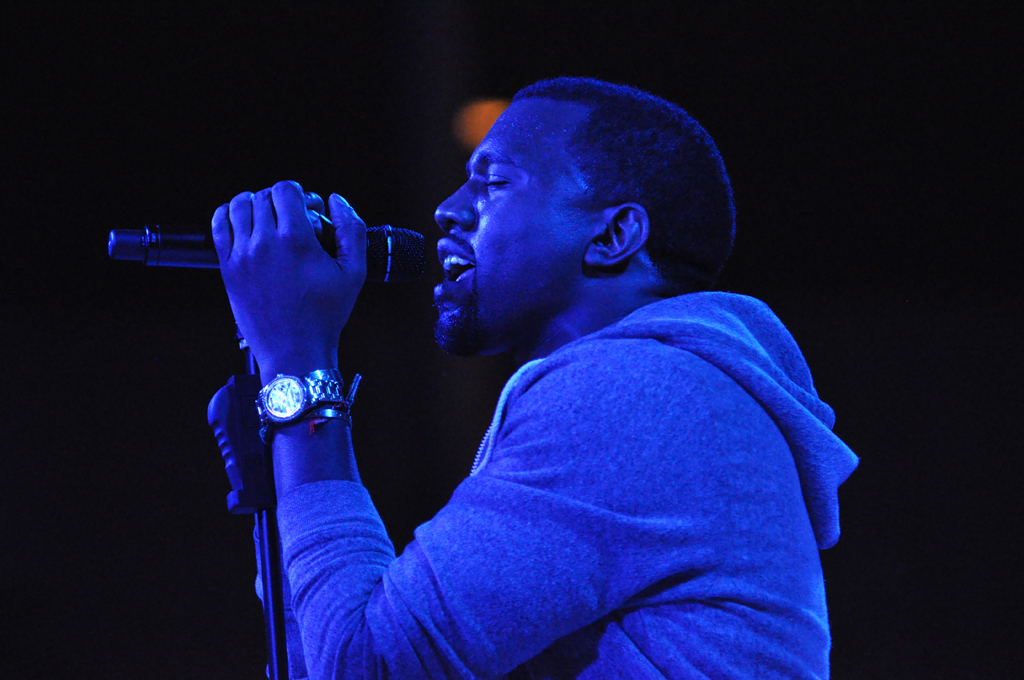
Kanye West’s twelfth studio album has arrived after years of delays, false starts, shifting tracklists, and the kind of pre-release chaos that has come to define how he operates. Bully was first announced in September 2024. Fragments of it appeared as work-in-progress releases in March 2025. Singles were released through EPs. A short film appeared, starring his son Saint. Pre-orders went live. Dates slipped. And now, finally, the record is out through YZY and Gamma, and the question everyone is asking is whether it was worth the wait in any meaningful sense.
The short answer is complicated, as it almost always is with West. The album reportedly draws heavily on the aesthetic territory of 808s and Heartbreak and My Beautiful Dark Twisted Fantasy, two records that occupy very different emotional spaces. 808s was raw and exposed, West singing off-pitch over Auto-Tune in the aftermath of his mother’s death and a broken engagement, treating emotional damage as formal material. My Beautiful Dark Twisted Fantasy was maximalist and grandiose, a kind of comeback spectacle built on enormous arrangements and a guest list that read like a flex. The combination of those two reference points suggests Bully is trying to hold vulnerability and bombast in the same frame, which is either a compelling tension or an uncomfortable one.
The reported heavy use of sampling and interpolation fits comfortably within West’s history as a producer. He has always worked this way, mining archives and reconfiguring old recordings into something new. The question with AI-generated vocals in earlier drafts was more fraught. West was reportedly planning to replace them with his own voice for the final release. What landed, and how much of it sounds like him versus a simulation of him, is something audiences will be parsing carefully.
The delays are also worth contextualizing, because they are not just logistical. West’s public behavior over the past several years has been, to put it mildly, difficult to separate from the music. The controversy around his statements in early 2025 preceded the album’s delays. His legal team was settling another copyright lawsuit days before the release date. The surrounding noise is significant and it matters, not because it should determine how the album is received aesthetically, but because it has shaped the conditions under which it arrives. Listening to Bully is not a neutral act in 2026. It is not supposed to be.
What West has always understood is that the spectacle surrounding his work is part of the work. Whether or not that was true in the early days when he was just a producer making beats for Jay-Z and then pivoting to rapping himself, it became true somewhere around the mid-2000s and has not stopped being true since. Bully the album and Bully the release event are inseparable. The years of waiting, the shifting versions, the short film, the merchandise, the legal drama: all of it is context, and he knows it.
That does not make the album great by default. Kanye West has made genuinely transformative records and he has made records that mostly document his own declining coherence. The question of where Bully falls on that spectrum will take some time to answer. First listens tend to be reactive. Second and third listens are where the actual evaluation happens.
What is clear is that the album exists, which seemed uncertain enough at various points over the past two years that it is worth acknowledging. Whatever else is going on, West is still making music, still taking formal risks, still refusing to settle into a comfortable mode of operation. That is something, even if it is not everything.
The conversation about Bully has been building for two years. Now that it is here, the conversation can actually begin.