 Into The Music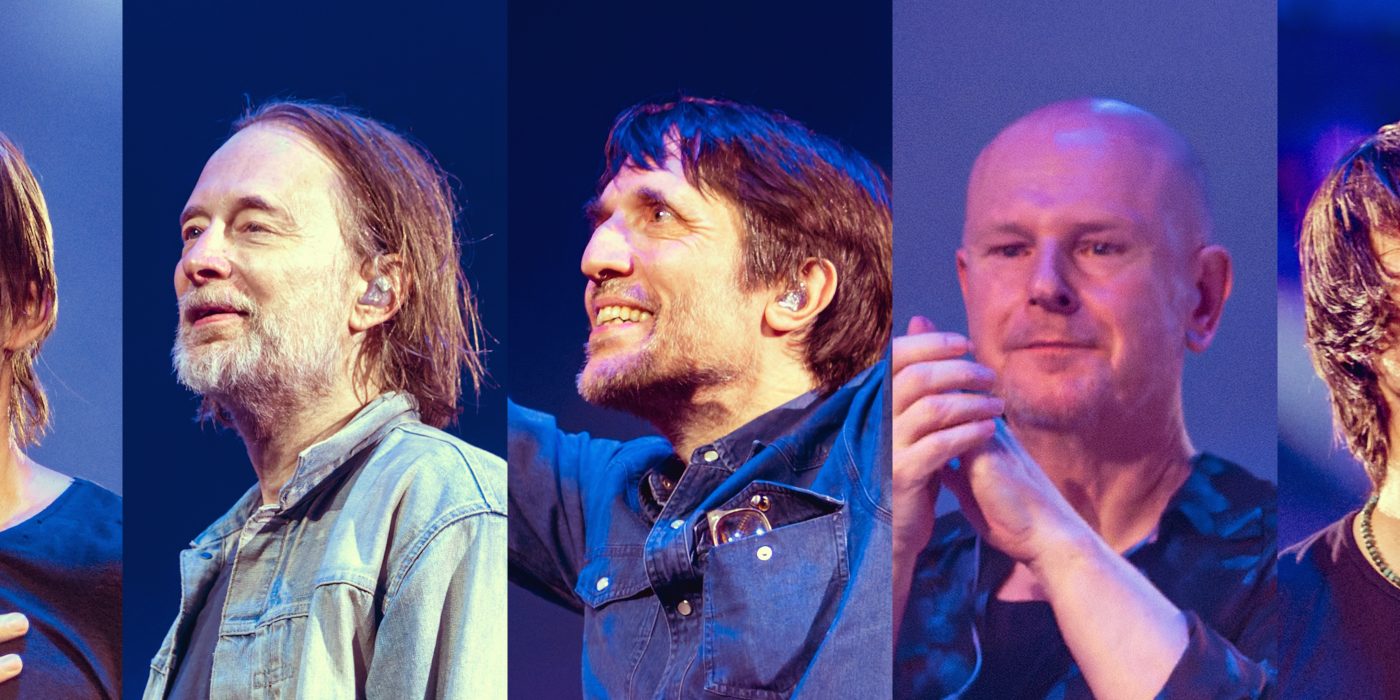
Ed O’Brien was done with Radiohead. He has said so now, plainly, in a new interview with Rolling Stone. By the end of the 2018 tour, he had stopped enjoying it. He felt they had run out of road, run out of inspiration, and he was genuinely relieved when it seemed like the whole thing might be over.
“I was done with Radiohead,” he said. “It had got to a place where I just wasn’t enjoying it. I just didn’t resonate with it anymore, and I wanted to do my own thing. I think we’d run out of road. We’d run out of inspiration.”
This is a striking thing to say about one of the most critically celebrated bands in rock history, and O’Brien’s candor about it is worth taking seriously, because it gets at something real about what it means to sustain a creative group over decades.
Radiohead spent most of the 2010s at a slow drift. The King of Limbs in 2011 was divisive and brief, more sketch than statement. A Moon Shaped Pool in 2016 was more warmly received, but it arrived amid reported tensions within the band, and the tour that followed felt, to O’Brien at least, like walking through something he had already finished. The 2018 dates were a long coda to a chapter that had effectively ended.
He went solo after that, releasing Earth in 2020 under the name EOB. The record was a deliberate departure: rave-influenced, hopeful, warmer in texture than almost anything in the Radiohead catalog. He described it at the time as something he had to do, saying a part of him would die if he didn’t. That is a specific kind of urgency, the kind you feel when you have been playing in someone else’s emotional register for long enough.
What makes the recent Radiohead reunion more interesting in light of all this is that O’Brien came back. The band did a run of UK and European shows in late 2025, including four nights at the O2 in London that were reviewed with genuine excitement, not as nostalgia events but as live performances that had real energy. O’Brien described the experience as emotional and profound, a reminder of what the band actually is when it is functioning.
“We’d look at one another on that stage, like, ‘This is amazing.’ I feel like I’m the luckiest person on the planet,” he said.
That reversal, from done to grateful, is not a contradiction. It is what happens when a band forces itself apart and then chooses, without any external pressure, to come back together. The distance gave O’Brien something to actually miss, and the return gave everyone a clearer sense of what Radiohead is when it is not being taken for granted.
He has also mentioned plans for the future: the band reportedly wants to play around 20 shows a year starting in 2027, working different continents each cycle. That is a sustainable, thoughtful approach to being a band again without becoming a nostalgia circuit. It is the kind of plan you make when you have genuinely reckoned with whether you want to continue, rather than coasting on momentum.
The Radiohead question has hung over indie rock for the better part of a decade. Are they done? Will they make another record? Does any of this matter anymore? O’Brien’s honesty about nearly walking away, and about what pulled him back, suggests that the band is at least operating with open eyes. They know what it cost to get here. They are not taking the reunion for granted.
That is probably the most interesting thing Radiohead could be right now.