 Into The Music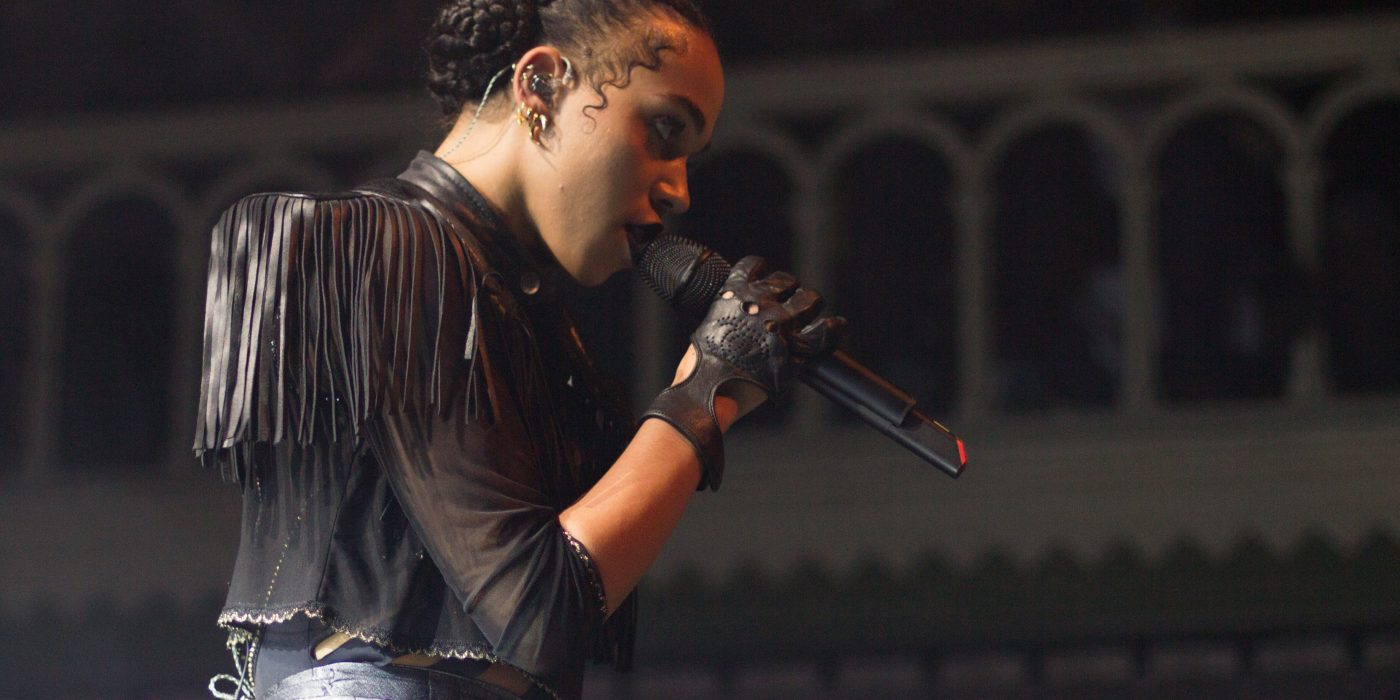
FKA twigs filed a new lawsuit against Shia LaBeouf this week, and the specific allegation cuts to something that does not get enough attention in the ongoing conversation about how power operates in the music and film industries. According to the filing, LaBeouf required her to sign a non-disclosure agreement during their relationship, and the lawsuit claims that NDA was itself illegal: that it was used not to protect legitimate business interests but to suppress her ability to speak about abuse.
This is not the first legal action between them. Twigs filed an initial lawsuit in 2020 alleging sexual battery, assault, and what she described as a pattern of coercive control. That case settled. The new lawsuit picks up a specific thread from that history and pulls on it: the NDA question.
The argument that NDAs can be weaponized against abuse survivors is not new, but it has been gaining legal traction. California passed legislation in 2022 limiting the enforceability of NDAs used to silence sexual misconduct claims. Several other states have followed with similar measures. The practical reality, though, is that these agreements are still deployed, and their effects, even when ultimately unenforceable, can include years of silence during which no accountability is possible.
Twigs has been more publicly vocal about her experience than most people in similar situations choose to be. She gave a lengthy interview to Elle in 2021 in which she described the relationship in detail and talked about why she initially said nothing. One reason she gave was the NDA. Another was the more familiar dynamic: she did not think people would believe her, and she was aware of his cultural profile at the time.
Her willingness to stay in the public eye on this topic, including through her art (her 2022 album Caprisongs and subsequent work have addressed it obliquely and directly), has made her a reference point for conversations about artist autonomy, abuse, and institutional protection. She is not a cautionary tale. She is an artist who has continued to make some of the most formally inventive music of the past decade while simultaneously fighting a legal and cultural battle that many people in her position would have quietly walked away from.
The industry context around this matters. Music and film have long used NDAs as a standard operating procedure, and the confidentiality they create often protects institutions and powerful individuals from accountability that would otherwise follow them professionally. When someone like LaBeouf, who had a long run of critical and commercial success, is the subject of allegations, the NDA functions as a moat. It is not just personal protection. It is a way of keeping the machinery running.
What the new lawsuit is trying to establish is that using an NDA to suppress the reporting of criminal behavior is itself actionable. That is the legal argument, and it is significant because it targets the mechanism rather than just the behavior. If courts begin ruling this way consistently, it changes the calculus for anyone considering whether to use that tool.
There is no certainty about how this proceeds. Legal timelines in cases like this stretch across years, and outcomes are rarely clean. But the act of filing, and of specifying the NDA as a target, puts language and legal framing around something that has operated mostly in silence. That is not nothing. In fact, it might be the most important thing.