Into The Music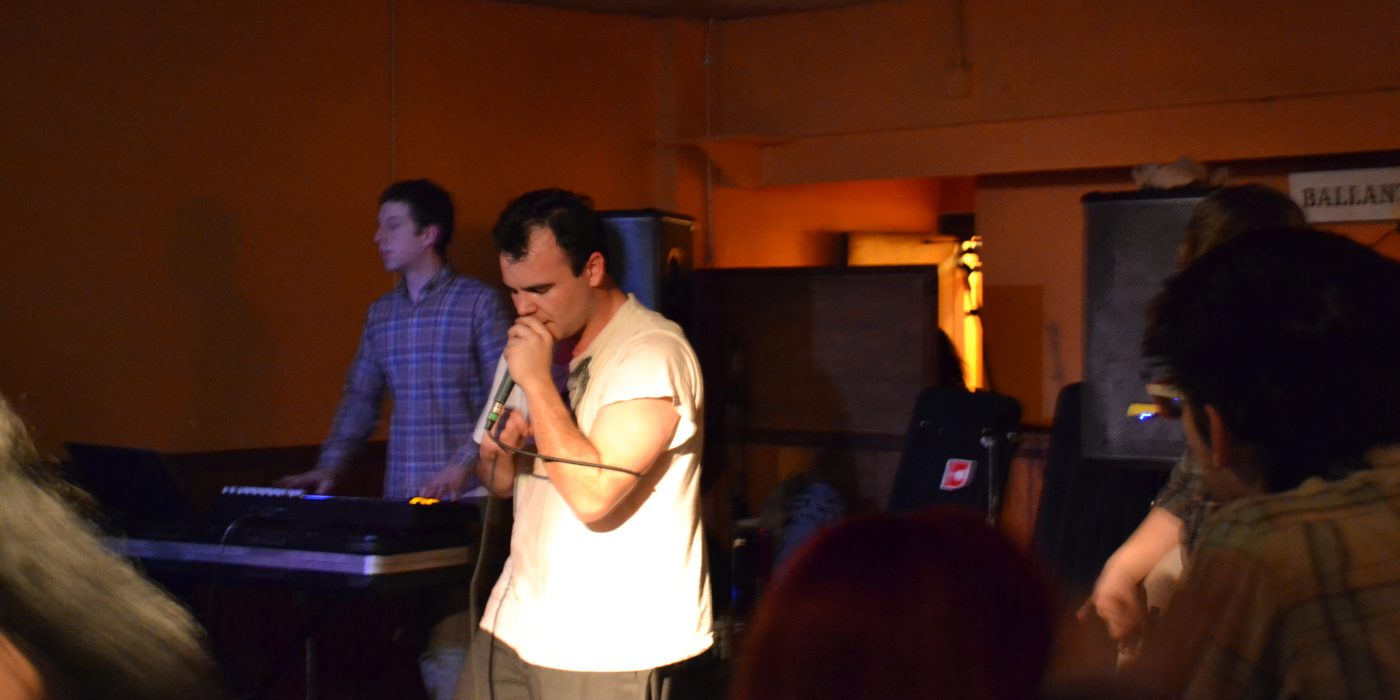
Future Islands announced a tour this week. The tour is of North Carolina. Only North Carolina. Ten dates in ten cities, every city in the state, booked with the care of a band doing something specific and deliberate rather than something commercial. It is exactly the kind of move that makes Future Islands interesting to watch, and it is worth understanding why a band at their level does something like this rather than playing the same mid-size venues in the same coastal cities they always play.
Future Islands formed in Baltimore after beginning in Greenville, North Carolina, and the state has meant something to them since the start. Samuel Herring grew up in North Carolina. The band spent years playing small venues in the South before Baltimore adopted them and before Letterman, in 2014, turned a single performance of “Seasons” into a cultural event that permanently altered their trajectory. The “Seasons” moment is genuinely one of the stranger things to happen on late night television. Herring’s performance was unhinged in the precise way that great rock performance is supposed to be unhinged, and the internet moved fast enough that by the next morning the band had become something they had never been before.
What happened after is instructive. They did not chase the moment. They kept making the same kind of synth-heavy post-punk they had always made, kept touring at the same intensity, kept treating every show as if the stakes were total. The audience grew without the band changing shape to accommodate it. Singles came out. Albums followed. The quality remained consistent in a way that feels almost perverse in an era that rewards reinvention.
The North Carolina tour is a homecoming in the truest sense. It is a band saying, clearly: here is where we came from, and we are not performing nostalgia, we are acknowledging debt. The ten cities they are playing are not all major markets. Some of them are college towns. Some of them are smaller. The point is coverage: that a band with their reach can move through a place that made them and do it properly, not as a single show in Charlotte or Raleigh but as a full sweep.
There is also something being said about regional specificity. Future Islands is a band that makes music about grief and loss and time, about the accumulation of feeling that happens when you stay alive long enough. Herring’s performance style, which involves something close to physical commitment to every word, works best in spaces where the room can feel him working. A mid-size club in Asheville or Wilmington is the right scale for what they do. The arenas would dilute it.
The broader lesson, if there is one, is that longevity in music rarely comes from chasing scale. Future Islands spent years in the margins before “Seasons” found them. They kept working. The work mattered because it had something to say. The North Carolina tour is not a stunt or a promotional campaign. It is a band that has been at this for twenty years going back to the place that started it and doing it right. That is a harder thing to sustain than it looks.
If you are anywhere near North Carolina in the coming months, this is worth going to. Future Islands in a small room is one of the better live music experiences available right now. Herring will give everything. The band will hold the structure. The room will feel it.