 Into The Music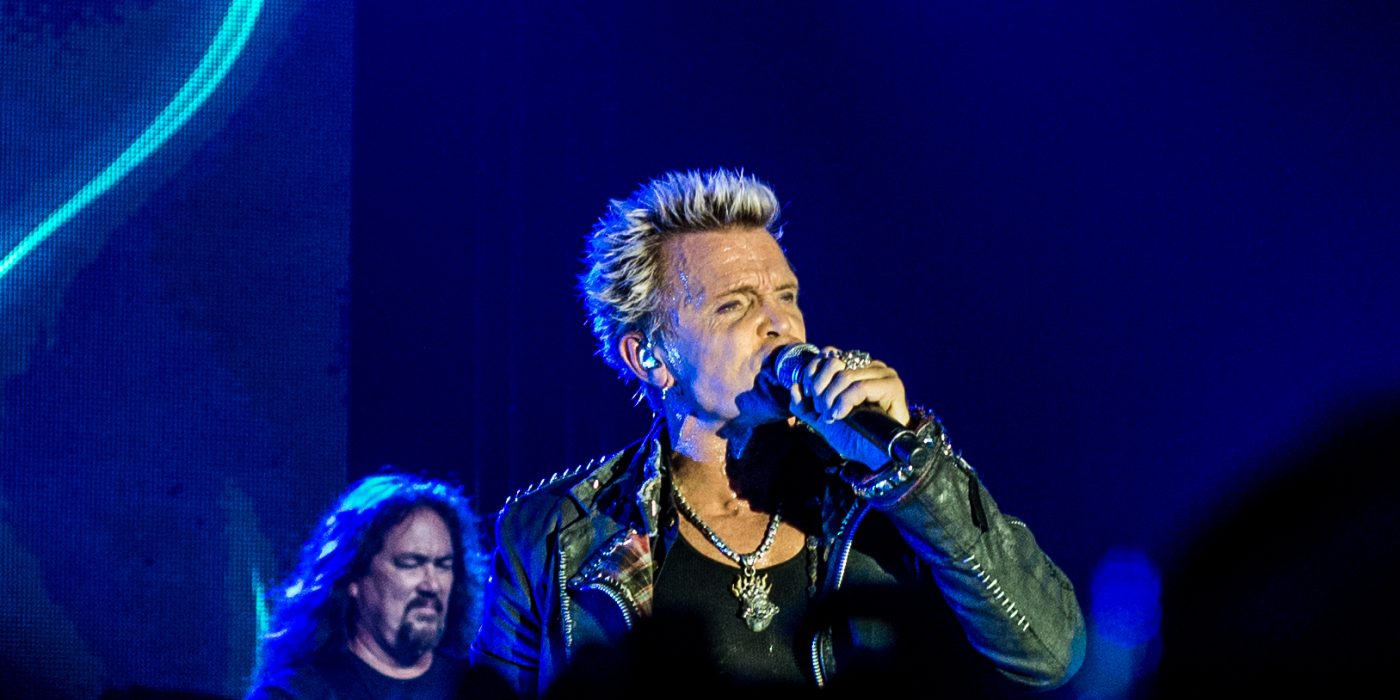
Pitchfork is running their Sunday Rites treatment on the 1978 Generation X debut this week, and it’s a good occasion to think about an album that has been systematically undervalued for almost fifty years. Not because it’s obscure, because it isn’t: Billy Idol’s subsequent solo career made sure of that. But Generation X as a band, and that self-titled debut specifically, tends to get absorbed into the general sweep of British punk history in a way that flattens what was actually happening on that record.
The punk context is unavoidable, because the band came out of that scene. Billy Idol, born William Broad, formed Generation X in 1976 with guitarist Tony James, and they were quickly folded into the same narrative as the Sex Pistols, The Clash, and the Buzzcocks. They shared stages, shared cultural anxieties, and shared a British music press that was hungry for anything with spiky hair and a sneer. The difference was that Generation X were always more interested in pop hooks than any of their contemporaries were willing to admit.
The 1978 debut is where you can hear that tension most clearly. Songs like “Your Generation,” the album’s lead single and an obvious answer to The Who’s “My Generation,” sound like punk by the conventional metrics: fast, loud, aggressive. But the production, courtesy of Phil Wainman, pulls toward a cleaner, more radio-ready sound than something like the Pistols’ Never Mind the Bollocks would ever have aimed for. Idol’s vocals are melodic in a way that pure punk really wasn’t. Tony James’s bass lines have hooks. The songs themselves are constructed like pop songs, with choruses that want to be remembered.
This made Generation X deeply uncool to the punk purists of the era. They were accused of being too commercial, too pretty, too much interested in success to be really committed to the movement’s confrontational spirit. Looking back, that criticism reveals more about the orthodoxies of 1977 and 1978 punk than it does about the actual quality of the music. The idea that pop ambition was somehow a betrayal of political or artistic seriousness was always more ideological posture than coherent argument.
What the debut actually did was chart a path that became enormously influential, even if the influence was rarely credited directly. The synthesis of punk energy and pop construction that Generation X were working toward in 1978 showed up in new wave, in post-punk, in the synth-pop that followed, and eventually in the mainstream pop-punk wave of the 1990s and early 2000s. You can hear it in bands that probably never listened to “Ready Steady Go” or “Wild Youth.” The sound spread through the water, as musical DNA tends to do.
Idol himself moved away from it quickly. By the early 1980s he was in New York, working with producer Keith Forsey, and the solo records were leaning fully into the kind of rock that could fill arenas. “White Wedding” and “Rebel Yell” were different animals than anything on that 1978 debut. The commercial instincts that had made Generation X critics of the punk scene ended up taking Idol somewhere larger and, by some measures, more successful. Whether those records are better is a different conversation.
But the debut album holds up in ways that the solo work doesn’t always. It captures a specific moment of collision between an ending and a beginning, between the confrontational nihilism that punk had articulated and the impulse toward melody and structure that was about to reshape British rock. Generation X weren’t punk’s sellouts. They were its most honest harbingers. They just had the bad timing to be right about where things were going before anyone was ready to admit it.