 Into The Music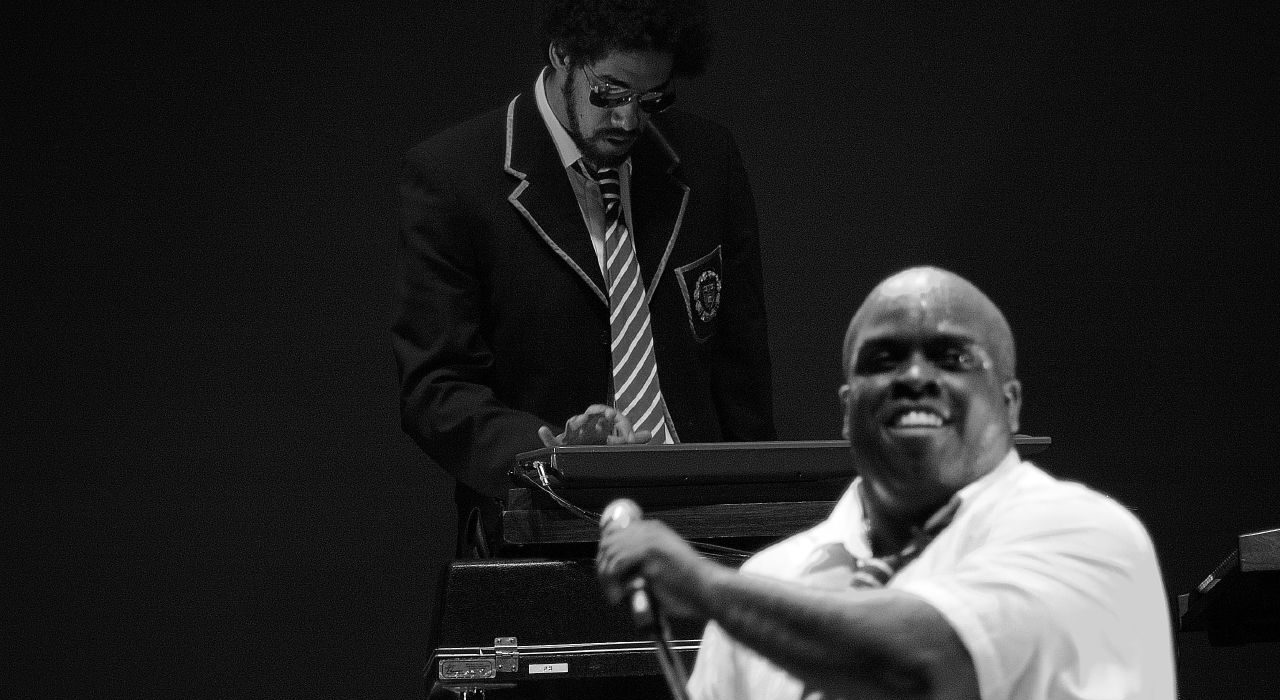
Eighteen years is a long time to wait for a record. Eighteen years is long enough that the culture that produced the last one has been rebuilt around different materials. Eighteen years is long enough that the two people who made the first two records have each become someone else, separately, and that reunion carries a specific weight: the question of whether the thing that existed between them is still there, or whether what you’re getting is a memory of a thing.
Gnarls Barkley answered that question in March with Atlanta, their third album and, they’ve said, their last. The answer, mostly, is that the thing is still there. It’s just different now. Everything is.
What Gnarls Barkley Was
The quick version: CeeLo Green and Brian Burton, known as Danger Mouse, formed Gnarls Barkley as a side project in 2003. St. Elsewhere came out in 2006 and made them famous overnight on the strength of Crazy, which is probably still the most ubiquitous pop song of the decade. The Odd Couple followed in 2008. Then the project went quiet, both artists built parallel careers, and Gnarls Barkley became one of those partnerships people assumed had quietly dissolved.
What they actually were, as a creative unit, was harder to categorize. The music was not clearly any one thing. St. Elsewhere sampled Bernard Herrmann and Curtis Mayfield and threw gospel and funk and electronic production into a space that sounded genuinely new. Crazy was a psych-soul song carried by CeeLo’s voice and Burton’s ability to frame it. The Odd Couple was darker and weirder and less successful commercially, which is not the same as being worse. Together, the albums described a creative relationship that was more interesting than the radio hit suggested.
What Atlanta Is
Atlanta is a love letter, and they’ve said so explicitly. It is a record about the city that made them both, and that specificity does something interesting to the music. Where the earlier albums were built around abstraction and genre promiscuity, Atlanta has a subject, and subjects create warmth even when the music is doing something strange.
The lead single, Pictures, is CeeLo describing riding Atlanta’s MARTA train as a teenager, watching people and imagining their stories. It is a small, specific image and it opens up into something larger. Burton frames it with production that feels nostalgic without being sentimental, warm without going soft. That balance is what the whole album tries to maintain, and it mostly succeeds.
The music on Atlanta is more settled than either of the previous records. Burton’s production has the confidence of someone who has been doing this for twenty years and has nothing left to prove in terms of technical range. CeeLo sounds like a man returning to something, which is exactly what he is. His voice has changed, and the record accounts for that without apologizing for it. The soul influence that was always present in his work is more prominent here, and it fits.
Not every track lands equally. There are moments where the sentimentality tips over into something too easy, where the home-city theme becomes a little generic. But those moments are outnumbered by ones where the specificity of the concept gives the music a gravity it earns.
Why a Final Album Is Different
The framing of Atlanta as a final record changes how you hear it. That framing is theirs, not a business decision, not a label call. They made this record knowing it was the last one, and that shapes it. The farewell is built in, and it makes the record feel like something being completed rather than something being continued.
There is a tradition of this in music, artists who understand that closure is a form, that ending deliberately is a different act than just stopping. Gnarls Barkley announcing that Atlanta is their last record and then making a record that sounds like a last record is not a small thing. It suggests that what they built between them was real enough to deserve a proper ending, and that they respected it enough to give it one.
What Crazy did was make Gnarls Barkley a phenomenon. What Atlanta does is make them a complete story. Those are different kinds of value, and the second one is harder to achieve. A lot of artists who start as phenomena don’t manage to become complete stories. They just stop.
Gnarls Barkley chose not to just stop. Atlanta is the evidence. Whatever else you say about it, the record exists, and it was made with intention, and the intention is legible in every song. That’s more than most reunions manage, and more than most endings do.