 Into The Music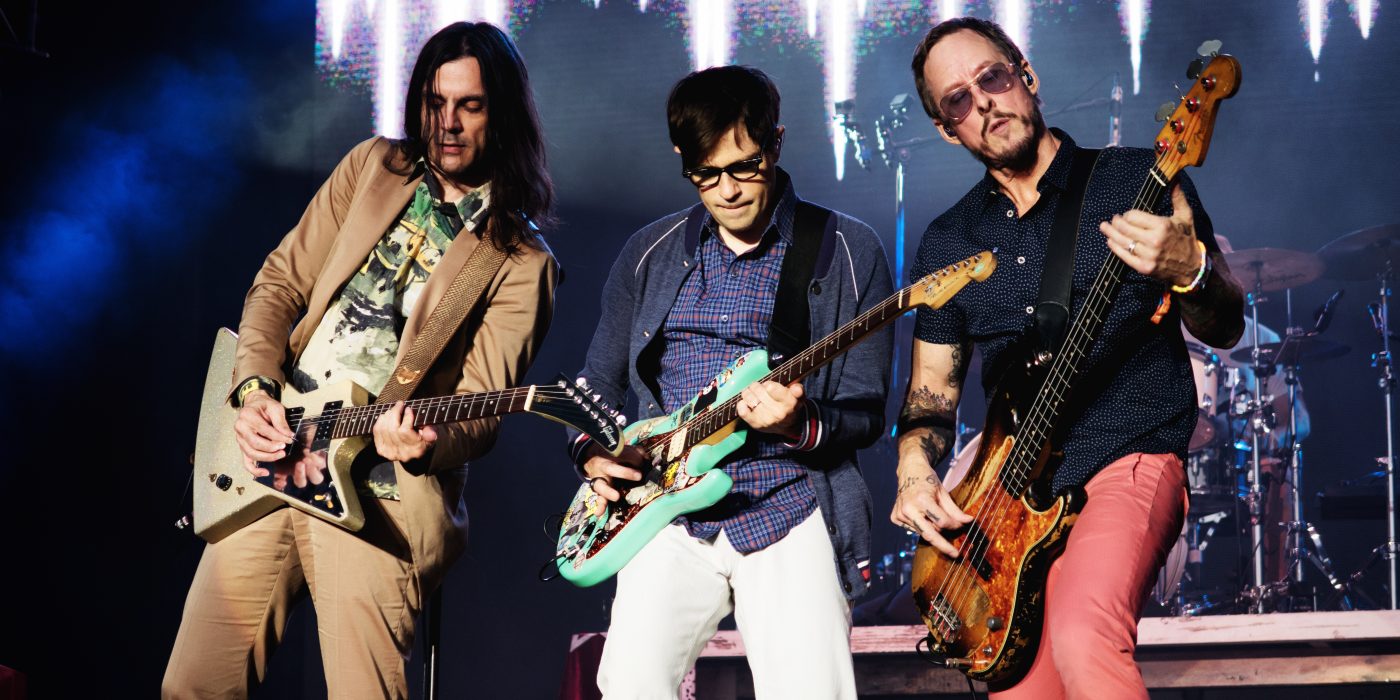
When Weezer announced their 2026 North American tour, officially called The Gathering, the thing that caught attention was not the tour itself. It was the supporting acts. The Shins and Silversun Pickups. Three bands who spent the early 2000s being described as indie, or alternative, or whatever word was in use at the time to mean “not quite arena rock,” now filling arenas together on a 32-date run.
There is something worth examining in that combination. These are not legacy acts riding nostalgia to paychecks. Or rather, they are that, but they are also something else, bands that accumulated audiences over decades of consistent work and eventually found themselves with the kind of following that makes a September arena tour in Sacramento make financial sense. The question is how that happened, and what it means for how we think about the geography of success in rock music.
The category of “indie” has never been stable. In the 1990s it meant something structural: independent record labels, distribution outside the major label system, a certain implied opposition to commercial ambition. By the time Weezer was releasing Pinkerton in 1996, those lines were already blurring. The Blue Album before it had sold three million copies in the US. Pinkerton tanked by comparison and was written off as a failure. Reissued and reappraised, it became the record that defined a certain kind of emotionally raw rock that subsequent generations of musicians spent years trying to recreate.
The Shins took a different path. Chutes Too Narrow in 2003 sold steadily rather than explosively, and the band built something unusual in indie music: a fanbase that deepened over time rather than peaking and fading. Wincing the Night Away in 2007 went gold. Port of Morrow in 2012 charted in the top 20. None of these were crossover moments in the conventional sense, but cumulatively they added up to the kind of career that lands you on a Weezer tour in 2026 rather than on a nostalgia circuit playing smaller rooms.
Silversun Pickups occupy slightly different territory. Their sound was always closer to the arena than the basement, with production that suggested ambition, guitars that leaned into the bombastic, and a vocalist in Brian Aubert who projected big. Their trajectory from Carnavas in 2006 through Swoon and onward was steady, and the band has maintained a fanbase that is devoted rather than merely nostalgic.
What the Weezer Gathering tour represents is the logical endpoint of a long cultural shift. The boundary between indie and mainstream rock collapsed some years ago and nobody bothered to hold a funeral. What replaced it was something more honest: the understanding that audiences do not care about the structural status of a record label. They care about whether they like the music and whether the music still means something to them.
Bands that survived the transition from small rooms to arenas did so by making that journey feel earned rather than sold. The Shins did not change their sound to get there. Weezer made bad albums and survived them by having made enough indispensable ones before. Silversun Pickups stayed in the conversation by refusing to disappear. Together they are evidence of what a sustainable rock career actually looks like in 2026: slow, unglamorous, and real.
The question worth asking is whether this model is available to bands coming up now, or whether the economics of streaming have made it impossible to accumulate the kind of audience that takes fifteen years to build. The early signs are not encouraging. But the fact that The Gathering exists, and will sell out most of its 32 dates, suggests that the audience for this kind of rock music is still there. It just takes longer to find it than anyone wants to admit.