 Into The Music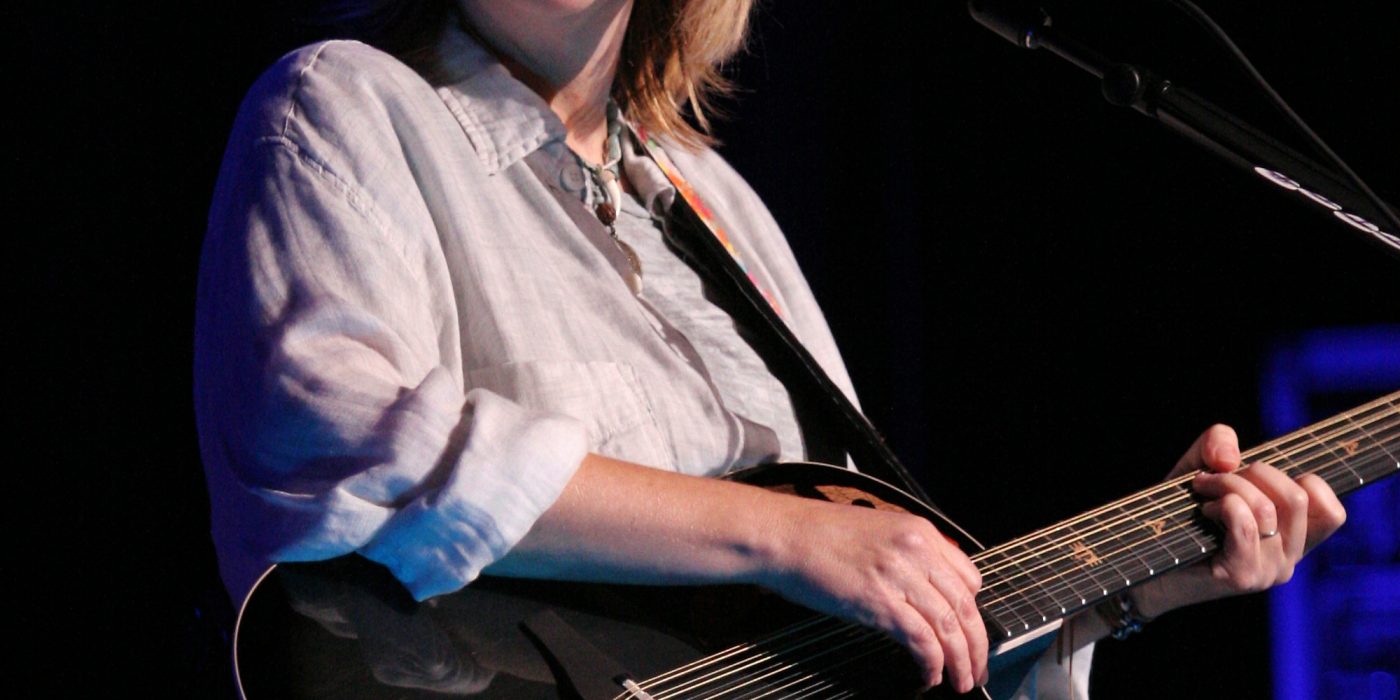
Melissa Etheridge has always made music from inside the wound. It is one of the things that made her so compelling in the early nineties, when she arrived with a voice that sounded like it was already in pain and did not apologize for that. The distance between then and now includes a breast cancer diagnosis, a contentious split, a lawsuit, and in 2020, the death of her son Beckett from a fentanyl overdose. Rise, released this month, is the record that came after all of it.
What is striking about Rise is not that it is a grief record. It is that it is not, exactly. Etheridge has been publicly vocal about Beckett’s death, about the politics of the opioid crisis, about her own survival. The album absorbs all of that but does not present itself as a document of trauma. It sounds more like what comes after you have processed enough to stand up and look forward. Which is a harder thing to make than a grief record, because it requires a kind of earned optimism, and earned optimism is almost impossible to fake.
This gets at something worth taking seriously about how some artists function. Etheridge has never seemed like someone who makes music to process her feelings in private. She makes music to make feelings public, to offer them outward, to find the listener who needs to hear that someone else has been there. The economy of this kind of music is different from confessional art that keeps the audience at arm’s length through cleverness or abstraction. Etheridge’s mode has always been direct transmission. Here is what happened. Here is what I feel. Here is what I chose to do with it.
That approach requires a certain kind of courage, and it also requires a certain kind of craft. Because directness without skill collapses into sentiment, and Etheridge has always understood the difference. The best moments on Rise earn the big gestures by grounding them in specific detail. Grief is not generalized here. It is particular, named, placed in a body and a moment.
There is a broader conversation worth having about what we ask of artists who survive catastrophe. The tendency is to turn their output into testimony, to read their work primarily as evidence of endurance rather than as art. Etheridge is not immune to this dynamic. But Rise is actually a stronger record than that frame allows. It is not only a survival narrative. It is also a statement of purpose from a songwriter who still has things to say about how to live in a world that breaks people, and how to come back from that with something useful.
She has been doing this for more than thirty years. The voice has changed, carrying more weight now, which in context only makes it more persuasive. The craft has deepened. The willingness to go directly at the hardest material has not wavered. After everything, that is the most remarkable thing about Melissa Etheridge: she keeps showing up, and she keeps meaning it.